
Guide
Worldbuilding: how to build a world for a story, part by part
Worldbuilding is the work of inventing a setting that holds together: its land, its past, its peoples and what they believe. Below are the parts of a world, two ways to start and a set of questions, each with a premise to play.
Play a story like this
Ready stories from the library. The first scene opens right away, no account needed.
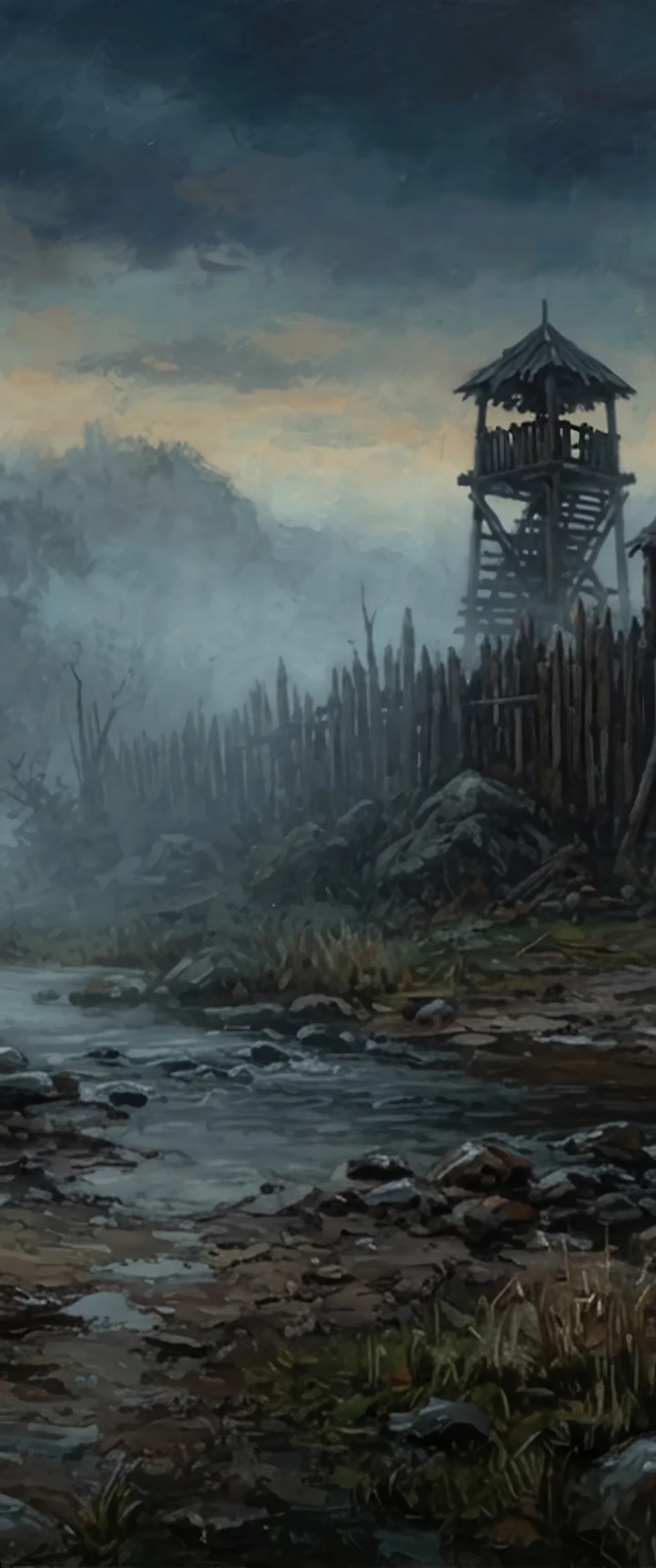
- Fantasy romance The Ash GateThe north road burned, the gate was opened from inside, and the warden has not slept in nine nights.
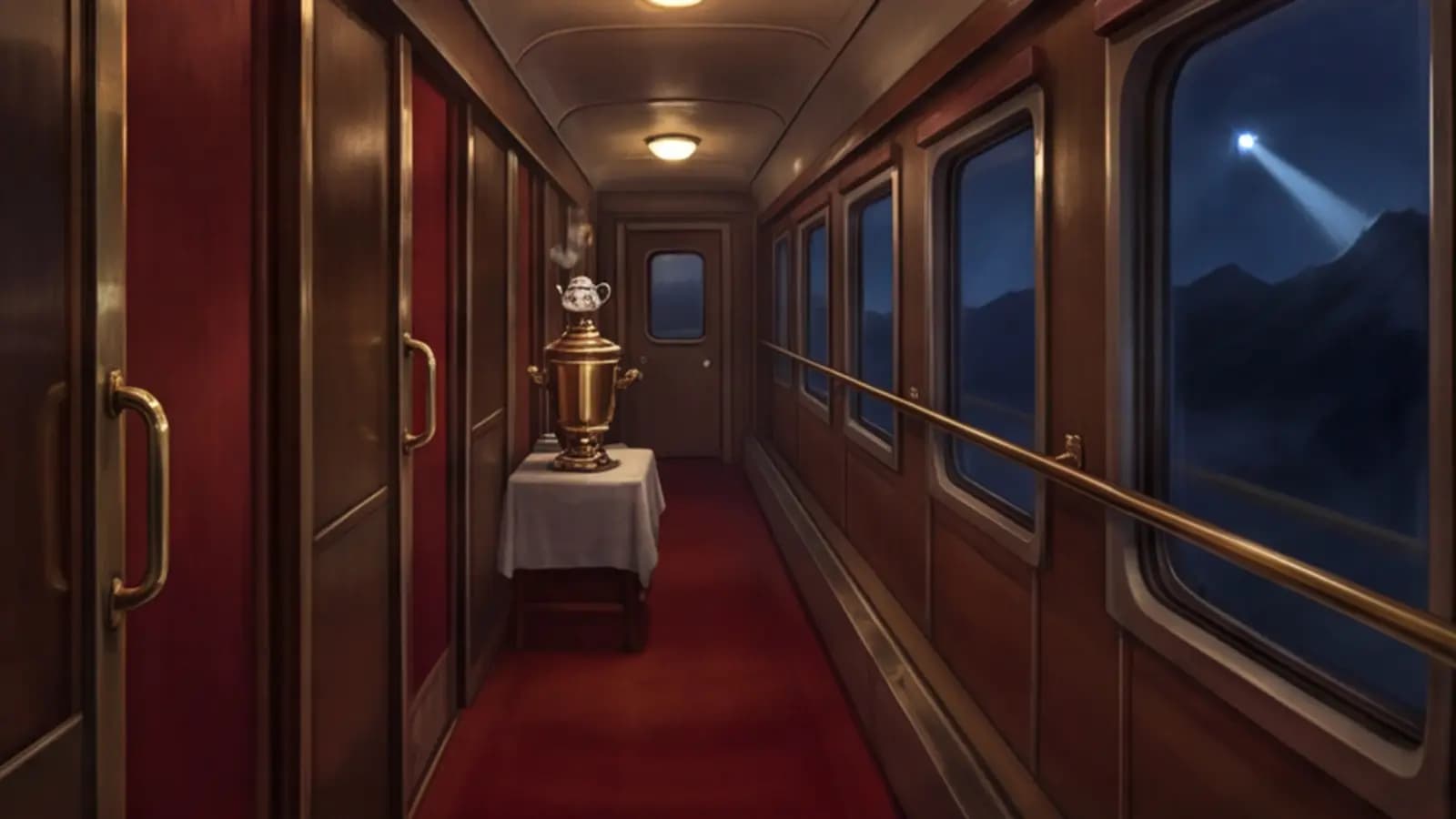
- Thriller The Night Train to BakuAn hour out of Tbilisi, a pipeline auditor lies dead in compartment four.
- Space opera Icarus CupA solar-sail race dives past the Sun once every eleven years.

The parts of a world
The land and its map
A map is often the first thing drawn. Mountains decide where roads run, rivers decide where cities stand, and distance decides how long news takes to travel.
Play: The Ash GatePlay this storyHistory
Past wars, treaties and betrayals between peoples drive what happens now. A world without a past has nothing for its characters to argue about.
Play: The Sutler of KitzbrunnPlay this storyPeoples and cultures
Who lives where, how they dress, eat, marry and bury their dead. Many worlds borrow the shape of a real past society and then change it.
Play: Icarus CupPlay this storyLanguages
Invented languages, or conlangs, give peoples a voice of their own. Even a handful of words, names and greetings can tell two cultures apart.
Play: The Ash GatePlay this storyBelief and the order of things
Gods, creation myths, taboos and what happens after death. Belief tells characters what is forbidden, and a story often begins when someone breaks it.
Play: The Memory of RomePlay this storyLiving things
Climate and land set what grows and what hunts. A strange creature or crop changes how people farm, fight and travel.
Play: Icarus CupPlay this storyTrade and money
What a place has, what it lacks and who controls the roads between. Currencies and trade routes explain why a small port can be worth a war.
Play: The Ash GatePlay this story
Two ways to build
Top-down
The work begins with the whole: the planet or continent, its climate, its peoples and its history, and only then narrows to nations, cities and towns. The result fits together well but takes a long time before a story can use it.
Play: His Lordship Is UnwellPlay this storyBottom-up
The work begins with the one village or street the story needs, and the lands around it are sketched more loosely. It is ready at once, but details may contradict each other later.
Play: The FracturePlay this story
Worldbuilding questions
Who is allowed to carry a weapon?
The answer shows who holds power and who is afraid. A world where only priests may be armed is a different place from one where every farmer keeps a sword.
Play: The Truthful InkPlay this storyWhat does everyone know and nobody says?
Every society has a shared silence. It gives a story a secret that is not hidden at all, only unspoken.
Play: The Night Train to BakuPlay this storyWhat happened here a hundred years ago?
One old event explains a ruin, a grudge, a holiday and a law. It is the cheapest way to give a place depth.
Play: Never Say Thank YouPlay this storyWhat is scarce?
Water, salt, iron, magic or trust. Whatever is rare sets prices, starts wars and tempts honest people.
Play: The Butcher’s HostagePlay this storyWho is on the outside?
Exiles, outcasts and foreigners see the rules that insiders take for granted. Through their eyes the world has to explain itself.
Play: Three Tons of HeartburnPlay this story
What worldbuilding is
Worldbuilding is the process of constructing an imaginary world with its own history, geography, culture and ecology. It belongs mostly to speculative fiction, and the world can be as large as a galaxy or as small as one village.
The word “world-building” appeared in the Edinburgh Review as early as 1820. Science fiction and fantasy criticism has used it since 1974.
Worlds that came before the stories
J. R. R. Tolkien wrote about it in his essay “On Fairy-Stories,” where he called the invented world a “Secondary World” and its making “Sub-creation.” He framed Middle-earth with narrators and versions of tales, so it reads like a real mythology.
William Morris is described as the first writer to create the entire world of his story. M. A. R. Barker designed his world of Tékumel well before role-playing games existed.
How to build a world for a story
A world serves the story, not the other way round. The parts that matter most are the ones the characters run into: the law that stops them, the border they must cross, the belief they offend.
Every rule needs a cost and a consequence. If magic exists, someone profits from it and someone suffers; the guide to the magic system covers that part in depth.
Names carry a lot of the work. A fantasy world name and a few place names can suggest a whole culture before it is explained.
A world built from one line
On PlayAIStories one line with a premise is enough to start. The game builds the setting and the cast and shows them before the first scene, where names, roles and tempers can be changed.
The world then grows through play. The story keeps a record of what happened, so a law broken in the first chapter can bring the guards in the third.
Each scene ends with several choices and a field for a move of one’s own, and risky moves are settled by a die.