
Guide
Imagines: the short fan fiction form that puts the reader inside
Imagines are short pieces of fan fiction that place the reader inside a scene beside a favourite character. They are written in the second person and often open with the word “Imagine”. This guide describes the parts of the form, its moods and premises that can be played as stories.
Play a story like this
Ready stories from the library. The first scene opens right away, no account needed.
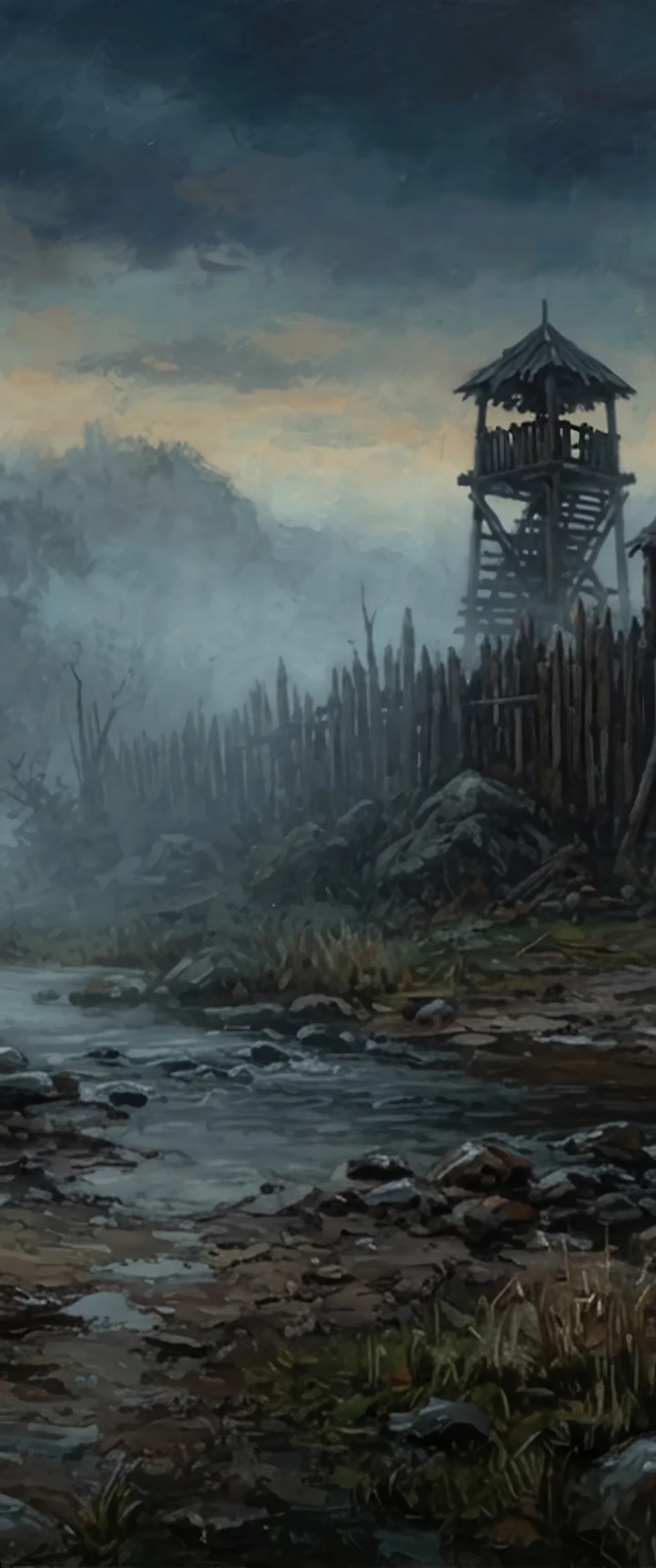
- Fantasy romance The Ash GateThe north road burned, the gate was opened from inside, and the warden has not slept in nine nights.
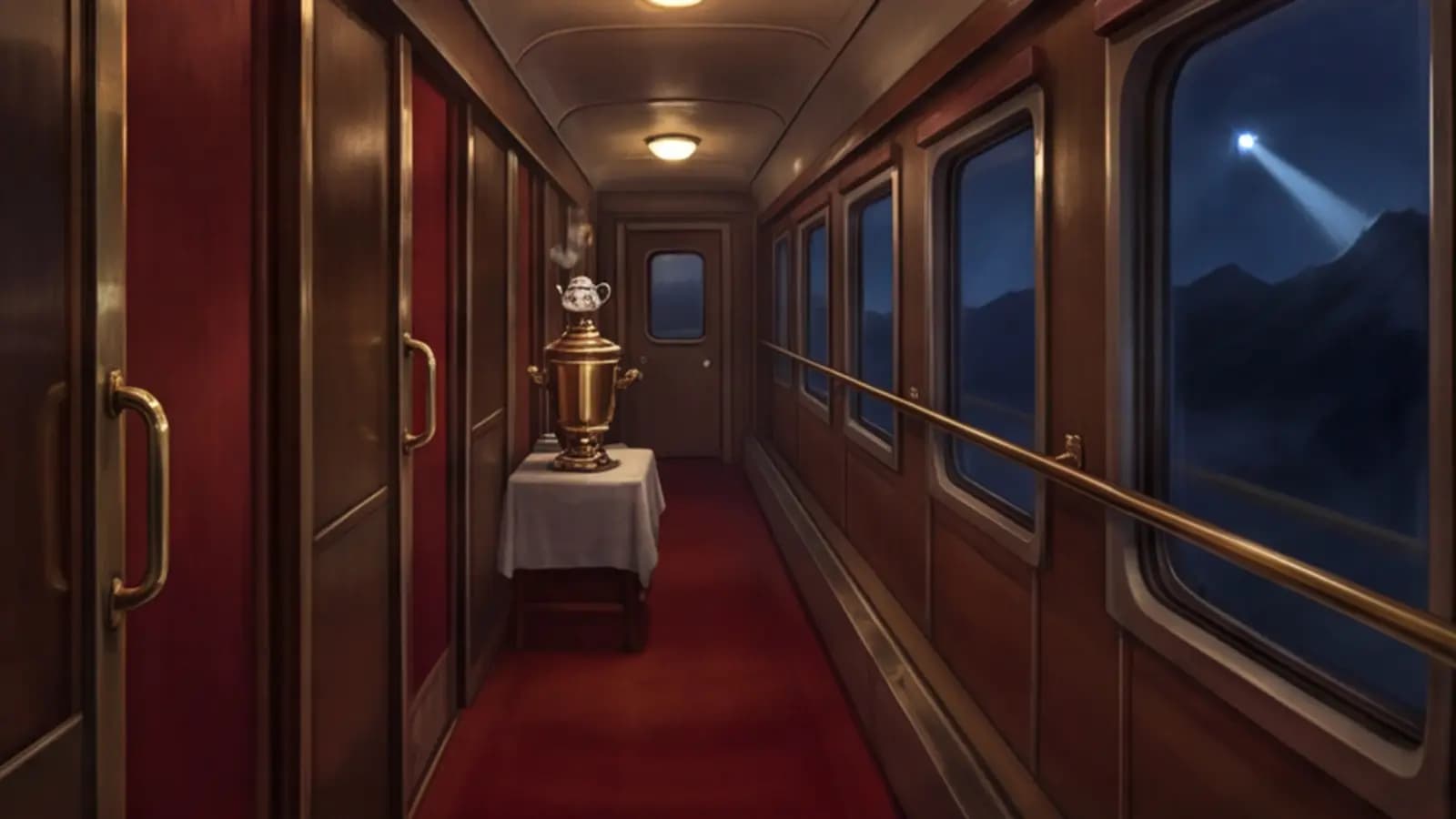
- Thriller The Night Train to BakuAn hour out of Tbilisi, a pipeline auditor lies dead in compartment four.
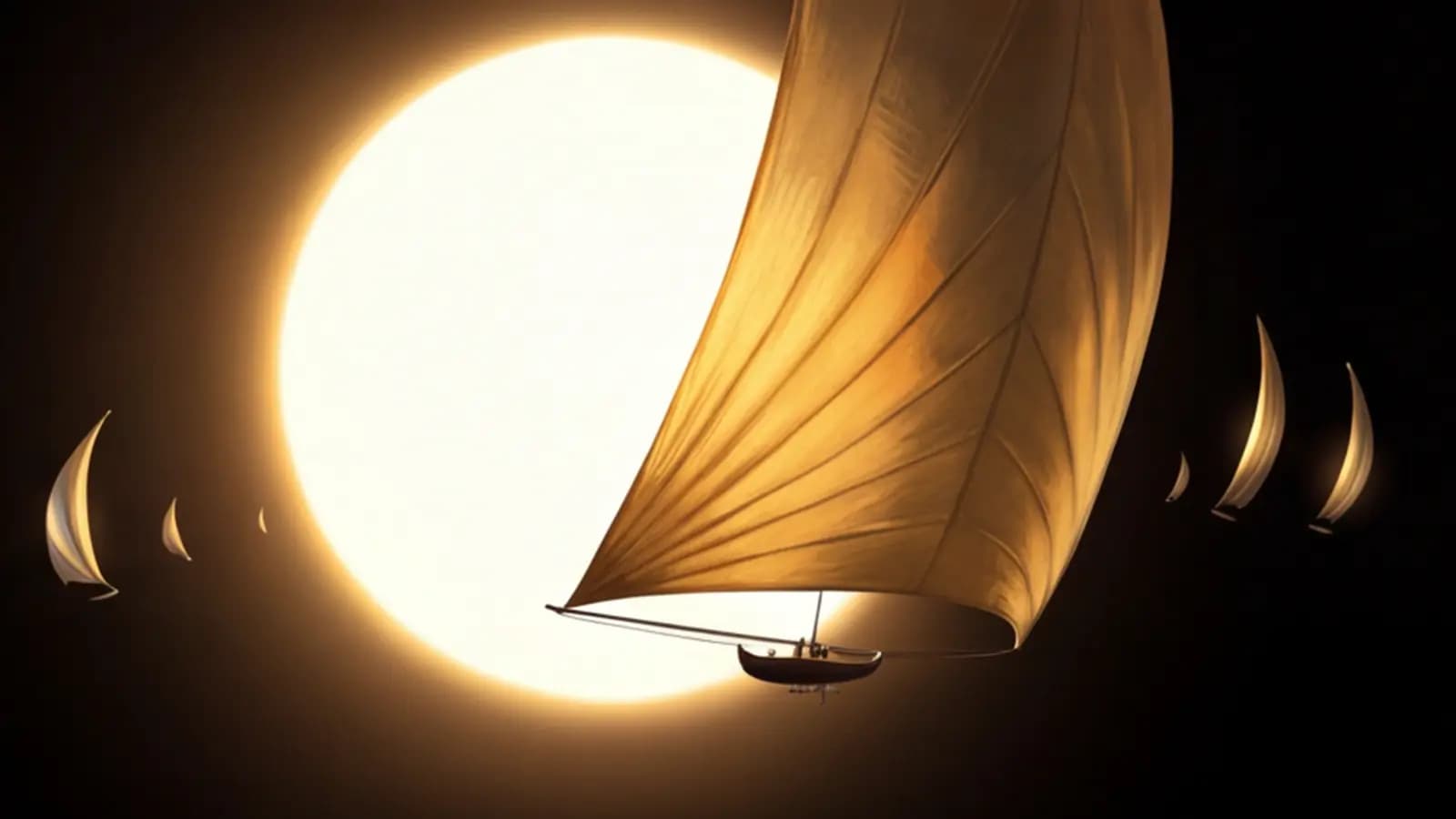
- Space opera Icarus CupA solar-sail race dives past the Sun once every eleven years.
Parts of the form
The “Imagine” opening
Many imagines begin with that one word and a single situation: a rainy evening, a missed train, a quarrel and a reunion. The scene is set in a line.
Play: The Ash GatePlay this storyThe placeholder name
Y/N marks the place where the reader’s own name goes. Fans use similar marks for other details, such as e/n for an enemy’s name and f/c for a favourite colour.
Play: The Truthful InkPlay this storyThe canon character
The other person in the scene comes from a book, a series or a game the writer and readers love. The piece imagines how that character would act toward someone new.
Play: Promised to the SaltPlay this storyThe request
Readers send writers ideas, and the writer picks some to answer. A blog of imagines is often a running conversation between the two.
Play: The FracturePlay this storyThe blurb
A piece of a few paragraphs or less: one moment, no full plot. Imagines are short by design, much shorter than a one-shot.
Play: The Night Train to BakuPlay this storyThe personal
An imagine written for one requester, with their own details woven in. Fanlore notes that personals are usually written in the second person too.
Play: Icarus CupPlay this story
Moods of an imagine
Fluff
Warm, safe and light: comfort, small kindnesses, a shared joke. Nothing bad happens, and that is the point.
Play: Never Say Thank YouPlay this storyAngst
Sadness, longing or a parting. The scene hurts on purpose, and readers come for that ache.
Play: The Sutler of KitzbrunnPlay this storyHurt and comfort
One character is hurt in body or spirit and the other looks after them. The care is the story.
Play: The Butcher’s HostagePlay this storyAdventure
The reader’s stand-in is pulled into the character’s world: a mission, a chase, a quest for one night.
Play: The Ville de BrestPlay this storyFound family
A group takes in the newcomer. Belonging, not romance, is the warmth of the piece.
Play: White Nights on SaimaaPlay this story
What imagines are
Imagines are a kind of reader-insert fan fiction: short “imagine if” scenarios that pair the reader with a character from a beloved story. They are written in the second person, so the reader stands in the hero’s place.
The fan wiki Fanlore traces the form to Tumblr, where it seems to have spread in the early 2010s. The Y/N placeholder became common in imagines on Tumblr, Wattpad and Twitter.
Why the form is so short
An imagine is built around one feeling rather than one plot. A few paragraphs are enough to reach the moment of comfort, the confession or the goodbye, and the reader finishes the rest.
The shortness also suits requests. A writer can answer several readers a day, and readers can find the exact scene they wished for.
From an imagine to a played story
An imagine tells the reader what happens. A played story turns that around: the hero acts on the player’s choices, and the scene goes where those choices lead.
On PlayAIStories one line with a premise is enough to start. The cast is shown before the first scene, where names, roles and tempers can be changed. Each scene ends with several choices or a move written freely.
Romance is welcome, but explicit scenes are not written.