
Guide
Dystopian worlds: the main kinds of setting and a story idea for each
A dystopian world is a society built to look orderly, or even happy, while it crushes the people inside it. The kinds below differ in who holds control and how, and each comes with a premise to play.
Play a story like this
Ready stories from the library. The first scene opens right away, no account needed.
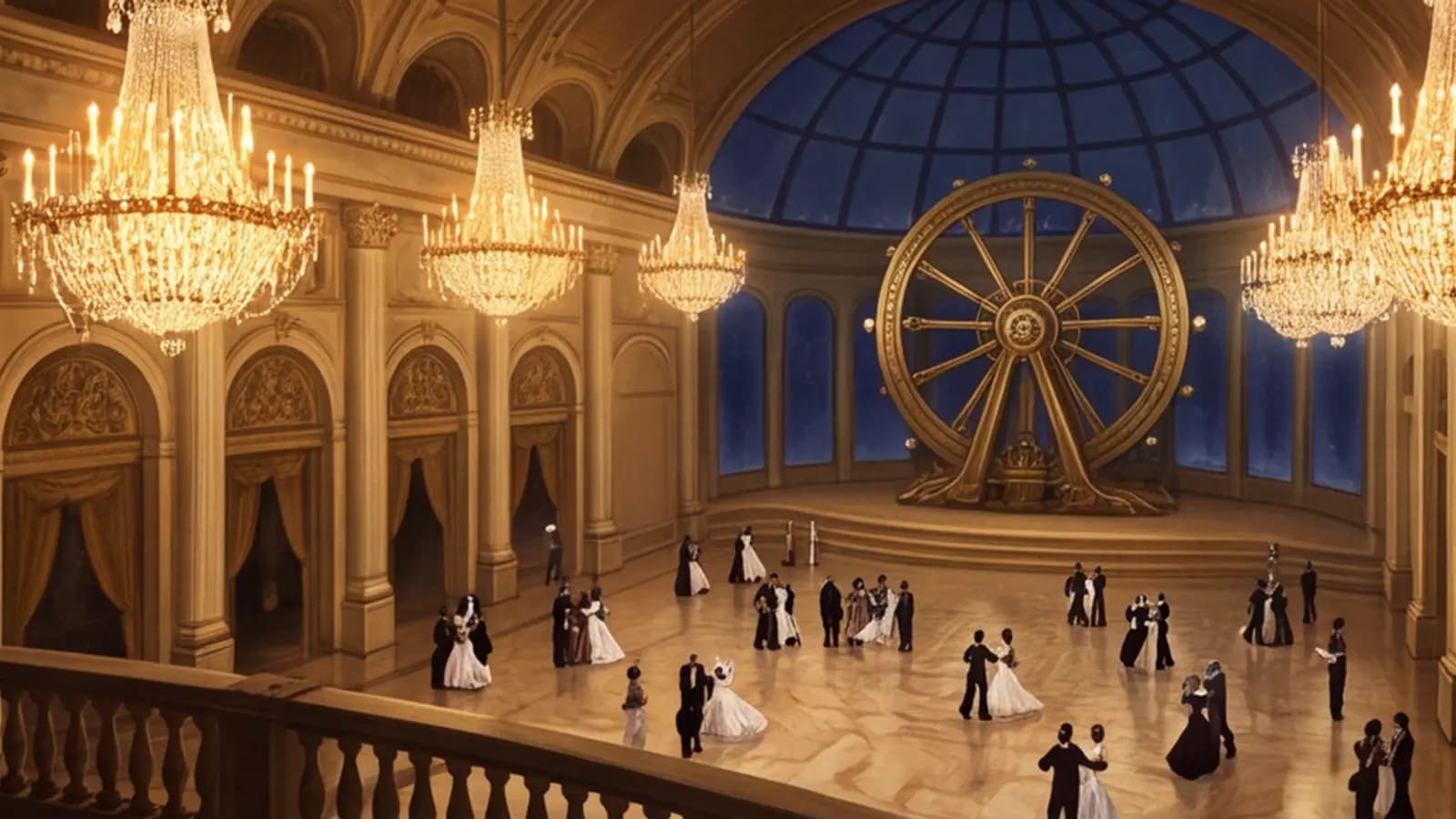
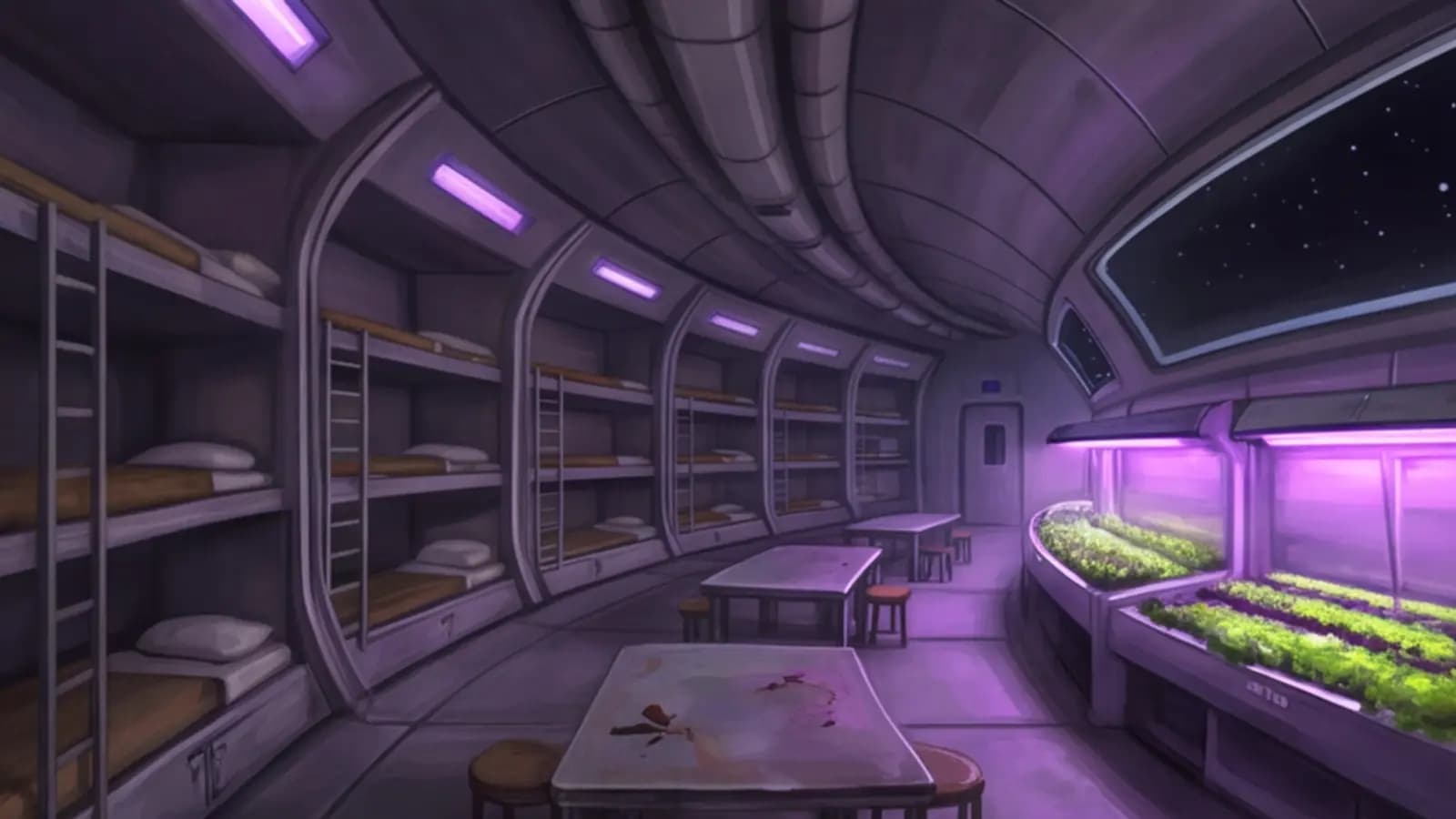
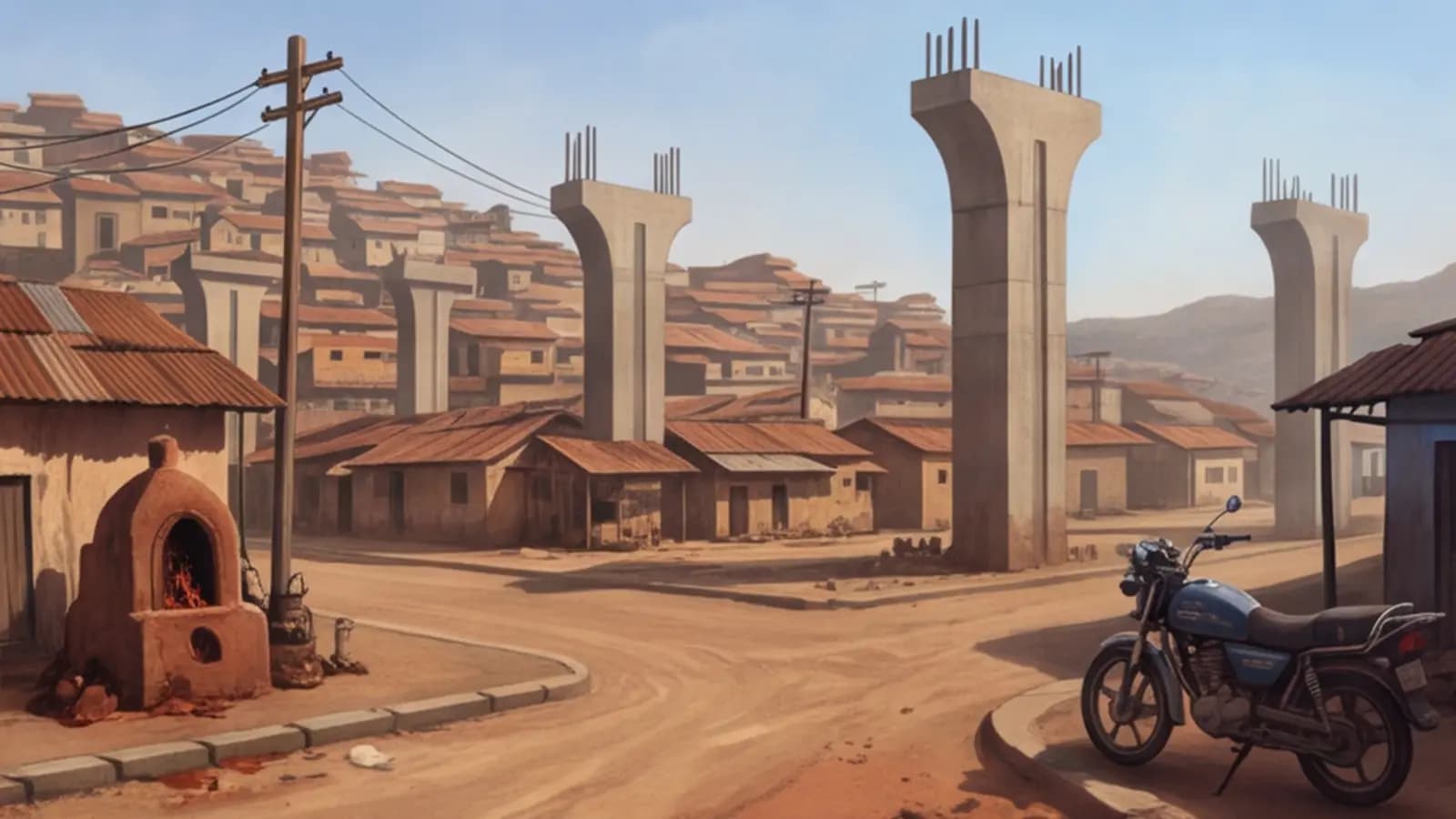
Control by the state
Surveillance state
Everyone is watched, at work, in the street and at home, and neighbours are encouraged to report. Privacy is the first crime.
Play: The Draw of YearsPlay this storyRewritten history
Records, books and photographs are altered until the past agrees with the present. People learn not to trust their own memory.
Play: One Breath LessPlay this storyTotal bureaucracy
Nobody is cruel; everybody follows procedure. A person without the right paper does not exist, and no desk is responsible.
Play: The Crossroads DebtPlay this storyPermanent war
A war that is always almost won explains every shortage and every arrest. Nobody at home has seen the front.
Play: The Sutler of KitzbrunnPlay this storyTheocracy
Priests rule, and law and sin are the same thing. Dress, speech, marriage and reading are all set by doctrine.
Play: One Breath LessPlay this story
Control by comfort and by trade
Corporate rule
Companies have replaced governments. Citizens are employees or customers, debt is the leash, and every right has a price.
Play: The Crossroads DebtPlay this storyEngineered happiness
Everyone is content, by means of drugs, entertainment or design from birth. Sadness is treated as a fault to be repaired.
Play: The Draw of YearsPlay this storyRanked citizens
Every act adds to or takes from a public score. The score decides housing, work, travel and who may be spoken to.
Play: One Breath LessPlay this storyMachine government
Decisions are handed to a system that calculates what is good for all. It is never cruel, never wrong on its own terms and cannot be argued with.
Play: The Crossroads DebtPlay this story
Control by birth and by scarcity
Caste society
People are sorted at birth, or by a test, into ranks that fix their whole lives. Moving between ranks is forbidden or deadly.
Play: The Draw of YearsPlay this storyPopulation control
The state decides who may have children, how many and with whom. A family can be a crime.
Play: One Breath LessPlay this storyAfter the collapse
The old world has ended in war, plague or flood. The survivors live under whoever controls the water, the fuel or the seed.
Play: Nine Apple TreesPlay this storyThe sealed city
A dome or a wall keeps the citizens safe from an outside said to be dead. Nobody is allowed to check.
Play: The Draw of YearsPlay this storyThe deadly spectacle
The powerless are made to compete or fight for the entertainment of the rest. The show keeps the crowd busy and the rebels afraid.
Play: One Breath LessPlay this story
What dystopian means
Dystopian means belonging to a dystopia: an imagined society where life is far worse than it first appears. The word is built from Greek roots for “bad place” and is the opposite of utopia.
What marks a dystopia is not disaster alone but a system. Someone designed the rules, most people follow them, and many believe they are right.
Such stories take a fear of their own time, such as censorship, inequality or technology, and show where it could lead.
Dystopian or post-apocalyptic
A post-apocalyptic story is about the end of order: the survivors have too little society. A dystopian story is about too much of it.
The two meet when a harsh new order grows on the ruins. Then the hero has both to survive and to decide whether to obey.
A dystopia played scene by scene
The usual hero of such a story is an ordinary person inside the system who sees one thing that does not fit. From there each step is a risk: whom to tell, what to keep, when to run.
On PlayAIStories each scene ends with several choices and a field for a move of one’s own. Risky moves are settled by a die, and the game shows the odds in plain words before the choice.
The story keeps a record of what happened, and characters remember what was said to them. A careless word to a neighbour can come back chapters later.