
Guide
Analog horror: the genre of found tapes and broken broadcasts
Analog horror is web horror made to look like old recordings: a VHS tape, a late-night broadcast, a cheerful safety film from decades ago. This guide covers its forms, where the genre came from and a premise to play for each.
Play a story like this
Ready stories from the library. The first scene opens right away, no account needed.
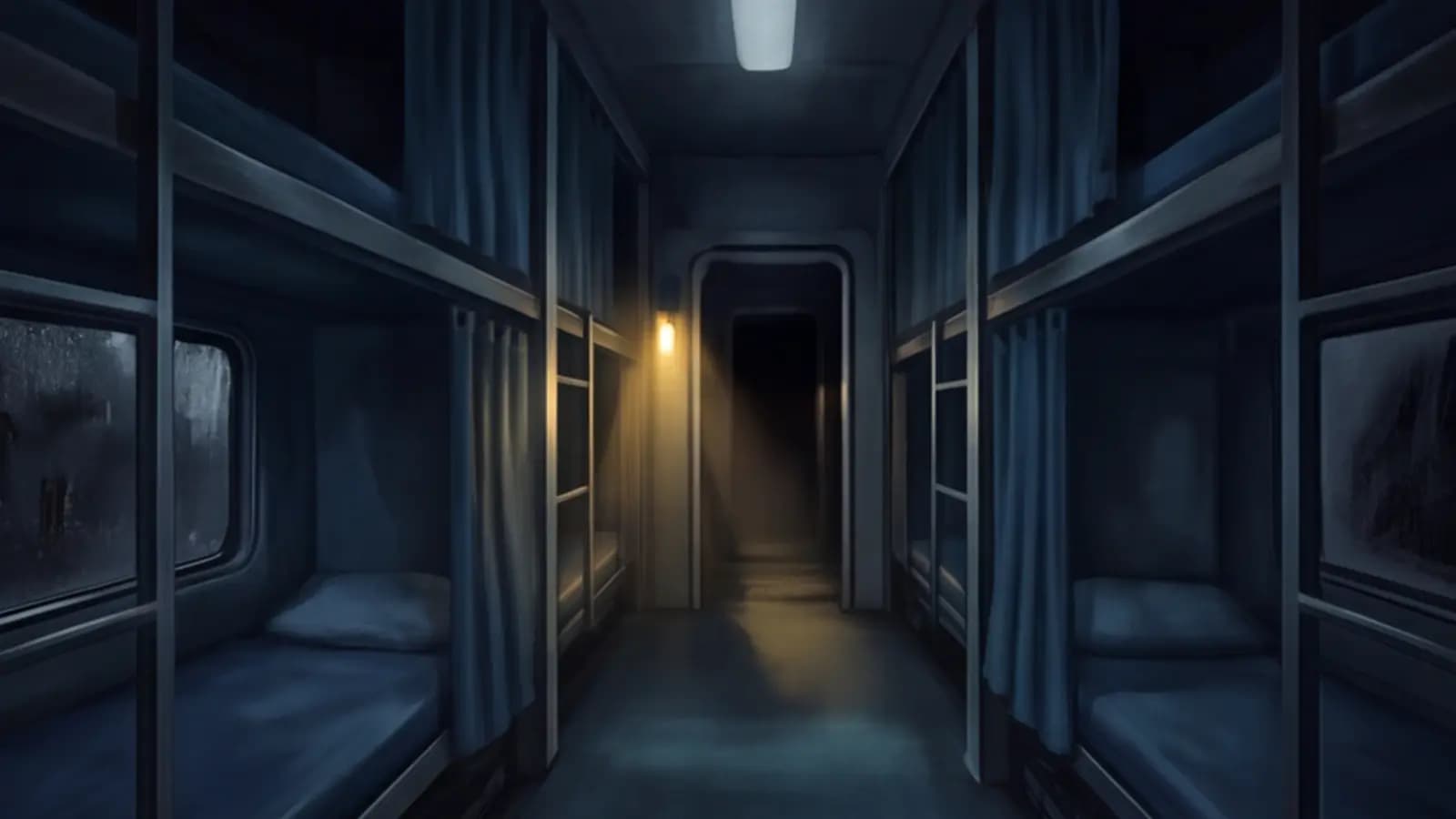
- Survival horror Nine Hundred in the DarkMonsoon landslides seal an overnight express inside a mountain tunnel.
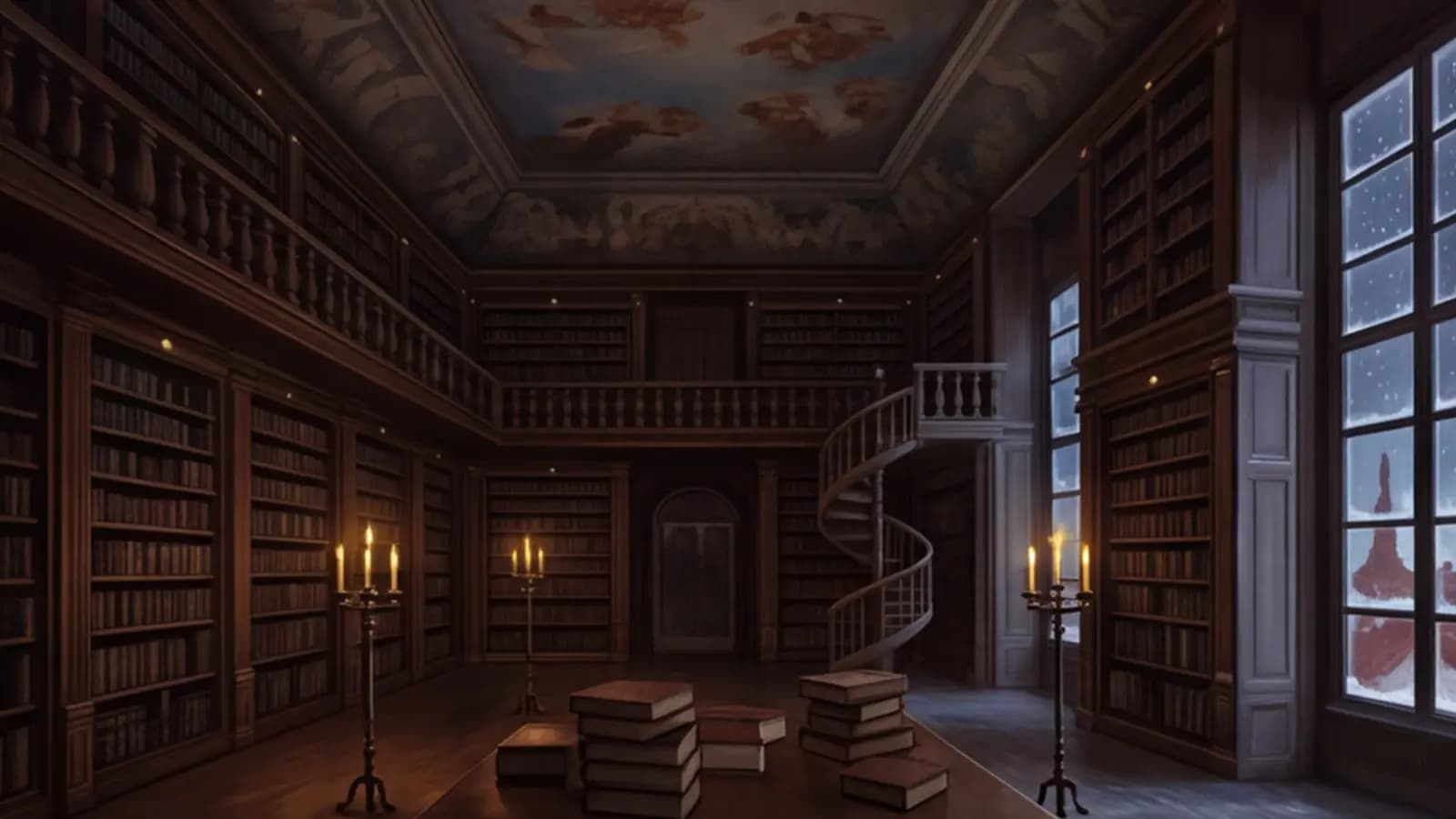
- Vampire stories The Red Book of Malá StranaPrague, January.
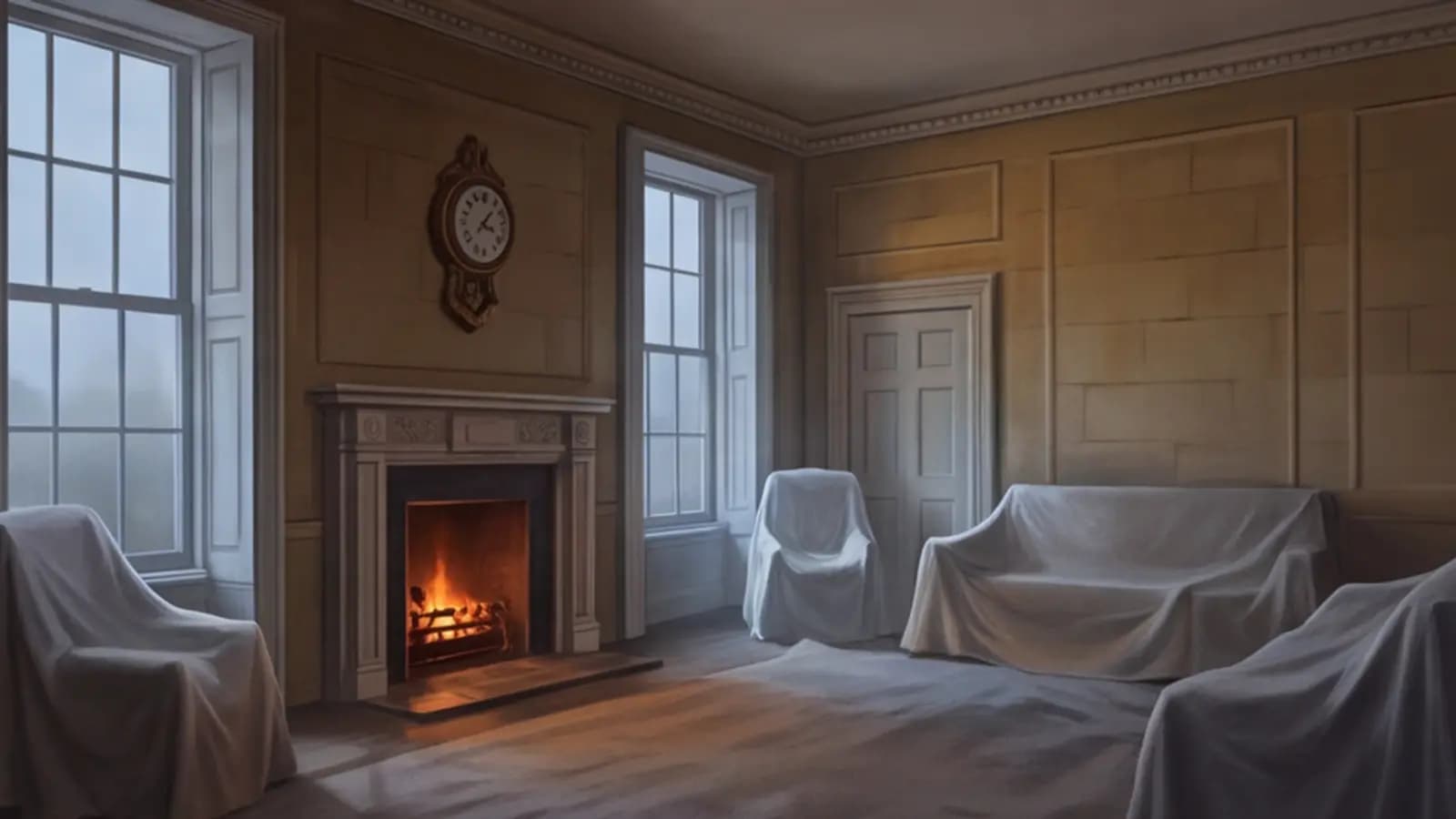
- Haunted house The House That Keeps TimeConstance Ruddock’s will leaves a sandstone house in Tasmania to whoever winds its thirteen clocks before midnight for thirty nights.
Forms of analog horror
The hijacked broadcast
A small television station goes on air as usual, and then something else takes over the signal. The calm voice and the station logo make the intrusion worse.
Play: Nine Hundred in the DarkPlay this storyThe emergency alert
A warning screen, a tone, a flat voice reading instructions. The instructions start sensible and grow stranger, and nobody explains what they protect against.
Play: The Red Book of Malá StranaPlay this storyThe training film
A public service announcement or an educational reel in the bright style of its decade. The narrator smiles through advice that hints at something terrible.
Play: The House That Keeps TimePlay this storyThe home video
Birthdays, holidays and a family garden on a worn tape. The fear sits at the edge of the frame, where nobody at the party seems to look.
Play: Nine Hundred in the DarkPlay this storyThe strange advert
A commercial for a product, a toy or a hotline from an era that never quite existed. The jingle is catchy and the small print is wrong.
Play: The Red Book of Malá StranaPlay this storyThe altered footage
Real-looking material from the imitated era, edited so that one detail no longer fits. The viewer is never sure what was in the original.
Play: The House That Keeps TimePlay this storyThe tape with no picture
Audio alone: an interview, a radio log, a box of cassettes. Without images the listener fills every silence alone.
Play: Nine Hundred in the DarkPlay this story
Roots and neighbours
Found footage
The film form in which a story is shown as recovered recordings. Analog horror is usually described as its offshoot, moved to the web and to the look of old television.
Play: Three Hundred Years of TracksPlay this storyThe fake live bulletin
Fiction dressed as news. Commentators compare analog horror to Orson Welles’s radio drama of 1938, The War of the Worlds, and to later television films told as live reports.
Play: Nine-ThirteenPlay this storyCreepypasta
Internet horror stories of the late 2000s and early 2010s, passed from forum to forum. Several of them anticipated the themes and the look of analog horror.
Play: The Night Desk TapesPlay this story
What analog horror is
Analog horror is a kind of horror fiction found mostly on YouTube. It uses low-quality images, cryptic messages and few classic jump scares, and it looks like television and tape recordings of the late twentieth century.
The name comes from analog electronics: broadcast television and VHS. Stories are usually set between the 1960s and the 2000s, with distortion and glitches in picture and sound.
The limits of old equipment also help the makers. Blur and noise hide modern editing tools.
Where the genre came from
The genre is usually dated to No Through Road by Steven Chamberlain, a set of four short videos from January 2009. Kris Straub’s web series Local 58, begun in October 2015, made it popular on the English-speaking internet.
That series carried the slogan “Analog horror at 476 MHz”, and the slogan gave the genre its name. This page is about the genre, not about any one series.
A found tape played as a story
In a played story the tape is not somebody else’s problem. The decision to press play, or to call the number on the screen, belongs to the player.
On PlayAIStories one line with a premise is enough to start. Each scene ends with several choices and a field for a move of one’s own. Risky moves are settled by a die, and a failed roll turns the story instead of ending it.
Dark themes are allowed, and such stories carry an 18+ mark.