
Guide
Horror games: seven kinds of scary games, with a real game for each
Horror games are sorted by what they make the player feel, not by how they play, so the genre holds mazes, point-and-click chases, co-op ghost hunts and games where the player is the monster. Below are seven kinds, each with a real game and a premise to play.
Play a story like this
Ready stories from the library. The first scene opens right away, no account needed.
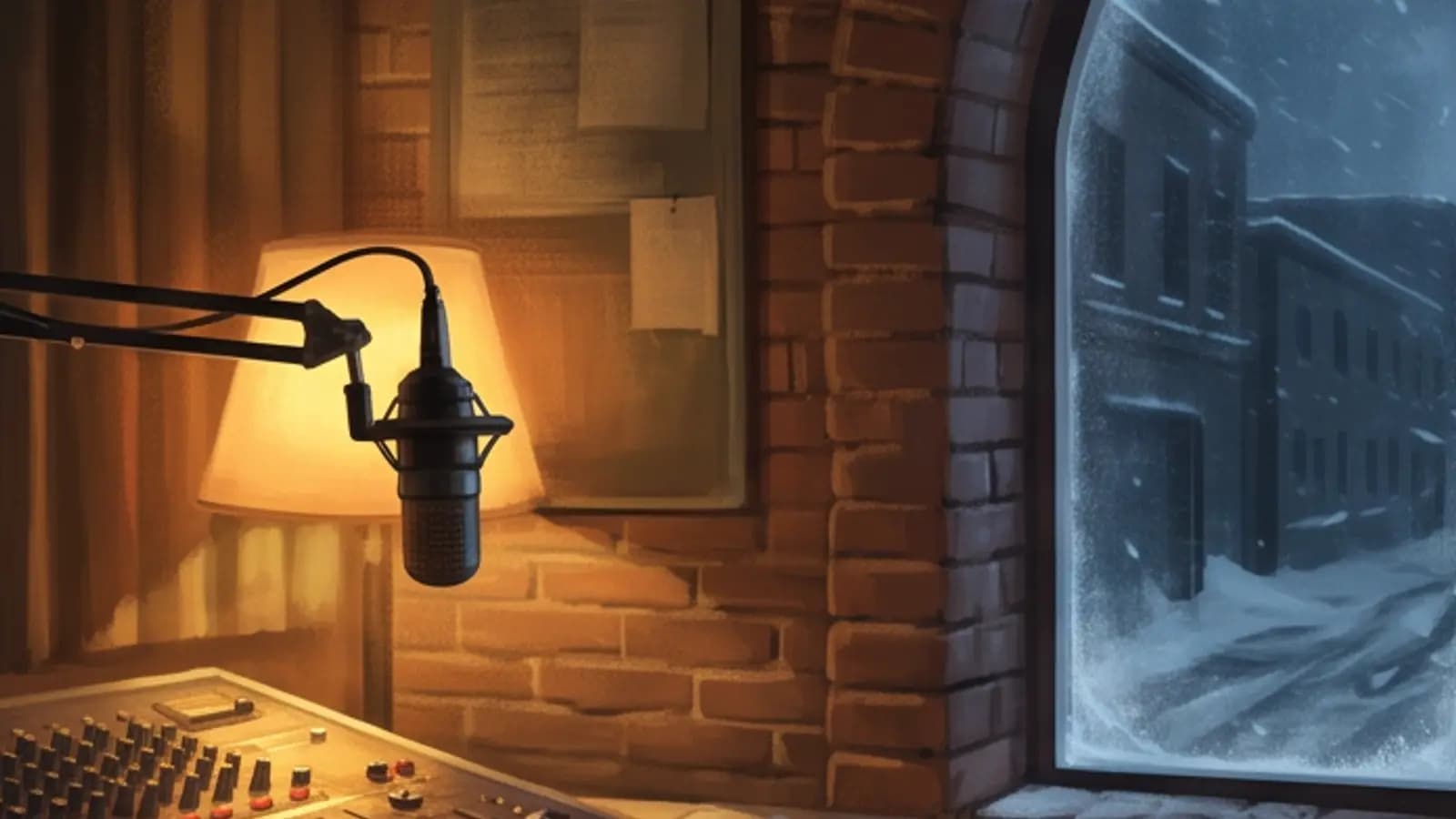
- Ghost stories Dead Air on Line FourA radio host in Winnipeg answers the line that only rings in blizzards.
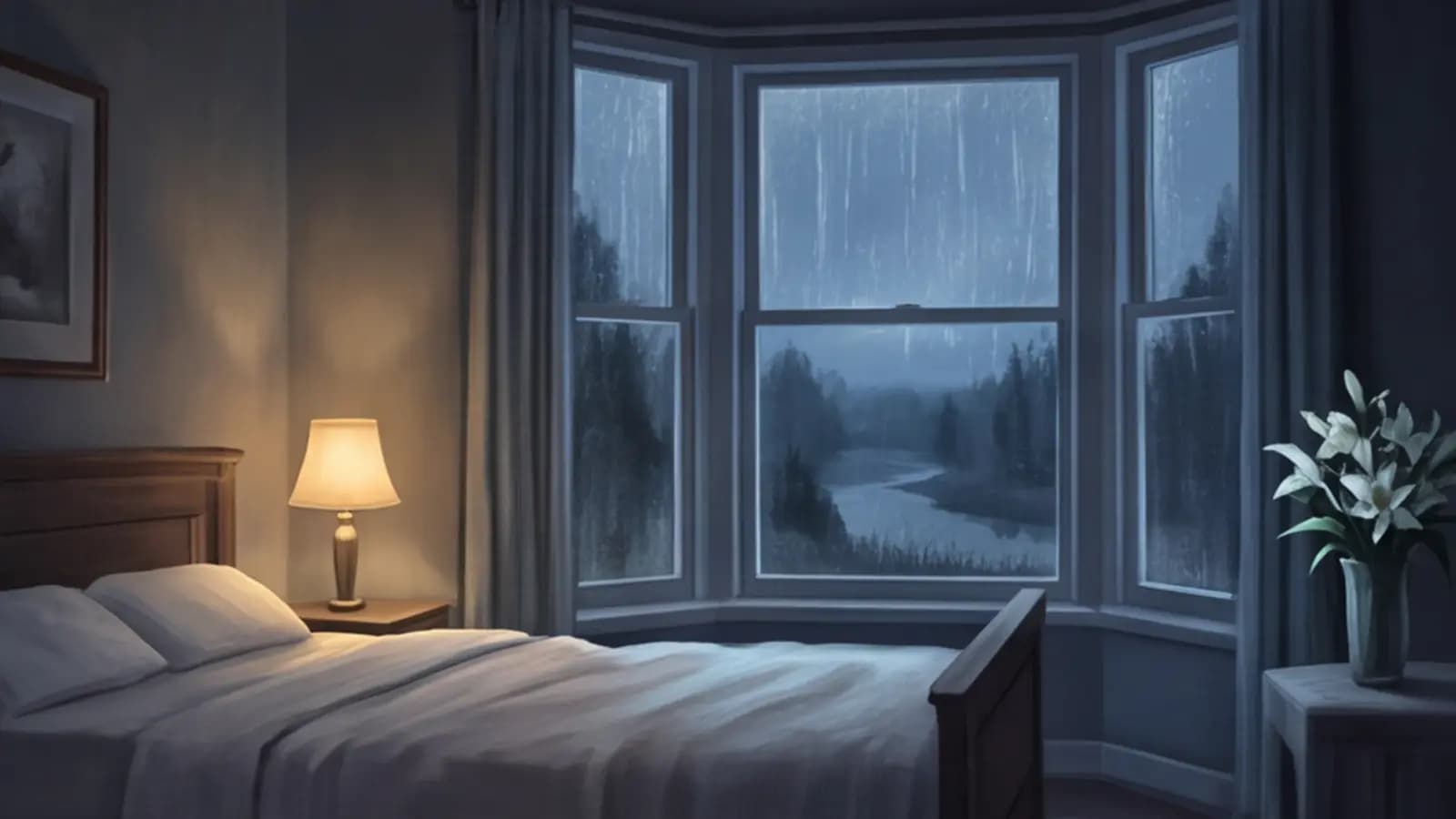
- Ghost stories Agnes Won’t Go QuietlyA Glasgow hospice volunteer who nearly drowned now hears the dead.
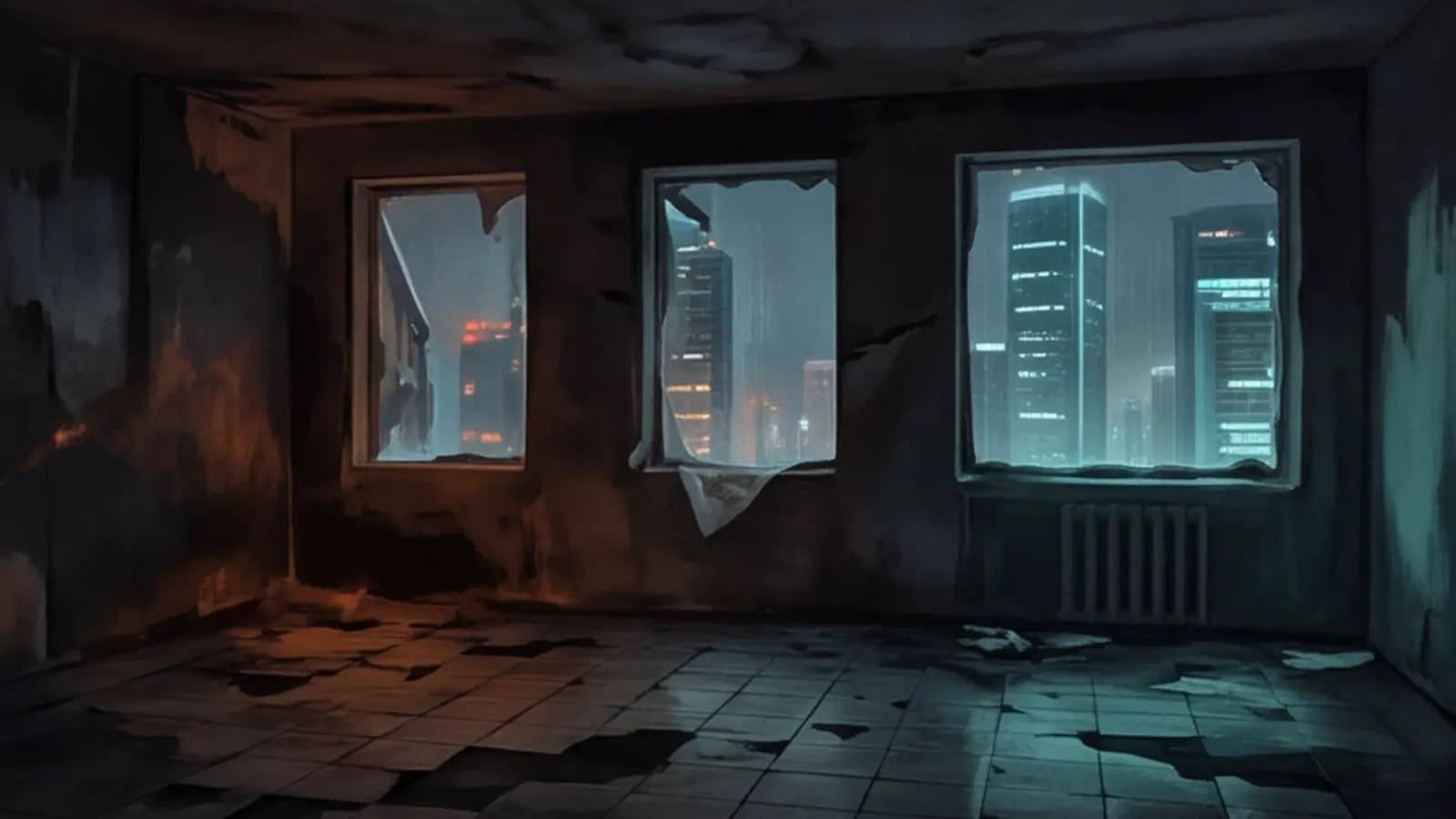
- Ghost stories Live from Unit 904A ghost-stream camera operator in Seoul is the only one who can’t see the man standing behind them.
Seven kinds of horror games
The hunted maze: 3D Monster Maze
Programmed by Malcolm Evans from a design by J. K. Greye, published by J. K. Greye Software in 1981 for the ZX81. The player walks a random maze in first person while a Tyrannosaurus rex hunts them, and the only goal is the exit. It is called one of the first 3D games for a home computer, and Edge later named it the original survival horror game.
Play: Nine Hundred in the DarkPlay this storyThe stalker: Clock Tower
Human Entertainment, 1995, for the Super Famicom in Japan, directed by Hifumi Kono; later on PlayStation and PC. The orphan Jennifer Simpson is hunted through a mansion by the Scissorman. She cannot fight back, only hide or set traps, and the game has nine endings. Kono drew on the films of Dario Argento.
Play: Agnes Won’t Go QuietlyPlay this storyHide and run: Amnesia: The Dark Descent
Frictional Games, Sweden, 2010, for PC, later consoles. In 1839 the archaeologist Daniel wakes with no memory in a Prussian castle. He has no way to fight; he hides, runs and closes doors, and darkness slowly drains his sanity. Its designer said the darkness itself was meant to be an enemy.
Play: The Ash GatePlay this storyThe jump scare: Five Nights at Freddy’s
Made and published by Scott Cawthon in 2014 for PC and phones, later consoles. A night guard at a family pizzeria watches security cameras while animatronic characters roam the building. Doors, lights and cameras share a limited supply of power, and a mistake ends the night with a jump scare.
Play: Dead Air on Line FourPlay this storyCo-op action horror: Left 4 Dead
Valve South (Turtle Rock Studios), published by Valve in 2008 for PC and Xbox 360, later Mac. Four survivors fight through a zombie outbreak on the US East Coast from safehouse to safehouse. An “AI Director” places enemies and supplies differently each time, based on how the players are doing, to keep up the tension.
Play: Nine Apple TreesPlay this storyThe ghost hunt: Phasmophobia
Kinetic Games, a British indie studio, in early access since 2020 on PC with VR support, on PlayStation 5 and Xbox Series X/S since 2024. One to four ghost hunters take contracts to name the ghost haunting a site from the evidence it leaves. The ghost can react to words the players speak aloud.
Play: Live from Unit 904Play this storyReverse horror: Carrion
Phobia Game Studio, Warsaw, published by Devolver Digital in 2020 for PC, Switch and Xbox One, later PlayStation and phones. The player is a red, shapeless creature escaping a research lab through its vents. The roles of hunter and hunted are reversed, which is why the game is called reverse horror.
Play: The Red Book of Malá StranaPlay this story
Horror stories to play
The night shift
A job nobody wants, a building nobody visits after dark, rules that make less sense each hour.
Play: Agnes Won’t Go QuietlyPlay this storyThe haunted place
A house, a school or a ship with a past. The story is about learning what happened there before it happens again.
Play: The House That Keeps TimePlay this storyThe group that splits up
Friends, a crew, a family on a trip. Each one has a secret, and the dark finds them one at a time.
Play: Promised to the SaltPlay this story
What horror games are
A horror game is a video game built on horror fiction and made to frighten the player. Most genres are named after how they play; horror is named after what it shows, so it borrows mechanics from every other genre.
Among its subgenres are survival horror, psychological horror, action horror, jump scare horror and reverse horror. The earliest rough attempt is a Haunted House overlay for the Magnavox Odyssey in 1972.
Indie horror games and the retro look
Indie horror games grew in the early 2010s, when large publishers had largely stepped away from the genre. Amnesia, a first person horror game by the independent Frictional Games, was praised for building dread through atmosphere without leaning on violence or gore.
In the early 2020s many indie developers turned to a retro look: low-polygon graphics in the style of the first PlayStation, or pixel art.
Horror as a story instead of a screen
PlayAIStories is not a 3D game. There are no rooms to walk, no cameras to switch and no timers. A horror story is told in prose, a few paragraphs to a scene, and the fear has to come from the words and the choices.
Horror is one of the genres, with subgenres such as slasher, survival horror and the haunted house. Each scene ends with several choices and a field for a move of one’s own. Characters remember what was done to them.
Risky moves are settled by a die, with the odds shown in plain words first. A failed roll turns the story instead of ending it. The guide to kinds of horror stories covers the genre in fiction, and choice-driven horror on screen is in games like Until Dawn.