
Guide
Types of horror: the main kinds and an idea to play for each
There are many types of horror, and each frightens in its own way. A ghost asks to be heard, a slasher has to be outrun, and a cosmic horror cannot even be understood. Each kind below comes with a premise that can be played as a story.
Play a story like this
Ready stories from the library. The first scene opens right away, no account needed.
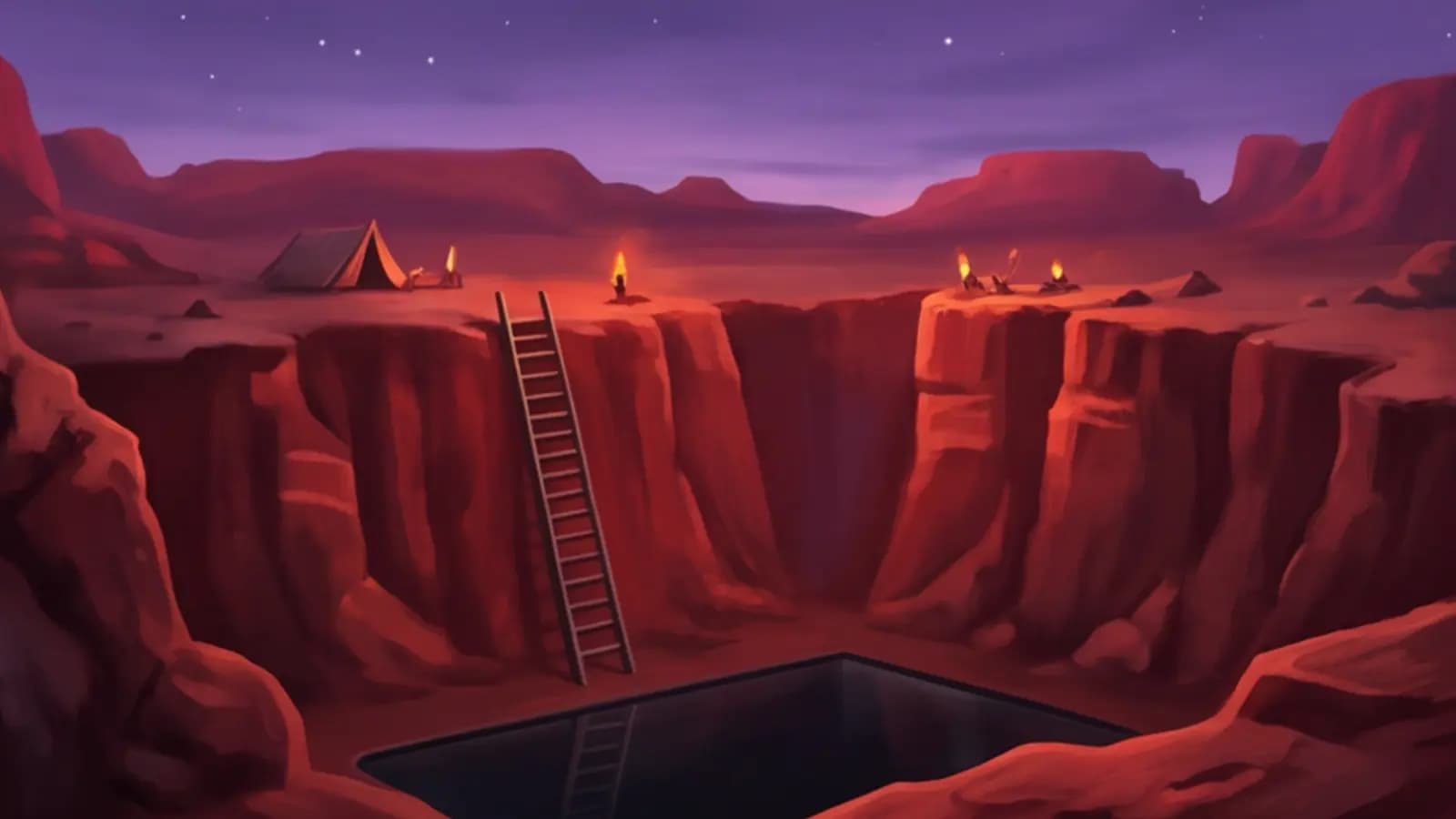
- Cosmic horror The Glass Under Khar UsThe Gobi, 1928.
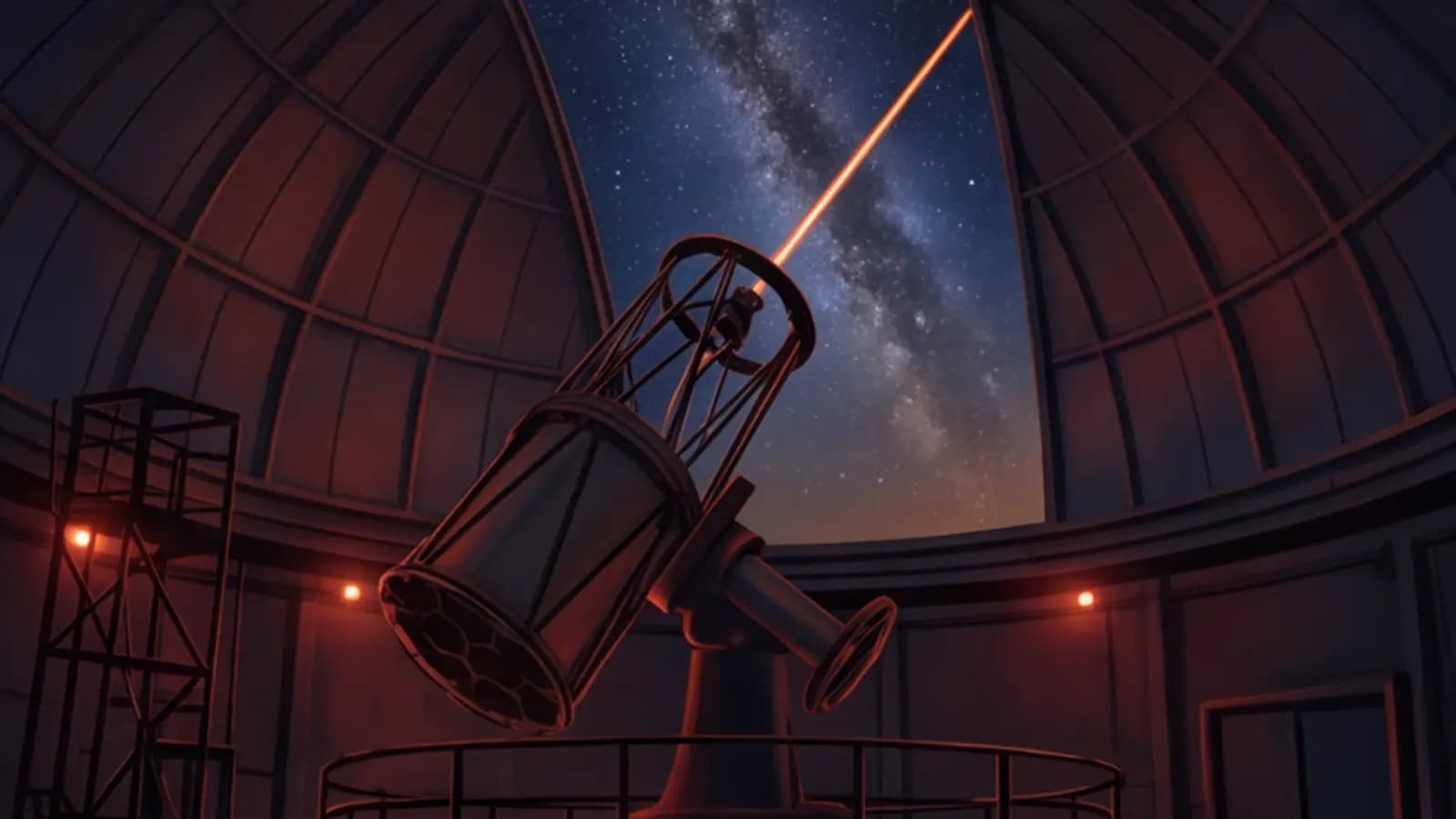
- Cosmic horror The Star That MovedHigh in the Atacama, a visiting astronomer watches a faint star go dark for eleven seconds and come back somewhere it cannot be.
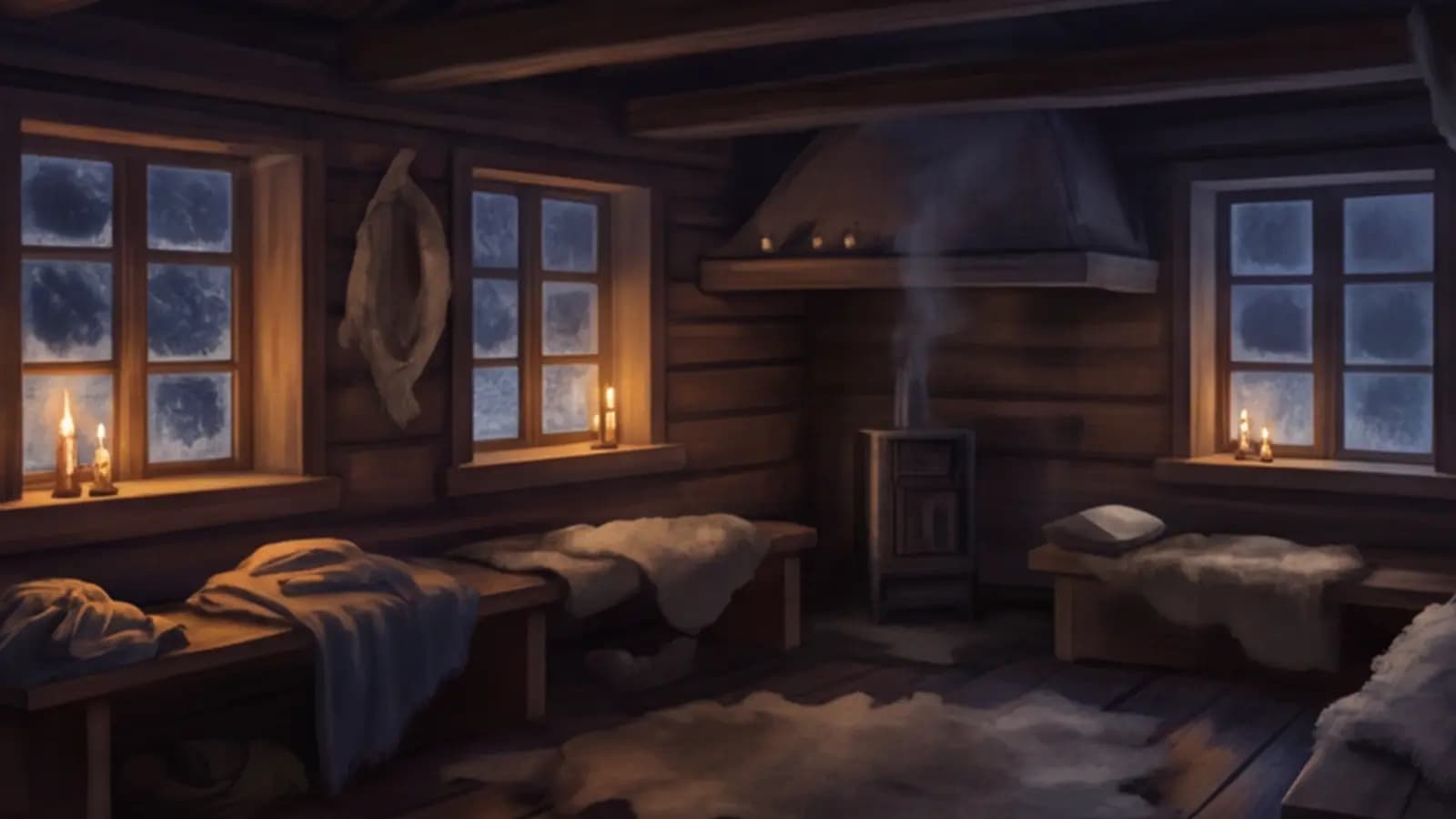
- Slasher stories The Yule Lads Come DownA blizzard traps a winter photo tour at an Icelandic guesthouse.
Old fears
Ghost story
The dead return because something is unfinished: a wrong, a promise, a body never found. The fear is quiet, and the story often ends when the ghost is finally understood.
Play: Dead Air on Line FourPlay this storyHaunted house
Here the place itself is the threat. A family or a group of visitors moves in, the house learns them, and leaving turns out to be harder than arriving.
Play: The House That Keeps TimePlay this storyGothic horror
Ruined mansions, family secrets, storms and locked rooms. The past weighs on the living, and the question is often whether the horror is supernatural or made by people.
Play: The Sixty-Hour VaultPlay this storyFolk horror
An outsider comes to a remote community that keeps old customs. The land, the harvest and the rites are tied together, and the visitor learns too late what part was kept for a guest.
Play: The FracturePlay this story
Modern fears
Urban legend
A story passed on as true, something that happened to a friend of a friend. It is set in ordinary places, a car park, a dormitory, a late bus, and carries a warning.
Play: The Crossroads DebtPlay this storyCreepypasta
Horror born on the internet and spread by copying. It is often told as a forum post, a found file or a diary, and it imitates a real account so well that the edges blur.
Play: The Night Desk TapesPlay this storySlasher
A killer hunts a group one by one, usually in a closed place over a single night. The story lives on the chase, the hiding places and the one who is left to fight back.
Play: The Yule Lads Come DownPlay this storyPsychological horror
The danger is in the mind. The hero cannot trust memory, senses or the people closest, and the reader is never sure what is really there.
Play: The Glass Under Khar UsPlay this story
Fear of the unknown
Cosmic horror
People meet something vast and indifferent that no mind can take in. Nothing can be defeated here; the horror is learning how small the human world is.
Play: The Star That MovedPlay this storySurvival horror
Few supplies, no help, and something close behind. Every bullet and bandage counts, and running or hiding is usually wiser than fighting.
Play: Nine Hundred in the DarkPlay this storyBody horror
The threat is change in one’s own flesh: an infection, a growth, a transformation that cannot be stopped. The fear is of losing oneself from the inside.
Play: The Ash GatePlay this story
How the types of horror differ
Horror stories differ first in where the threat stands. It can be outside, like a killer or a creature, or inside, in the house, the family or the hero’s own head.
They also differ in whether the threat can be known. A ghost has a reason and can be laid to rest. A cosmic horror has no reason that people can follow, and that is the point of it.
The oldest advice of the genre applies to all of them: what is half seen frightens more than what is shown.
Reading a horror story and playing one
A reader watches the hero go down the cellar stairs. In a played story the decision to go down is the player’s own, and so is the blame.
On PlayAIStories each scene ends with several choices and a field for a move of one’s own. Risky moves, such as running, hiding or forcing a door, are settled by a die, and the odds are shown in plain words first. A failed roll turns the story instead of ending it.
Dark themes are allowed, and such stories carry an 18+ mark.