
Guide
Steampunk: the building blocks of the genre and a story idea for each
Steampunk is a genre that imagines advanced machines built with the technology of the age of steam: brass, coal, gears and gas light. This guide lists its building blocks and its neighbour genres, each with a premise to play.
Play a story like this
Ready stories from the library. The first scene opens right away, no account needed.
Machines
Airships
Great gas-filled ships with propellers and gondolas are the signature of the genre. They carry mail, armies and passengers between cities and give the sky its own ports and borders.
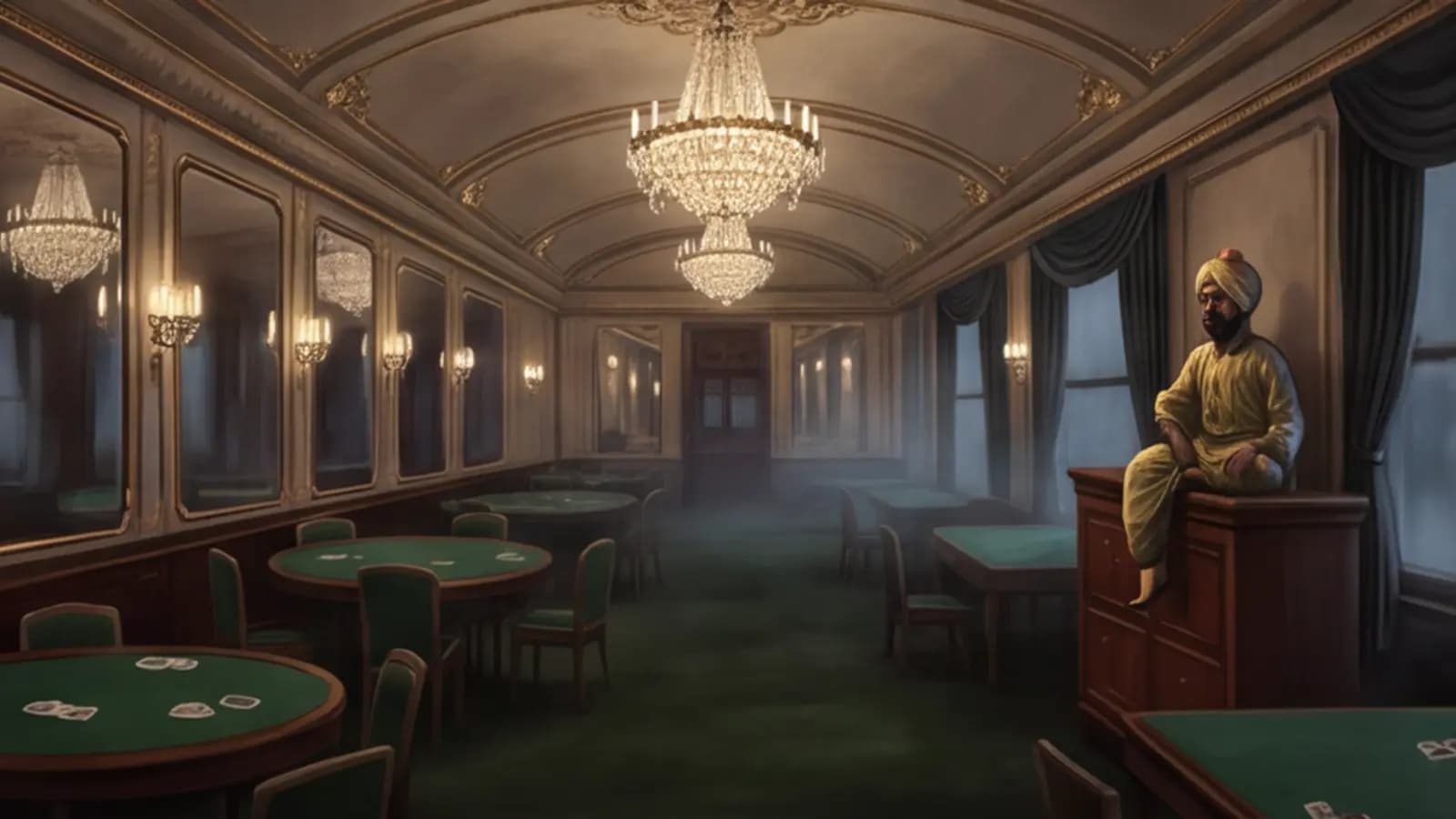
Play: The Colonel of the Belle OmbrePlay this storyAutomata
Mechanical servants, soldiers and clerks driven by springs and steam. Sooner or later a story asks whether one of them thinks.
Play: CóndorPlay this storyClockwork
Gears, springs and escapements do the work of electronics. A clockwork device is small, exact and beautiful, and it has to be wound.
Play: The Heat HeartPlay this storyCalculating engines
Room-sized mechanical computers of brass wheels, fed with punched cards. Governments and banks run on them, and whoever cuts the cards holds the power.
Play: White CranePlay this storySteam trains and submersibles
Armoured trains cross continents and iron submarines go under the ice. Travel itself is the adventure, and the engine room is half the setting.
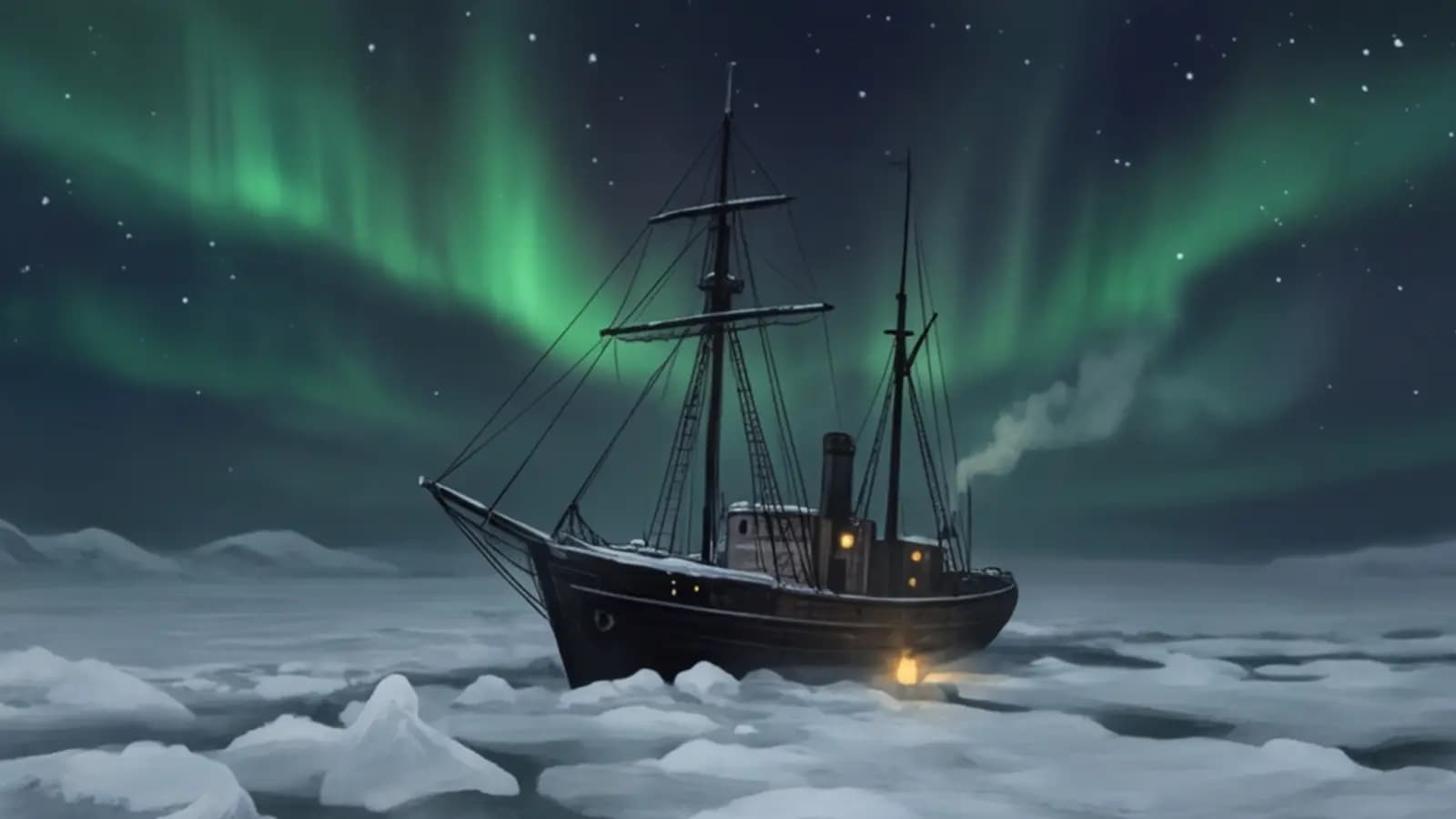
Play: The Ash GatePlay this story
People and powers
Inventors
The genius in a workshop, with burnt sleeves and a patent dispute. An invention in steampunk is never neutral: someone wants to buy it, steal it or ban it.
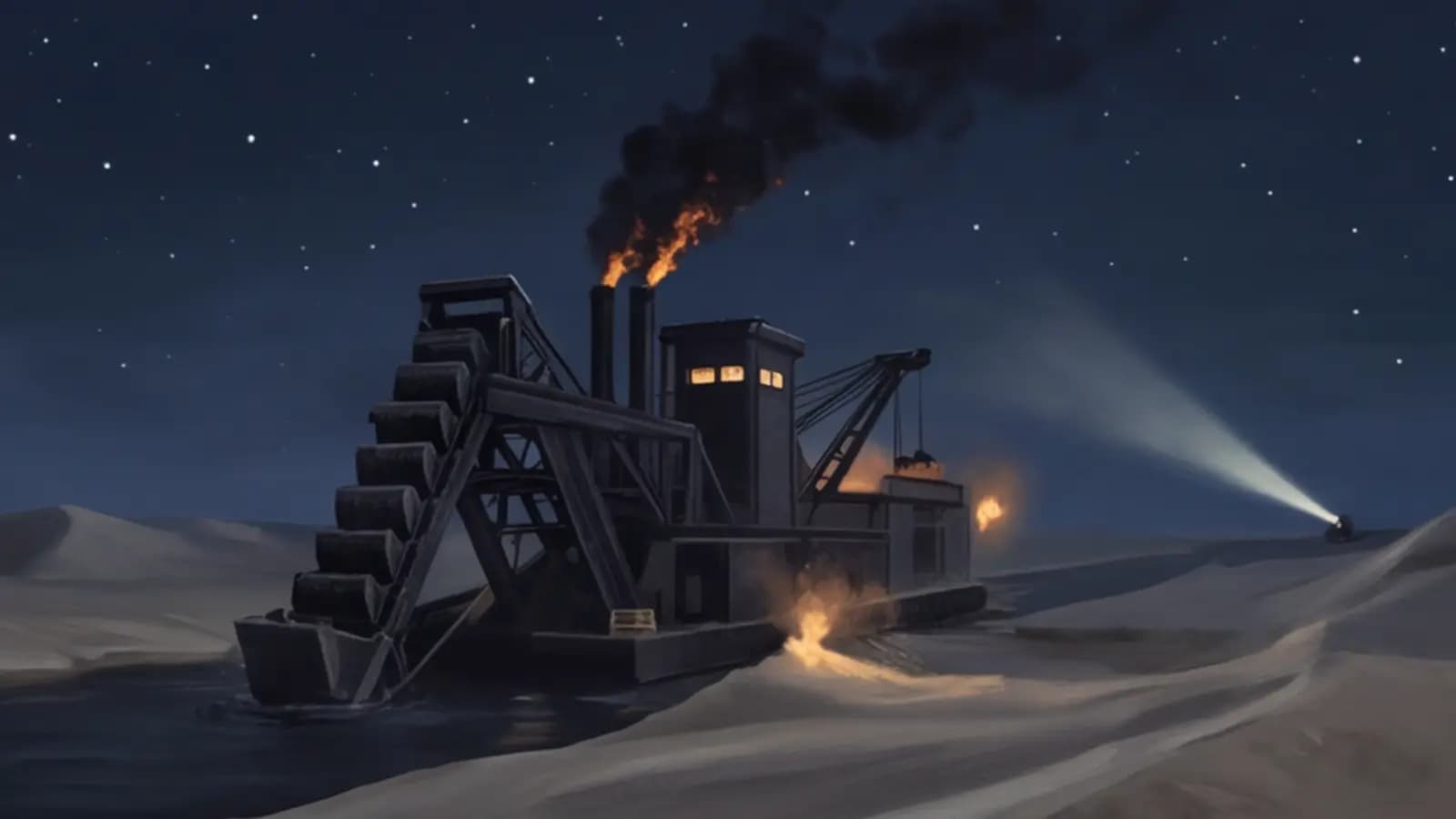
Play: The Leviathan of SuezPlay this storySky pirates
Free crews on patched airships who raid the trade lanes. They are the genre’s outlaws: half rogues, half rebels against the empires below.
Play: Forty Days of GracePlay this storySteam-age empires
Great powers divide the map with ironclads and telegraph lines. The glitter of the capital is paid for in the colonies and the factories.
Play: The Memory of RomePlay this storyThe factory city
Smoke, gas lamps and tenements under the chimneys. Mill owners, unions and street gangs fight over the same few streets.
Play: The Leviathan of SuezPlay this storyExplorers and learned societies
Clubs of scholars fund expeditions to the poles, the deep sea and the hollow places of the earth. Half the members are after knowledge and half after glory.
Play: The Ville de BrestPlay this story
Neighbour genres
Cyberpunk
The genre that lent steampunk its name: a near future of computers, corporations and street-level heroes. Steampunk swaps the chip for the gear and the future for the past.
Play: Kedrograd-7Play this storyClockpunk
An earlier stage of technology: Renaissance-style machines of springs, pulleys and wood, with no steam at all.
Play: The Cloud TowerPlay this storyDieselpunk
A later stage, from the years between the world wars to the 1950s: diesel engines, steel, radio and propaganda posters. It is darker and heavier than steampunk.
Play: The Tide Clock of VenicePlay this storyGaslamp fantasy
The same gas-lit century with magic in place of machines: fairies, curses and secret orders in the fog.
Play: The Seventh VoyagePlay this story
What steampunk is
Steampunk is science fiction set in an age of steam, most often a version of the nineteenth century. Its machines do what modern ones do, but with boilers, gears and brass.
The roots are the scientific romances of that century, with their submarines, flying machines and trips to the moon. The word itself appeared in the 1980s as a play on “cyberpunk”.
The genre also asks who pays for progress. The factories and the colonies are never far from the ballroom.
Why these worlds suit adventure
A world of steam keeps the map half empty. Airships make every blank patch reachable, and the telegraph is the only thing faster than the hero.
Machines here are built by hand and can be understood. A hero can repair one, sabotage one or improve one with a spanner, and that makes clever plans possible.
A steampunk story played scene by scene
On PlayAIStories one line with a premise is enough to start. The game builds the world and the cast and shows them before the first scene.
Each scene ends with several choices and a field for a move of one’s own. Risky moves, such as a leap between two airships, are settled by a die, and the odds are shown in plain words first.
What helps or hinders is shown too: a skill, a trade, how much a character trusts the hero. A failed roll turns the story instead of ending it.