
Guide
Tsundere: what it means, the kinds and how to write one
A tsundere is a character who is harsh and prickly on the surface and warm underneath. The archetype comes from anime and manga fandom, and this guide covers its meaning, its variants and premises to play.
Play a story like this
Ready stories from the library. The first scene opens right away, no account needed.
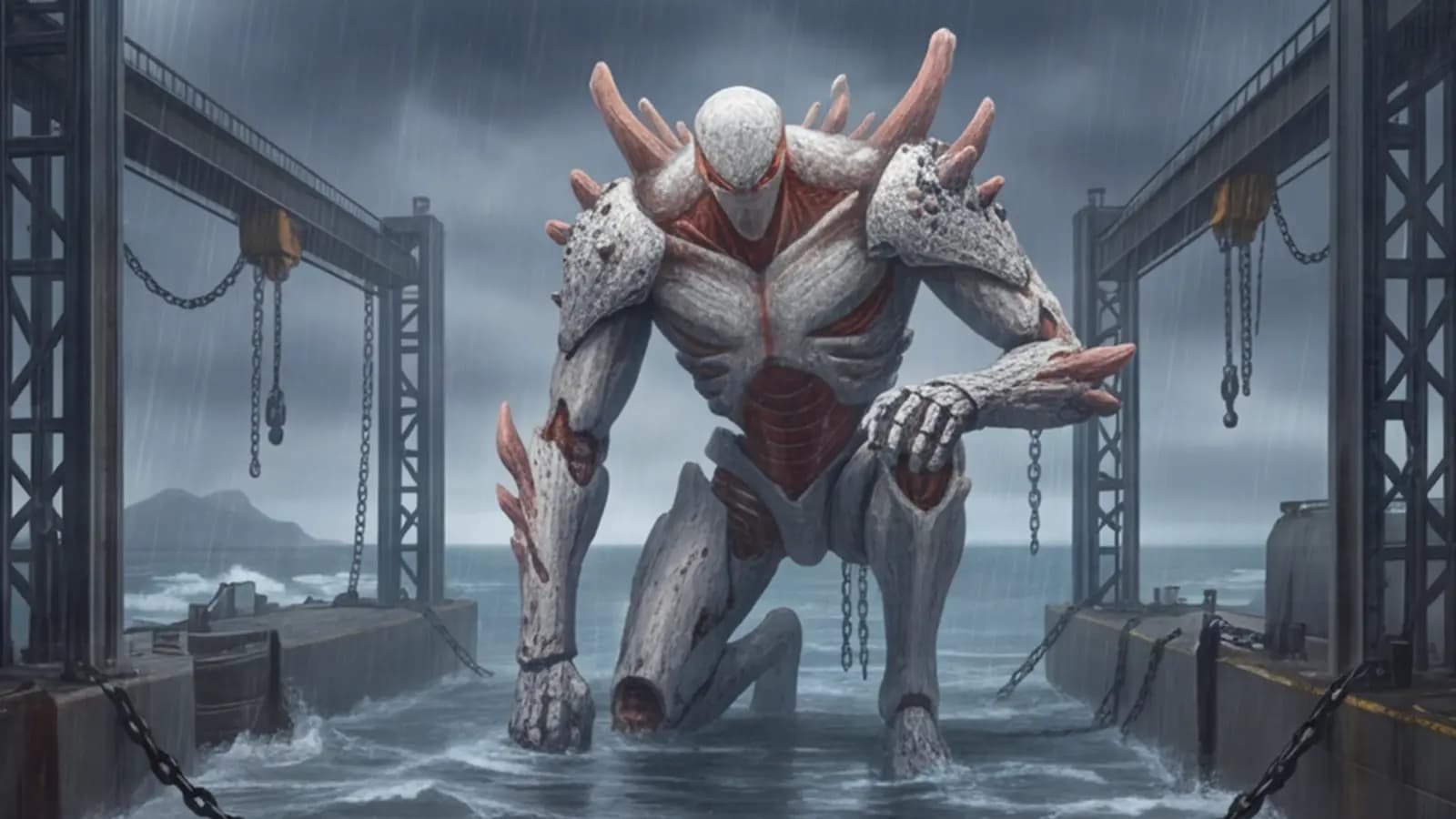
- Anime Coral Frame AcademyA scholarship cadet shatters the sync crystal on day one, and the atoll’s oldest living war machine wakes up and asks for the cadet by name.
- Anime NINESTAR: Trainee NinetyA last-minute trainee with no agency joins Seoul’s biggest idol survival show and finds the quitter’s phone under the bunk.
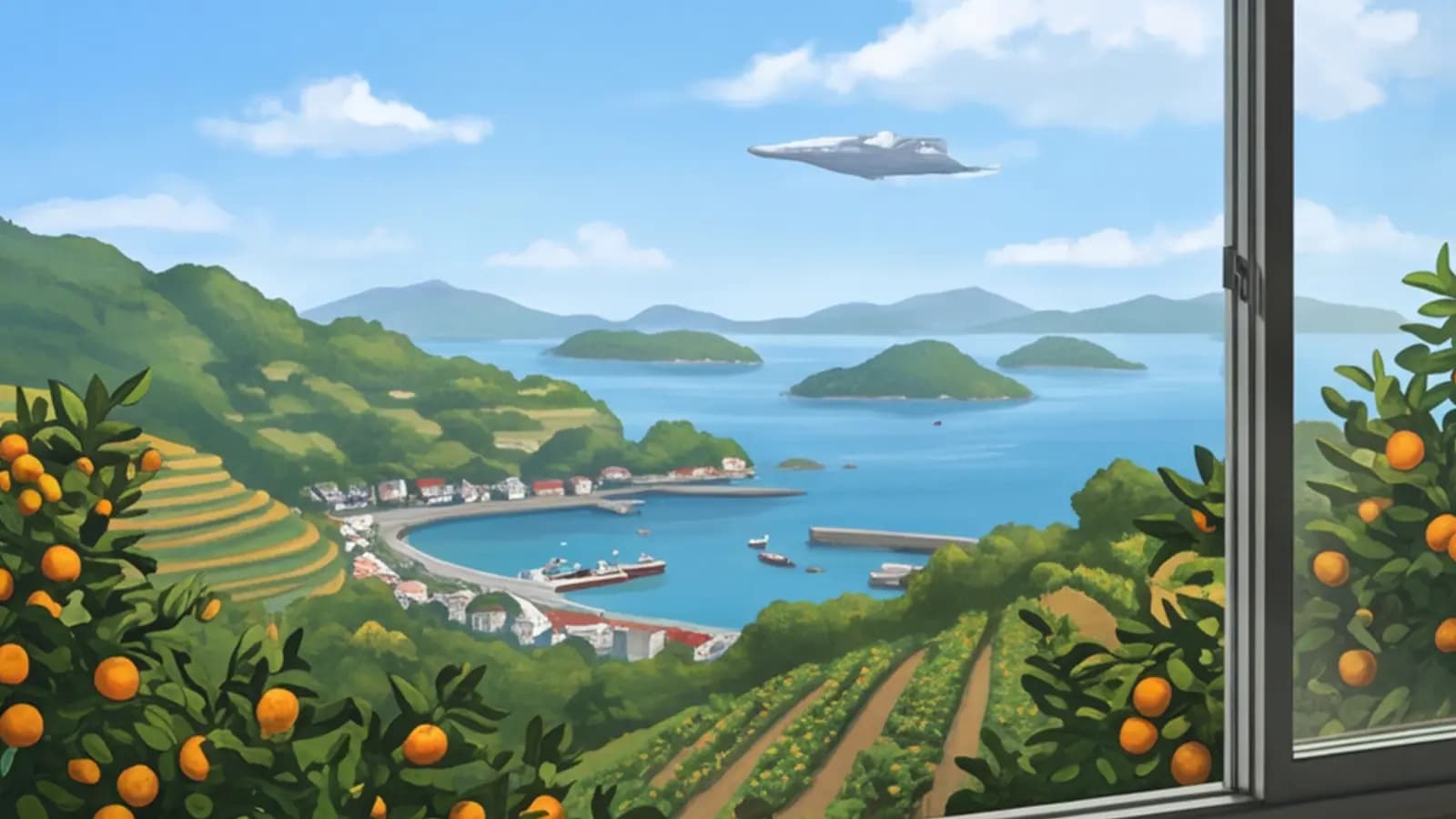
- School life stories The Alien in the Mikan OrchardA student on a tiny citrus island finds an alien girl and her crashed seed ship in the family orchard.

Kinds of tsundere
Harsh by default
Sharpness is the everyday mode: scolding, sarcasm, a turned shoulder. Warmth breaks through rarely, and only when the two are alone or the danger is real.
Play: Coral Frame AcademyPlay this storySweet by default
Friendly and easy with everyone except one person. Near that person the temper flares, because that is where the feelings are.
Play: The FracturePlay this storyThe rival
Competes with the hero in everything and insists it is only about winning. The rivalry is the excuse for always being near.
Play: The Alien in the Mikan OrchardPlay this storyThe proud noble
Raised to believe that showing feeling is beneath her station. Kindness comes out disguised as an order, or as a gift that “happened to be spare”.
Play: Coral Frame AcademyPlay this storyThe gruff protector
A soldier, a bodyguard or an older comrade who grumbles and protects. Every rescue is followed by a complaint about how much trouble it was.
Play: The Sutler of KitzbrunnPlay this storyThe stern mentor
A teacher or a senior who is never satisfied and never gives praise. The proof of care is the extra hours spent on one pupil.
Play: The Ash GatePlay this story
A tsundere in different settings
Fantasy quest
Travelling together gives a tsundere nowhere to hide. Shared fires, shared watches and shared danger wear the armour down.
Play: The Seventh VoyagePlay this storyDetective story
The prickly partner who calls every theory stupid and then checks it overnight. Respect is shown in work done, never in words.
Play: The Sixty-Hour VaultPlay this storySpace crew
On a small ship there is no avoiding anyone. The engineer who complains loudest is the one who repairs the hero’s suit first.
Play: Icarus CupPlay this storyRoyal court
Etiquette makes a good mask. Insults are delivered in perfect form, and a hidden favour can cost a title.
Play: Coral Frame AcademyPlay this story
What tsundere means
Tsundere means a character who acts cold or hostile toward someone and gradually shows a warm side. The word joins two Japanese sound-words: “tsuntsun”, turning away in a huff, and “deredere”, being lovestruck.
Some use the term for a change over time: a character who starts cold and thaws. Others use it for one who flips between the two moods within a single scene.
A tsundere can be of any gender. The feeling need not be romantic either; it may be friendship or loyalty.
How to write a tsundere character
A tsundere character needs a reason for the armour. Pride, an old humiliation, a rank that forbids softness: the reader forgives sharpness that has a cause.
The warm side shows in deeds before words. A mended cloak, a meal left by the door and a watch taken out of turn say more than a confession.
The sharp side needs limits. Mockery that truly hurts, or blows played for laughs, turn the character from guarded to cruel.
And the balance has to move. If the tenth scene sounds like the first, the type has become a tic.
A tsundere in a played story
On PlayAIStories the cast is shown before the first scene, and names, roles and tempers can be changed there. A companion can have a sharp tongue from the start.
Characters remember what was said to them, and the story keeps a record of what happened. How much a character trusts the hero is among the things that help or hinder a risky move.