
Guide
Types of dere: the character archetypes from tsundere to yandere
The types of dere are character archetypes from anime and manga fandom, named for the way a character shows love. Each type below comes with its meaning and a premise that can be played as a story.
Play a story like this
Ready stories from the library. The first scene opens right away, no account needed.
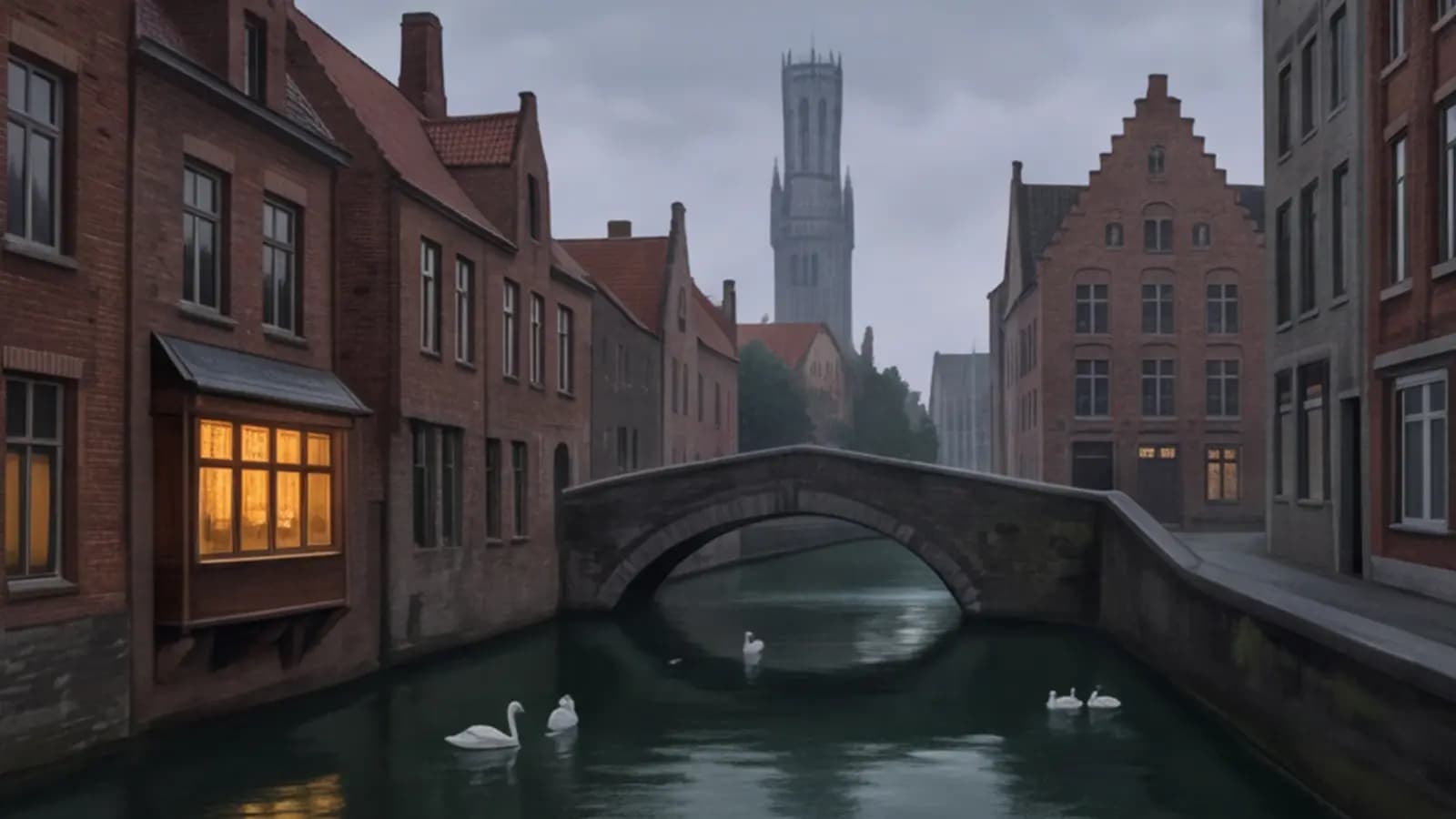
- Yandere stories A Pattern of PinsBruges in spring.
- Yandere stories The Lake Keeps What It LovesA cabin on a Finnish lake island, white nights, and a neighbour who is warm, funny and always near.
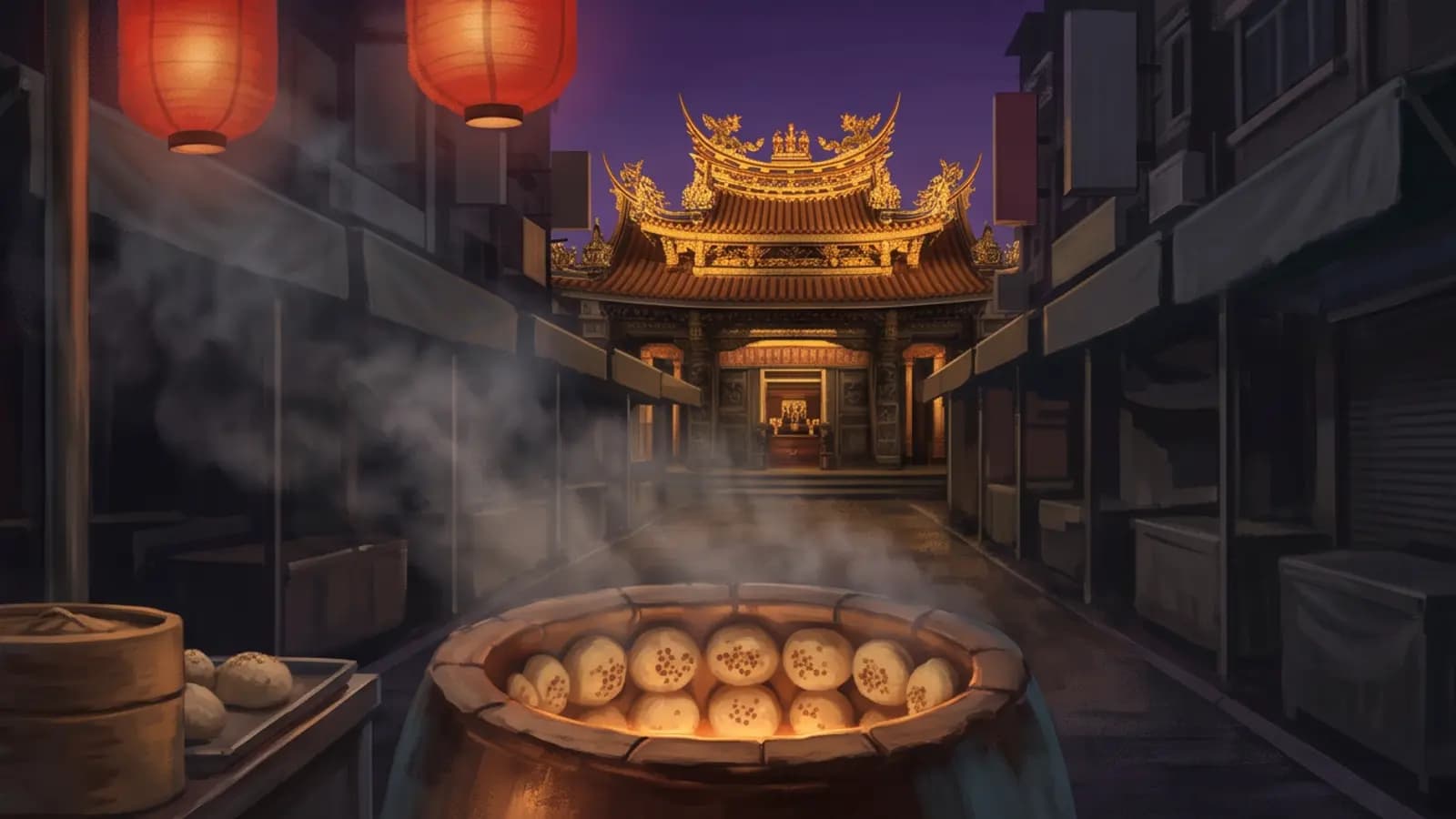
- Yandere stories Brown Sugar, Black PepperAt a Taipei night market, the cheerful new milk-tea seller across the aisle proposes on day one.

Warm under the surface
Tsundere
Sharp and prickly on the outside, tender underneath. The name joins “tsuntsun”, turning away in a huff, with “deredere”, lovestruck.
Play: A Pattern of PinsPlay this storyKuudere
Calm, cool and hard to read; the “kuu” is the Japanese borrowing of the English “cool”. The feeling is there, shown in small acts instead of words.
Play: The Lake Keeps What It LovesPlay this storyDandere
Silent and shy, from “danmari”, silence. A dandere says almost nothing in company and opens up to the one person who waits.
Play: Brown Sugar, Black PepperPlay this story
Hearts worn openly
Deredere
Sweet, cheerful and openly affectionate with everyone. “Deredere” is the lovestruck half of every other name on this list, here with nothing hiding it.
Play: The Fourth MusePlay this storyBakadere
Clumsy, scatterbrained and loving, from “baka”, fool. The bakadere means well, breaks things and is forgiven.
Play: The Lake Keeps What It LovesPlay this storyByoukidere
Gentle and kind, and seriously ill, from “byouki”, illness. Stories with this type are tender and often sad.
Play: Brown Sugar, Black PepperPlay this story
Proud and commanding
Himedere
Wants to be treated as a princess, from “hime”, whether or not she is one. Under the demands sits a wish to be noticed.
Play: A Pattern of PinsPlay this storyOujidere
The male twin of the himedere, from “ouji”, prince. He expects service and admiration and is puzzled when they are not given.
Play: The Night Train to BakuPlay this storyKamidere
Sees a god in the mirror and lesser beings everywhere else, from “kami”, god. For this type, admitting a feeling means admitting a need.
Play: The Ash GatePlay this story
Dangerous devotion
Yandere
Loving and gentle until the love turns to obsession, from “yanderu”, to be sick. A yandere will remove anyone who stands near the beloved.
Play: The Light in the East WingPlay this storyYangire
Not a dere in the strict sense: sweet in manner and suddenly violent, with no love behind it. The word swaps “dere” for “kire”, to snap.
Play: The Rooftop RoomPlay this story
What the types of dere mean
The types of dere are fan labels for how a character behaves toward a loved one. “Dere” is short for “deredere”, a Japanese word for being lovestruck.
The first half of each name tells what covers the feeling: coldness, silence, pride or something darker. The labels grew up among fans of anime, manga and visual novels and are not official terms.
They describe girls and boys alike, and one character can mix two types.
Dere types as story characters
A dere type is a promise of change. The reader knows there is warmth behind the mask and waits for the scene where it shows.
The type works when it has a reason. A tsundere snaps because she fears being laughed at; a kuudere stays cool because feeling once cost too much.
Without a reason the label is only a habit of speech.
A dere character in a played story
On PlayAIStories the game builds the world and the cast from one line and shows them before the first scene. Names, roles and tempers can be changed there, so a rival can be made prickly or a guard silent.
Characters speak in their own voices and remember what was said to them. How much a character trusts the hero is among the things that help or hinder a risky move.