
Guide
Crime fiction: the kinds of mysteries, from whodunit to noir
Crime fiction is the family of stories built around a crime: who did it, how, and what it costs to find out. Its kinds differ in mood and in hero, from a village puzzle over tea to a city where nobody is clean.
Play a story like this
Ready stories from the library. The first scene opens right away, no account needed.


The puzzle
Whodunit
A murder, a closed circle of suspects and a detective who names the guilty one at the end. The clues are laid out fairly, so the reader can try to get there first.
Play: The Wrong WaterPlay this storyLocked-room mystery
The impossible crime. A body lies in a room locked from the inside, or on snow with no footprints, and the question is less who than how.
Play: The Sixty-Hour VaultPlay this storyCozy mystery
A gentle whodunit in a small community. The sleuth is an amateur, a baker, a librarian, a gardener, and violence stays off the page.
Play: The FracturePlay this storyInverted detective story
The reader sees the crime and the culprit first. The suspense is in watching the detective find the one mistake in a plan that looked perfect.
Play: The Silver Falcon’s MaskPlay this story
The street
Hardboiled
A private detective works a city where the police and the rich are as crooked as the criminals. The style grew in American pulp magazines: tough, dry and told in the first person.
Play: The Blue Lantern WaltzPlay this storyNoir
The hero is no detective but someone caught in the crime: a victim, a suspect, the one who did it. One bad decision leads to the next, and things rarely end well.
Play: Cabin NinePlay this storyHeist
A crew plans and carries out a theft. The story has three movements: gathering the specialists, the plan, and the moment the plan goes wrong.
Play: The Pelikaan WeekendPlay this story
The system and the regional schools
Police procedural
The hero is a team, not a lone genius. The story follows real police work: the scene, the interviews, the lab, the paperwork, and often several cases at once.
Play: Snow at SludyankaPlay this storyLegal thriller
The fight happens in court. A lawyer takes a case that looks lost, and the truth has to be dug out through witnesses, evidence and procedure.
Play: The Night Train to BakuPlay this storyNordic noir
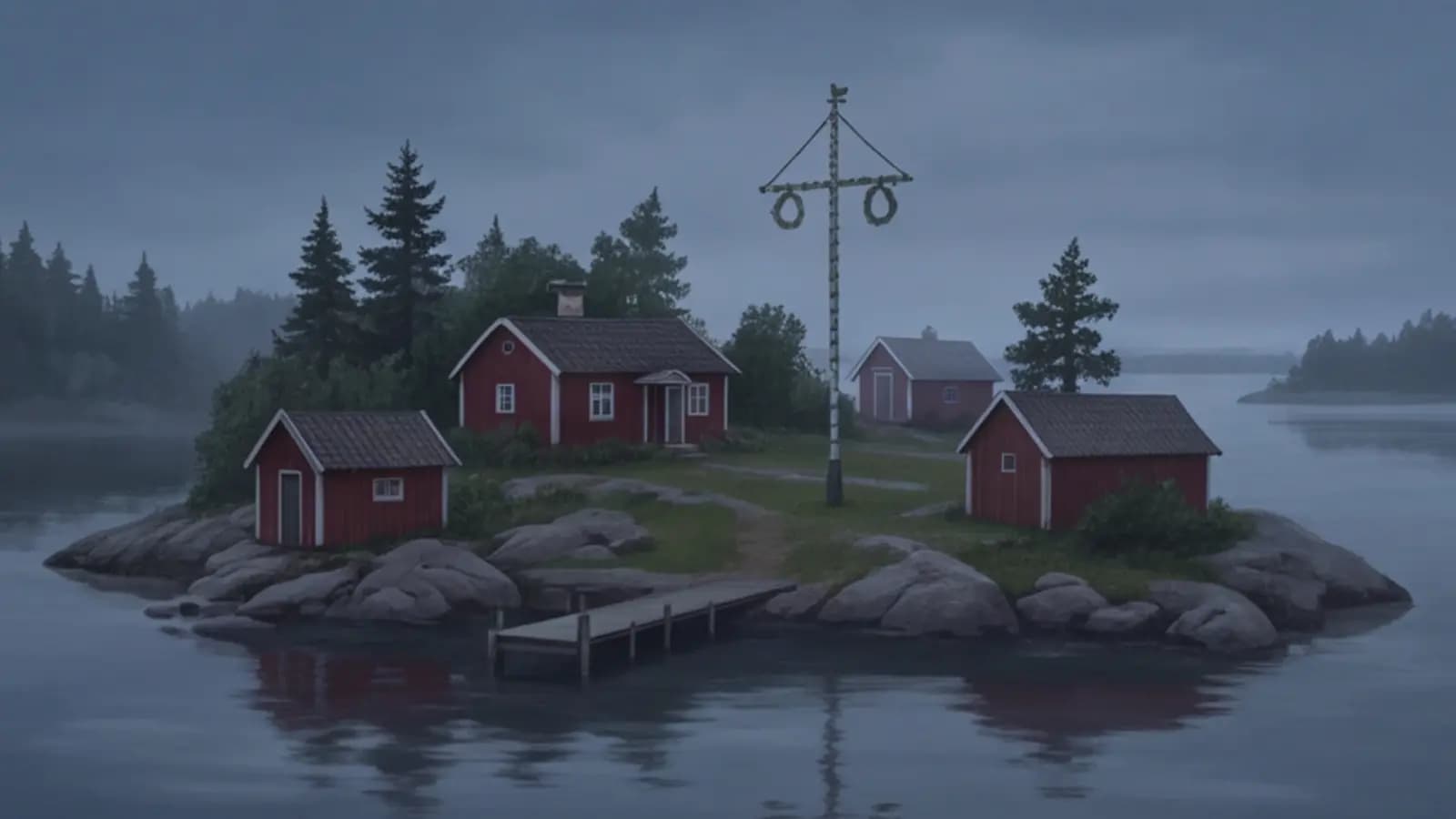
Crime stories from Scandinavia: long winters, plain prose and a tired detective with troubles at home. The case usually opens a crack in a society that looks orderly.
Play: One Line of FootprintsPlay this storyMediterranean noir
Crime under the sun of the southern port cities. Heat, food and the sea fill the page, and behind the murder stand corruption and organized crime.
Play: The Zaozyorsk FilePlay this story
How the kinds of crime fiction differ
The first question is who investigates. It can be an amateur, a private detective, a police team or a lawyer, and each sees a different side of the crime.
The second is what the story promises. A whodunit promises a fair puzzle and a solution. Noir promises no such comfort: the crime is solved, if at all, and the world stays as it was.
The third is place. Nordic and Mediterranean noir show how much a setting does: the same murder reads differently in snow and in heat.
Playing the detective
In a book the detective asks the questions. In a played story the player does: whom to press, which lead to follow, when to accuse.
On PlayAIStories every scene ends with several choices and a field for a move of one’s own. Characters remember what was said to them, so a suspect caught in a lie in one scene behaves differently in the next.
Risky moves, such as a bluff or a search without a warrant, are settled by a die. Before the choice the game shows the odds in plain words and what helps or hinders.