
Guide
Magic system: how fantasy builds magic with rules and costs
A magic system is the set of rules a fantasy world gives its magic: where the power comes from, what it costs and what it cannot do. This guide covers hard and soft magic and the parts every system needs, each with a premise to play.
Play a story like this
Ready stories from the library. The first scene opens right away, no account needed.
- Pirate fantasy The Seventh VoyageA whaling cutter sails north to cut the heart from a white leviathan.
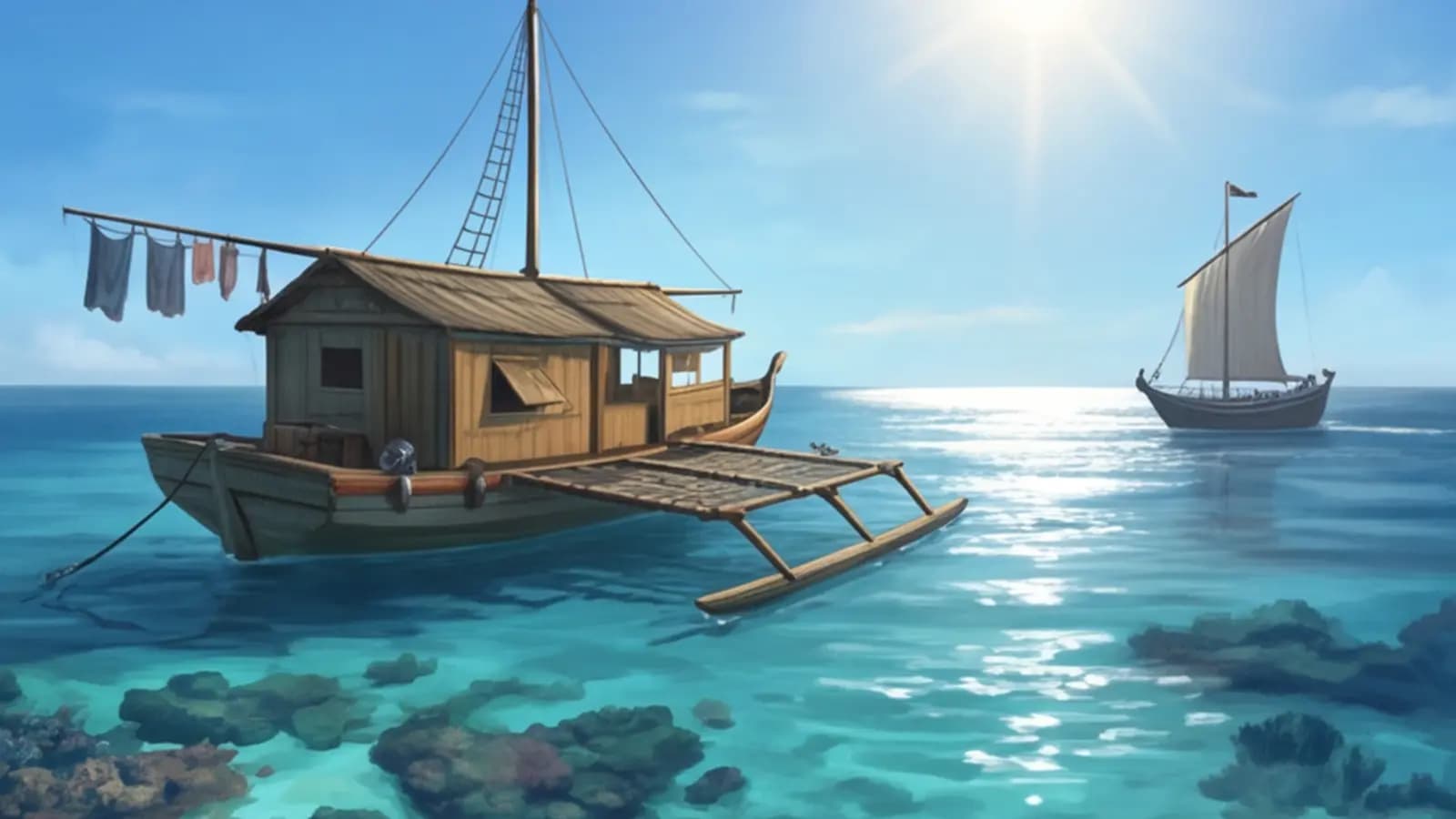
- Pirate fantasy Sixty FathomsA sea-nomad free-diver hears a bronze bell ring sixty fathoms below the reef, on the morning the Sultan orders the boat clans ashore for good.
- Ghost stories Dead Air on Line FourA radio host in Winnipeg answers the line that only rings in blizzards.


Hard and soft magic systems
Hard magic
The rules are spelled out, so the reader knows what magic can and cannot do. Heroes can then win with it through wit, because the reader can follow the solution.
Play: The Seventh VoyagePlay this storySoft magic
The rules stay hidden and the power keeps its wonder. Because nobody knows its limits, it works best when it makes trouble instead of solving it.
Play: The FracturePlay this storySomewhere in between
Hard and soft are two ends of a line, not two boxes. Many worlds give a few firm rules and leave the rest in shadow.
Play: Sixty FathomsPlay this story
Parts of a magic system
Source
Where the power comes from: the caster’s body, a god, the land, a metal, a pact. The source decides who controls magic and who could take it away.
Play: The Ash GatePlay this storyCost
What a spell takes in return: strength, years, memories, money, a debt. A cost turns every use of magic into a choice.
Play: The Truthful InkPlay this storyLimits
What magic cannot do. In Jack Vance’s Dying Earth stories a magician memorises spells and forgets each one as it is cast, so a wizard carries only a few.
Play: Never Say Thank YouPlay this storyWho can use it
Inborn talent, study, bloodline or luck. In Ursula K. Le Guin’s Earthsea magic is an inborn gift sharpened by training at a school on the island of Roke.
Play: The Butcher’s HostagePlay this storyConsequences
What magic does to the world around it. In Earthsea every great spell can shake the balance of the world, so wizards are taught to use it with care.
Play: Three Tons of HeartburnPlay this story
What a magic system is
A magic system is the logic behind magic in one fictional world. It answers where power comes from, who can use it, what it costs, and where it stops.
Without such rules a reader cannot tell what is possible, and any danger can be undone with a spell. With them, magic becomes something the characters can plan with, misuse and pay for.
Hard magic vs soft magic
The fantasy author Brandon Sanderson set out the two ends of the scale in a 2007 essay. His First Law reads: “An author’s ability to solve conflict with magic is directly proportional to how well the reader understands said magic.”
He gave Tolkien as the model of soft magic. Readers rarely learn what a wizard can do, so Gandalf cannot simply fly anyone to the end of the quest. When he does use great power, he pays for it.
Magic system ideas to start from
A good start is one rule and one price. Magic that works only at sea, magic paid for in memories, magic that each family holds one word of.
The different kinds of power a system can rule over, from elemental magic to necromancy, are sorted in a separate guide on types of magic. Names for the spells themselves can come from the spell name generator.
Testing a magic system in play
On PlayAIStories a premise is written in one line, and it can state the magic’s rule and its price. The game builds the world and the cast from it and shows them before the first scene.
Each scene ends with several choices and a field for a move of one’s own. A risky spell is settled by a die, with the odds shown in plain words first. The story keeps a record of what happened, so a price paid early can come due later.