
Guide
Types of magic: the kinds of fantasy and folklore, explained
The types of magic in fantasy grew from what people once believed about the elements, the dead, words and blood. This guide sorts the main kinds, notes where each idea comes from, and gives each a premise to play.
Play a story like this
Ready stories from the library. The first scene opens right away, no account needed.
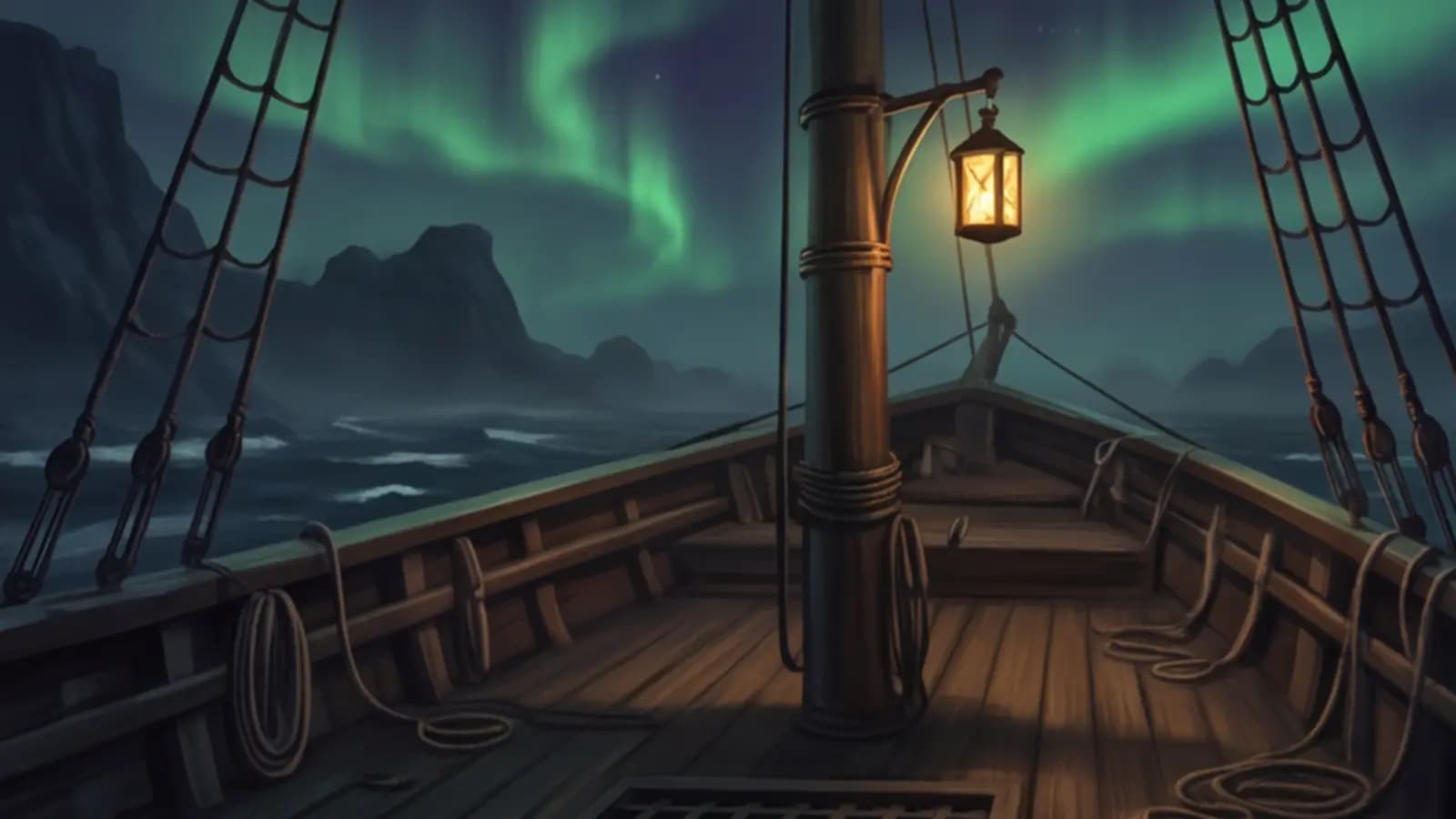
- Pirate fantasy The Seventh VoyageA whaling cutter sails north to cut the heart from a white leviathan.
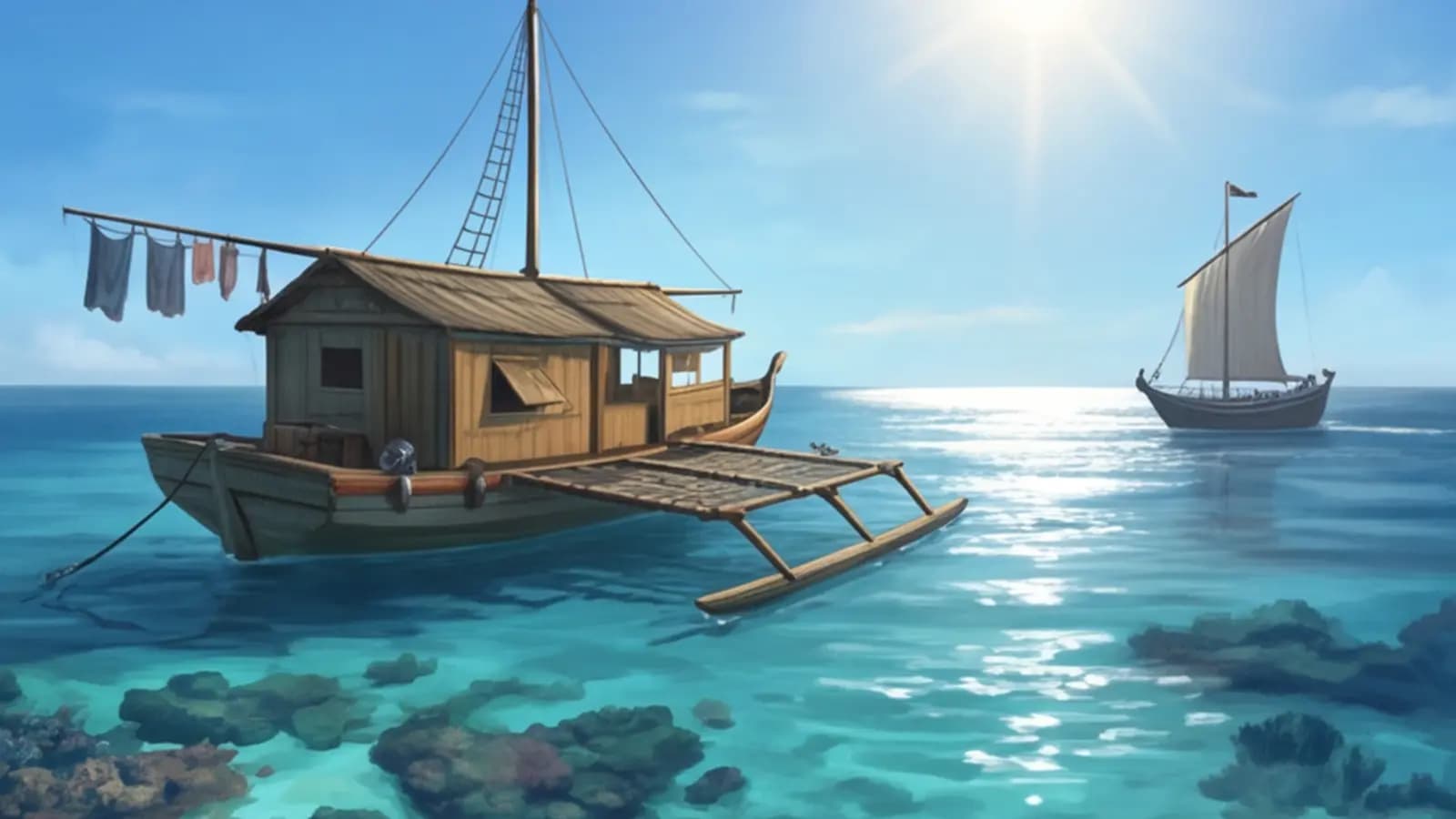
- Pirate fantasy Sixty FathomsA sea-nomad free-diver hears a bronze bell ring sixty fathoms below the reef, on the morning the Sultan orders the boat clans ashore for good.
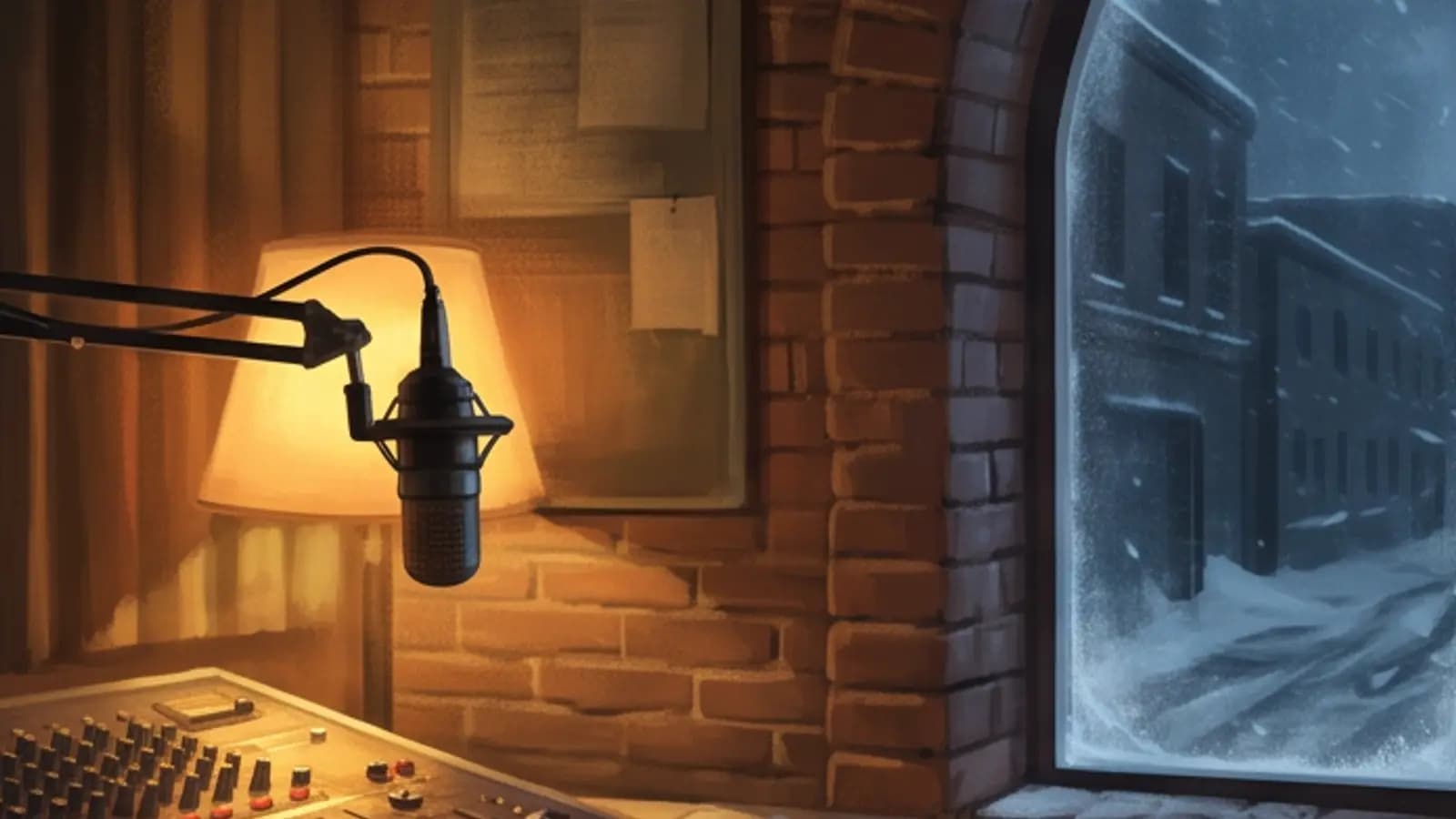
- Ghost stories Dead Air on Line FourA radio host in Winnipeg answers the line that only rings in blizzards.
Magic of the world’s matter
Elemental magic
Command of fire, water, earth and air. The four come from the Greek thinker Empedocles, around 450 BC; China counts five phases instead, with wood and metal.
Play: The Seventh VoyagePlay this storySympathetic magic
Like affects like, and what once touched stays connected. James Frazer named the idea in The Golden Bough in 1890. A doll stands for a person, and a lock of hair binds a spell to its owner.
Play: Sixty FathomsPlay this story
Magic of spirits and the dead
Necromancy
The word means divination by the dead, from Greek nekros, “corpse”, and manteia, “divination”. In the Odyssey Odysseus calls up the dead to question the seer Tiresias; fantasy widened it to raising them.
Play: Dead Air on Line FourPlay this storyDivine magic
Power granted by a god or saint, asked for in prayer rather than taken by study. In fiction its limit is the will of the one who grants it.
Play: The FracturePlay this storySummoning
Calling a spirit or creature and binding it to a task. In fantasy the danger lies in the terms of the bargain more than in the call.
Play: Agnes Won’t Go QuietlyPlay this story
Magic of words and signs
Rune magic
Rune comes from an old Germanic word for “secret” or “mystery”. In the Norse poem Hávamál, Odin hangs nine nights on a windswept tree before he takes up the runes.
Play: The Ash GatePlay this storyTrue names
To know the true name of a thing is to have power over it. Ursula K. Le Guin built her Earthsea books on this idea, starting with A Wizard of Earthsea in 1968.
Play: The Truthful InkPlay this storyIllusion
Magic that changes what is seen and heard, not what is there. It is the trickster’s art and the spy’s: a false face, a hidden door, a crowd that is not there.
Play: Never Say Thank YouPlay this story
Magic with a price
Blood magic
Spells fuelled by the caster’s own blood or someone else’s. Fantasy treats it as strong and forbidden, because the cost is paid in a body.
Play: Live from Unit 904Play this storyCurses
Magic meant to harm, often bound to an object or a place. A runestone in southern Sweden, carved around the 7th century, already promises an insidious death to whoever breaks it.
Play: The Butcher’s HostagePlay this story
Where the types of magic come from
Most types of magic in fantasy began as real beliefs. People once held that the world was made of a few elements, that the dead could speak, and that words and signs carried power.
Fantasy keeps these ideas and gives them rules. A spell in a novel is less a prayer or a charm than a tool, with a source, a cost and a limit.
Magic types and the people who use them
Each kind of magic suggests a kind of person. Elemental magic suits a soldier or a sailor, necromancy an outcast, illusion a thief or a performer, divine magic a priest who may lose faith.
Names for these figures come from the wizard name generator and the witch name generator. Their spells can be named with the spell name generator.
Magic in a played story
On PlayAIStories a premise is written in one line, and it can name any kind of magic and any rule for it. The game builds the world and the cast and shows them before the first scene.
Each scene ends with several choices and a field for a move of one’s own. A risky spell is settled by a die, with the odds shown in plain words first. A failed casting turns the story instead of ending it.