
Guide
High fantasy: invented worlds where everything is at stake
High fantasy is fantasy set in an invented world with its own history, peoples and magic, where the fate of that world hangs on the story. This guide covers the marks of the genre and its neighbours, each with a premise to play.
Play a story like this
Ready stories from the library. The first scene opens right away, no account needed.
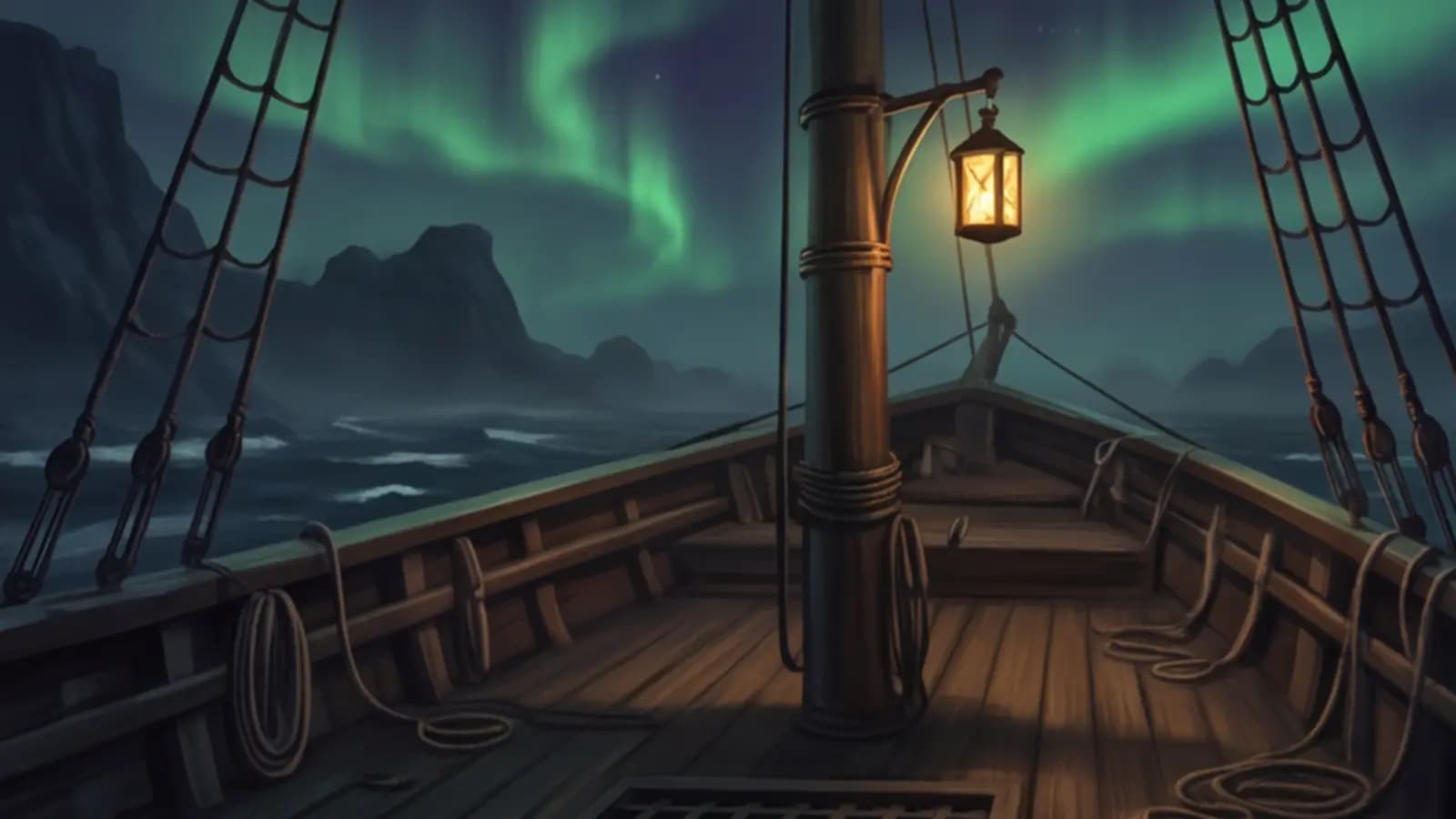
- Pirate fantasy The Seventh VoyageA whaling cutter sails north to cut the heart from a white leviathan.
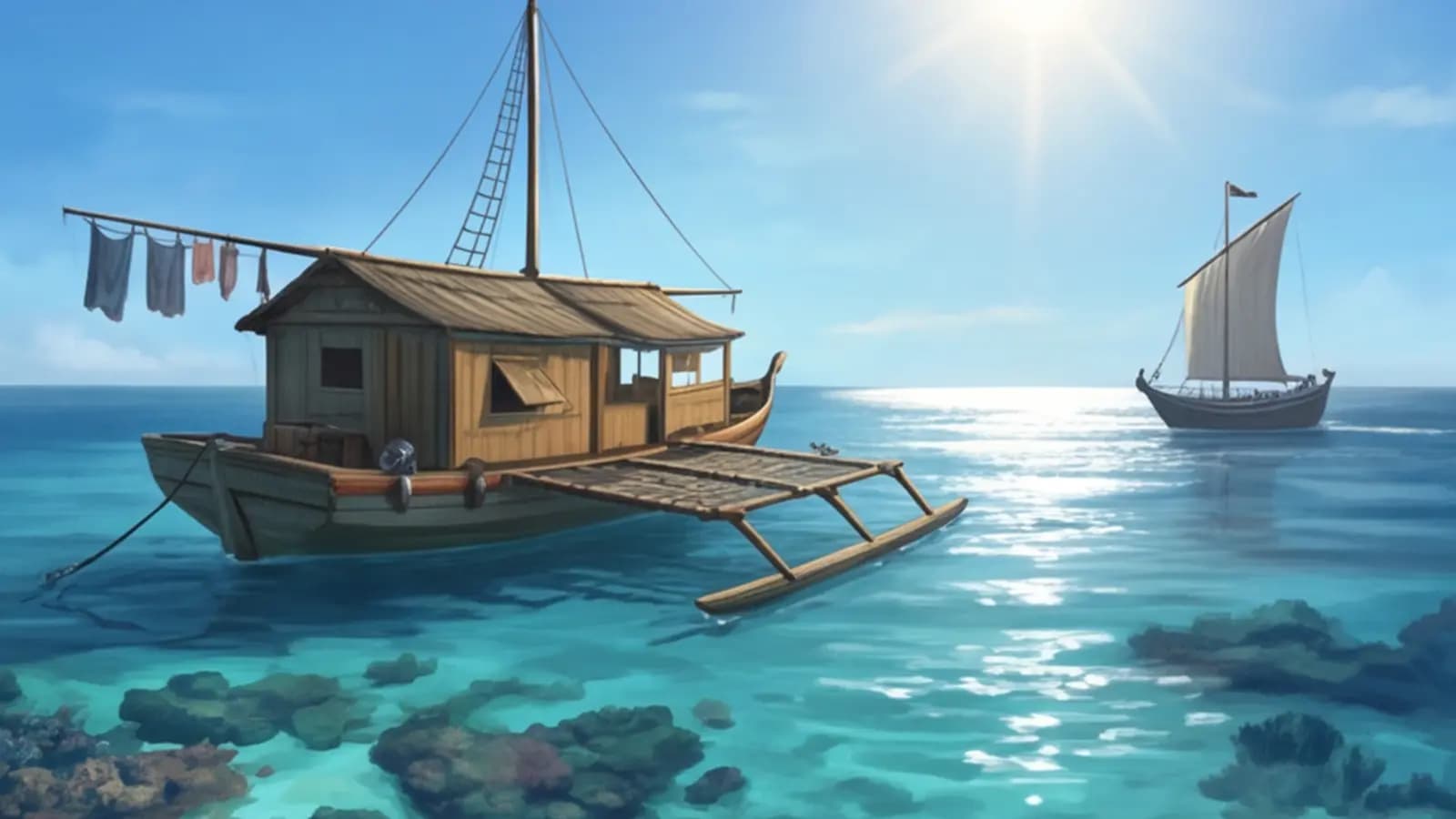
- Pirate fantasy Sixty FathomsA sea-nomad free-diver hears a bronze bell ring sixty fathoms below the reef, on the morning the Sultan orders the boat clans ashore for good.
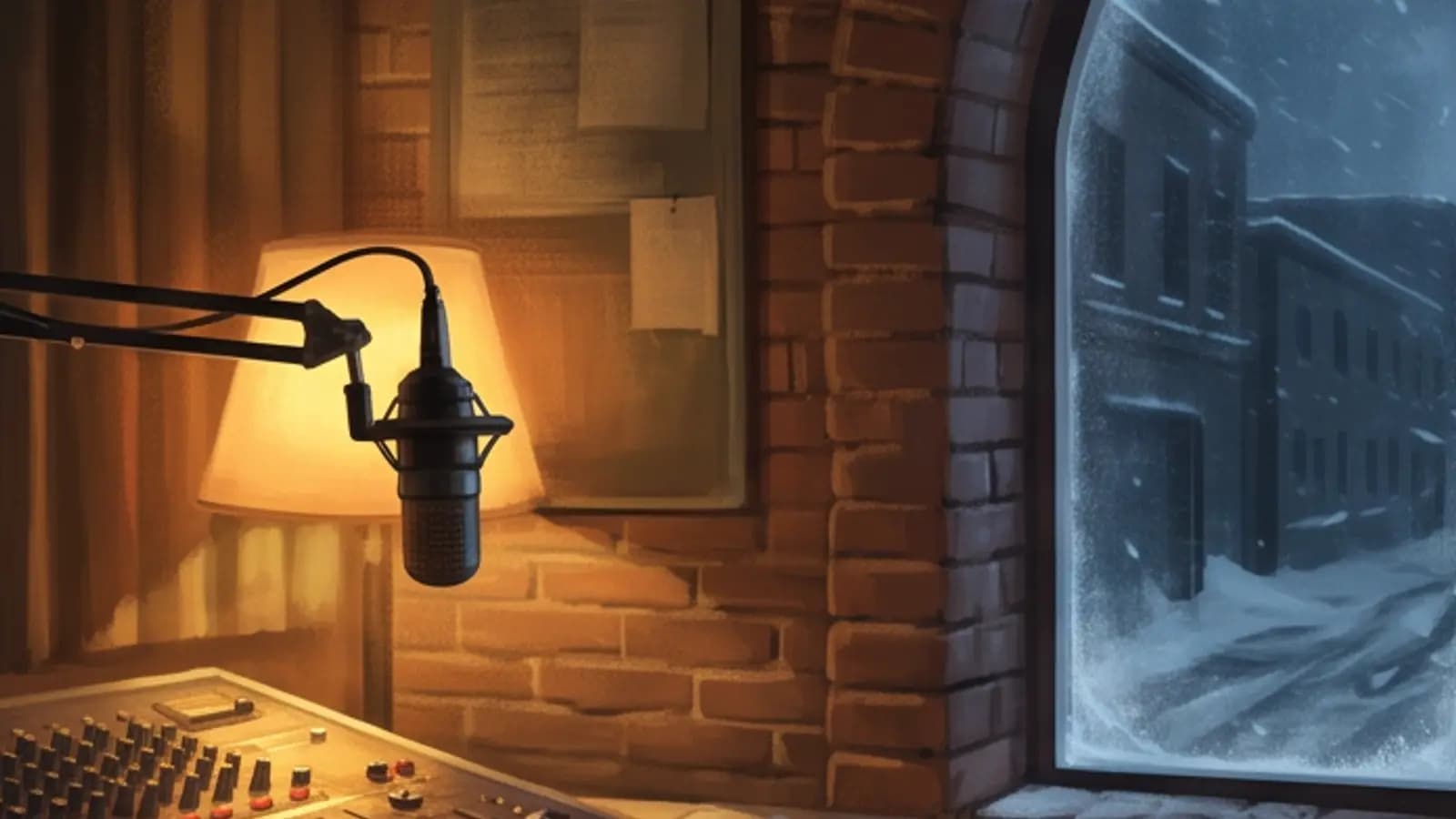
- Ghost stories Dead Air on Line FourA radio host in Winnipeg answers the line that only rings in blizzards.
Marks of high fantasy
An invented world
The story takes place in a world that is not ours, with its own map, history and rules. It holds together, even where its laws differ from ours.
Play: The Seventh VoyagePlay this storyA danger to the whole world
The stakes are not one village or one family. An old evil wakes, a seal breaks, a war threatens every land on the map.
Play: The FracturePlay this storyThe hero who starts small
The hero is often young, an orphan or the overlooked child of a family, and grows fast once the story begins. Their birth or past usually hides a secret.
Play: Dead Air on Line FourPlay this storyGood against evil
The conflict is moral as much as military. The enemy is usually plainly evil, and the hard choices fall on the side of the good.
Play: The Seventh VoyagePlay this storyMyth and magic
The setting often feels medieval and leans on myth and legend: sorcery, dragons, prophecies and peoples older than humans.
Play: The Purple Ink Is WetPlay this storyThe quest
The plot travels. A company crosses the map to carry, find or destroy something, and the road changes everyone who walks it.
Play: Dead Air on Line FourPlay this story
Neighbours of high fantasy
Epic fantasy
Another name for the same books. The word epic points at the size of what is at stake: wars, kingdoms and the fate of everyone on the map.
Play: Sixty FathomsPlay this storyLow fantasy
The opposite pole: our own ordinary world, where something magical slips in for a moment.
Play: Agnes Won’t Go QuietlyPlay this storyPortal fantasy
A person from our world crosses into an invented one. The second world is high fantasy; the traveller brings an ordinary pair of eyes into it.
Play: Live from Unit 904Play this storyDark fantasy
The invented world, met with dread instead of wonder. The stakes stay high, but heroes are greyer and victories cost more.
Play: The Truthful InkPlay this story
What high fantasy is
High fantasy is a branch of fantasy marked by the epic size of its setting, its characters or its plot. It is usually set in an invented world rather than in our own.
J. R. R. Tolkien called such a place a Secondary World, in his lecture “On Fairy-Stories”, given in 1939 and printed in 1947. His The Lord of the Rings, published in 1954 and 1955, is counted as the model of the genre.
Who named it
The writer Lloyd Alexander coined the term in his essay “High Fantasy and Heroic Romance”. He first gave it as a talk in 1969 and printed it in 1971.
The kind of book is older than the name. William Morris’s The Well at the World’s End of 1896 and E. R. Eddison’s The Worm Ouroboros of 1922 are often named as early examples.
High fantasy vs low fantasy
The difference is the world. High fantasy builds its own, with rules that are consistent but unlike ours. Low fantasy keeps our everyday world and lets something magical break into it, often leaving unclear whether it is real.
A story that starts in our world and crosses into another sits between the two, and has a name of its own: portal fantasy. When the invented world turns cruel, the book drifts toward dark fantasy.
An invented world, played scene by scene
On PlayAIStories one line with a premise is enough to start. The game builds the world and the cast and shows them before the first scene, where names, roles and tempers can be changed.
Each scene ends with several choices and a field for a move of one’s own. Risky moves, such as crossing a pass held by the enemy, are settled by a die. A failed roll turns the story instead of ending it.
The story keeps a record of what happened, so an oath sworn in the first chapter can come due in the last. Names for kingdoms and continents can come from the fantasy world name generator.