
Guide
LitRPG: the genre where a story runs on game rules
LitRPG is fiction in which the rules of a role-playing game shape the story: levels, skills, quests and status screens the hero can see and use. This guide covers the marks of the genre and its neighbours, each with a premise to play.
Play a story like this
Ready stories from the library. The first scene opens right away, no account needed.
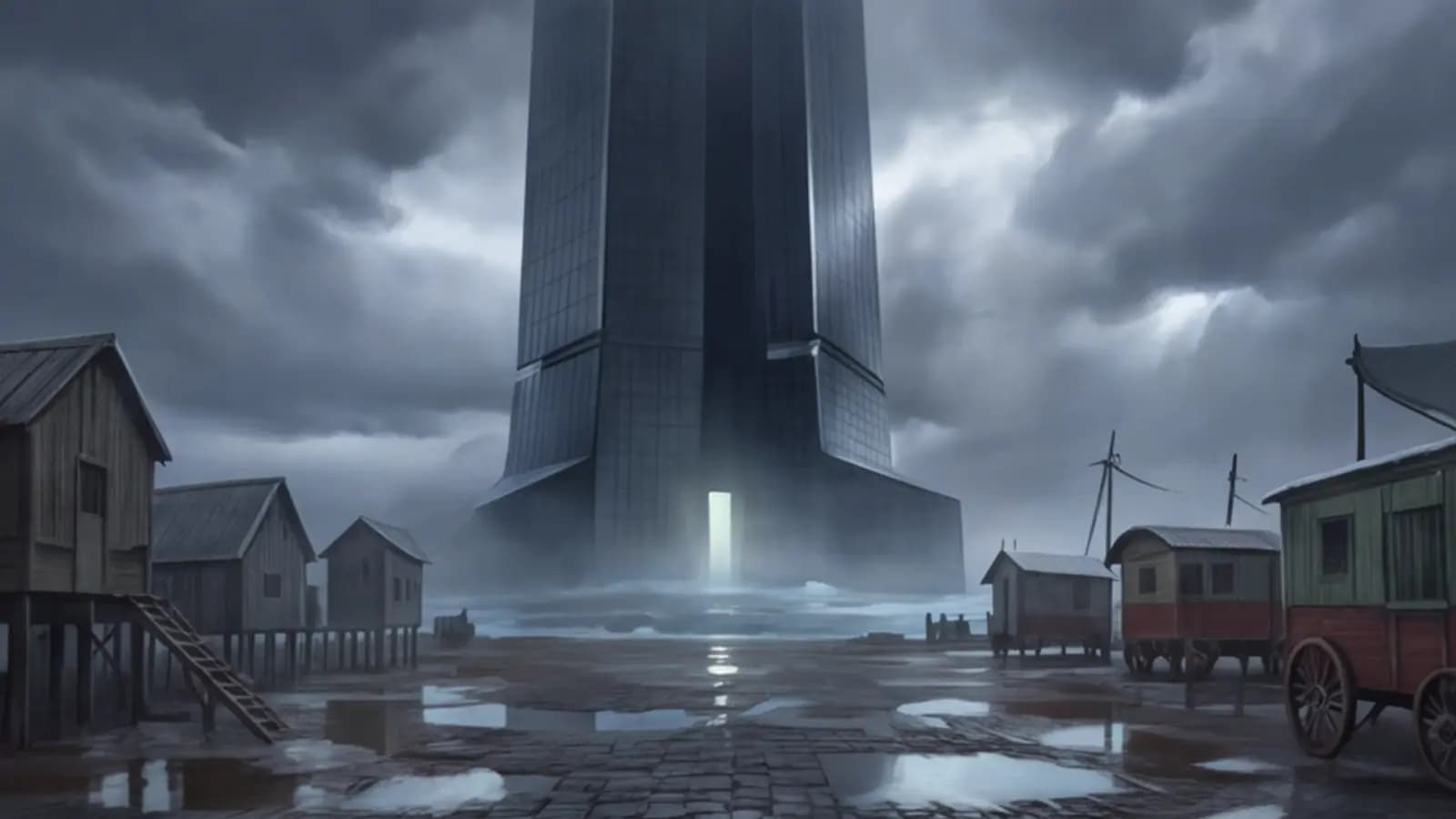
- LitRPG stories Bookkeeper, Level 1A black tower hands out Classes, and a fishmonger’s kid draws the worst one: Bookkeeper.
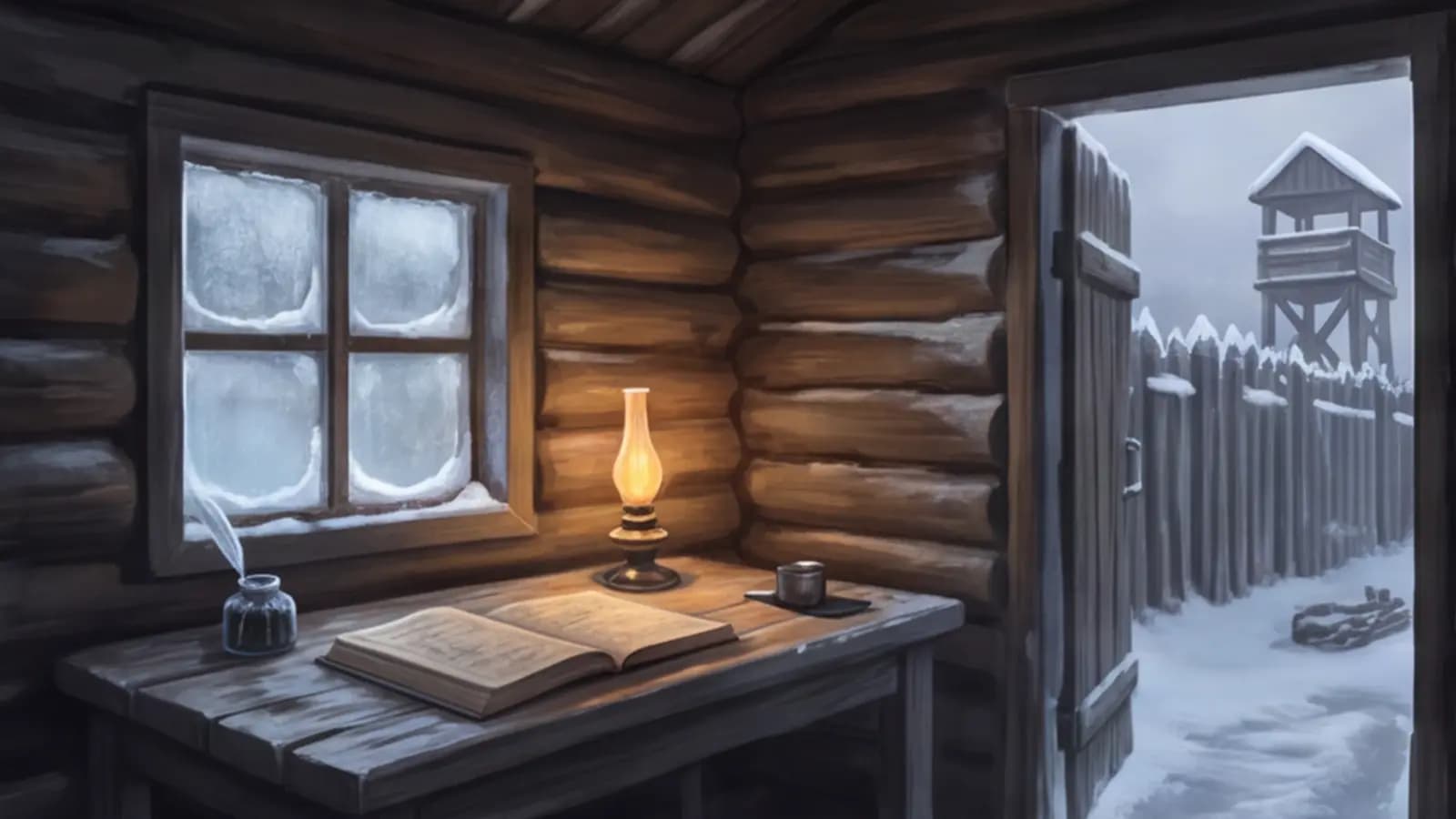
- LitRPG stories System Online: Lena, 1648A game tester wakes in 1648 in the body of a drowned clerk at a Siberian fort, with a quest window floating in the frost: survive the Long Night.
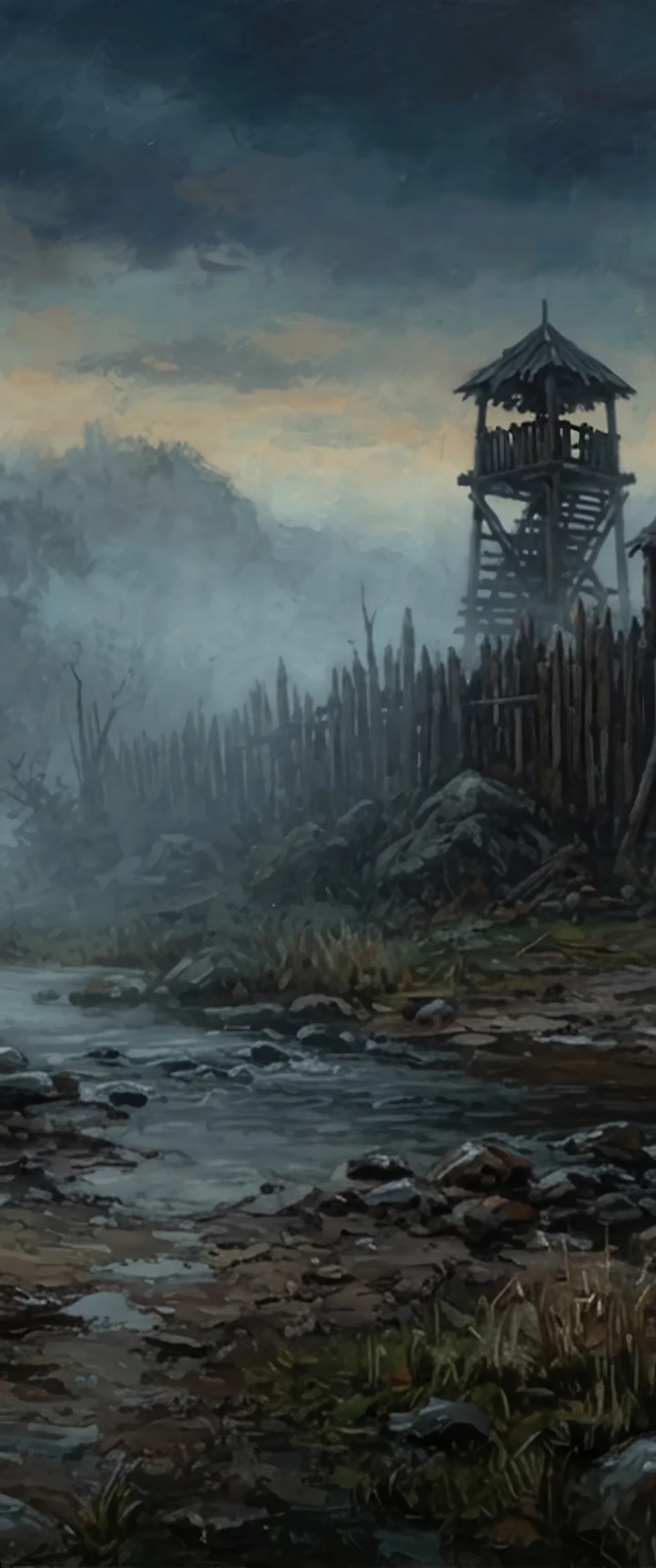
- Fantasy romance The Ash GateThe north road burned, the gate was opened from inside, and the warden has not slept in nine nights.
Marks of LitRPG
The visible system
The hero sees the rules at work: a status screen, a message announcing a new level, a note that a skill has improved. Readers follow the numbers along with the story.
Play: Bookkeeper, Level 1Play this storyLevels and experience
Growth is measured. Every fight, lesson or risk pays out in experience, and the next level changes what the hero can do.
Play: The FracturePlay this storyClasses and skills
A class sets a path and skills fill it in. Much of the pleasure lies in a clever build or an odd skill that turns out to matter.
Play: The Ash GatePlay this storyQuests
Tasks arrive as quests with a goal and a reward. The best stories ask who writes the quests and why.
Play: Bookkeeper, Level 1Play this storyTrapped in the game
Many stories are set in a fully immersive virtual game, and some in one the players cannot log out of. The danger in the game becomes danger in life.
Play: System Online: Lena, 1648Play this storyRules as the laws of the world
A LitRPG story does not have to take place inside a video game. In some, the rules simply arrive and become how reality works.
Play: Bookkeeper, Level 1Play this story
Neighbours of LitRPG
GameLit
The wider shelf of fiction in which games or their rules matter to the plot. LitRPG is one kind of GameLit, the kind with role-playing advancement.
Play: The Truthful InkPlay this storyProgression fantasy
Fantasy built around a hero’s powers growing step by step. It overlaps with LitRPG but needs no stats, classes or game screens.
Play: Dead Air on Line FourPlay this storyCultivation fiction
Chinese fantasy rooted in wuxia and xianxia, in which heroes rise through stages of training and power rather than through experience points.
Play: Ash Like SnowPlay this story
What LitRPG means
LitRPG, short for literary role-playing game, is fiction in which the rules and mechanics of role-playing games are part of the story. Characters know the rules and use them to grow or to get past what stands in the way.
It is most often fantasy, sometimes science fiction. What defines it is not the setting but the weight of the rules: the plot turns on attributes, classes, levels, quests and inventories.
Where the term came from
The name LitRPG appeared in Russia in 2013, when the publisher Eksmo launched a book series under that label. Russian online serials of the year before had already built stories around game worlds and levels.
Novels about people inside games existed in English from the late 1970s, but they rarely tracked numbers the way LitRPG does. The term GameLit spread in English discussions around 2017, and progression fantasy around 2019.
A LitRPG premise, played scene by scene
On PlayAIStories a story starts from one line with a premise. The game builds the world and the cast and shows them before the first scene, where names, roles and tempers can be changed.
The game has no status screen and no levels. The hero gets a trade and a few skills, and a skill tilts the odds when a risky move is settled by a die.
Each scene ends with several choices and a field for a move of one’s own. The system of a LitRPG premise lives in the story itself.
Players who want the feel of a solo campaign can read how an AI role-playing game runs here.