
Guide
Psychological horror: when the fear lives in the mind
Psychological horror frightens through the mind: doubt, suspicion, paranoia and a narrator who may not see straight. It keeps its monsters hidden or leaves open whether they exist at all. This guide covers its marks and its classic stories, each with a premise to play.
Play a story like this
Ready stories from the library. The first scene opens right away, no account needed.
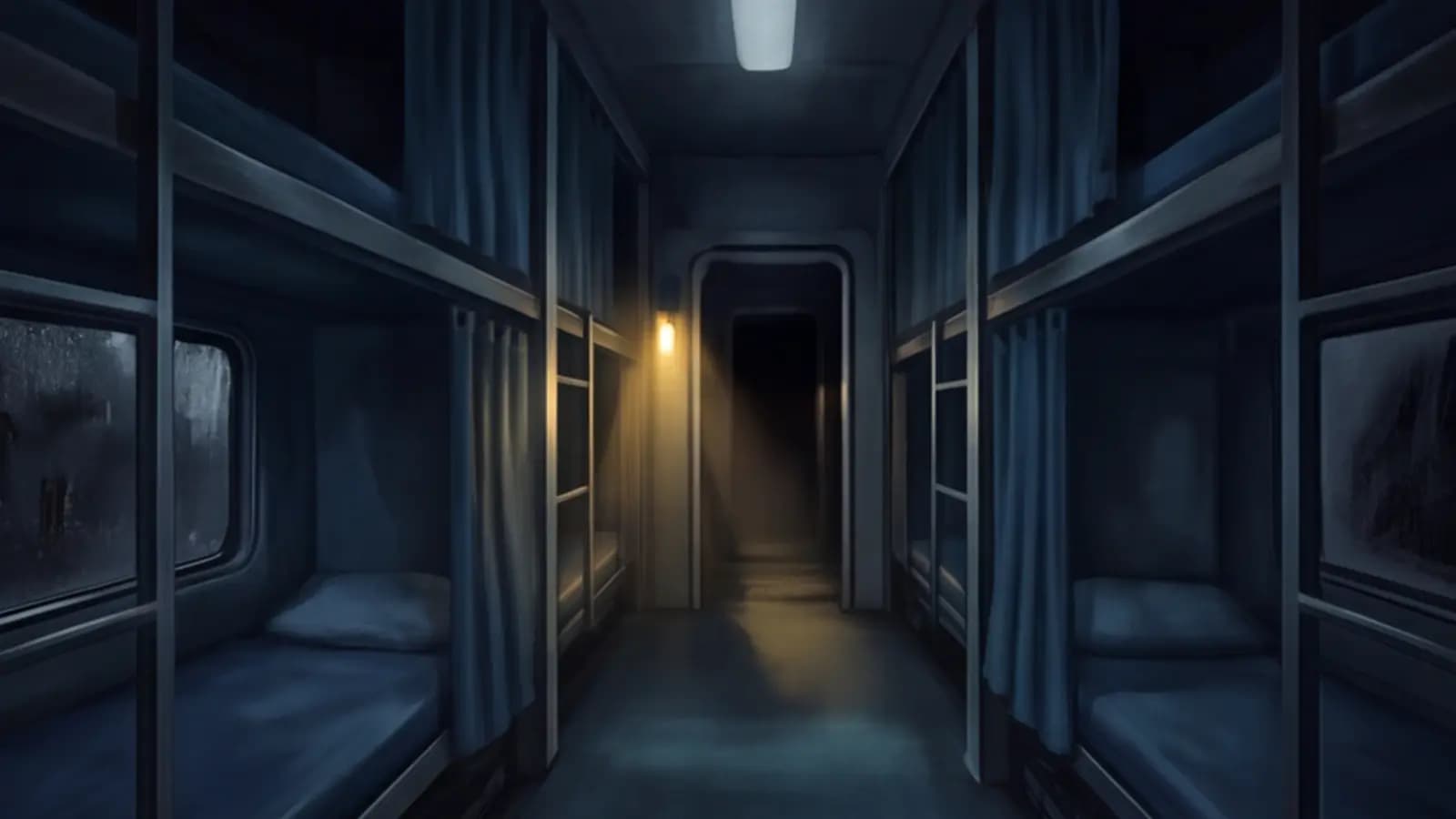
- Survival horror Nine Hundred in the DarkMonsoon landslides seal an overnight express inside a mountain tunnel.
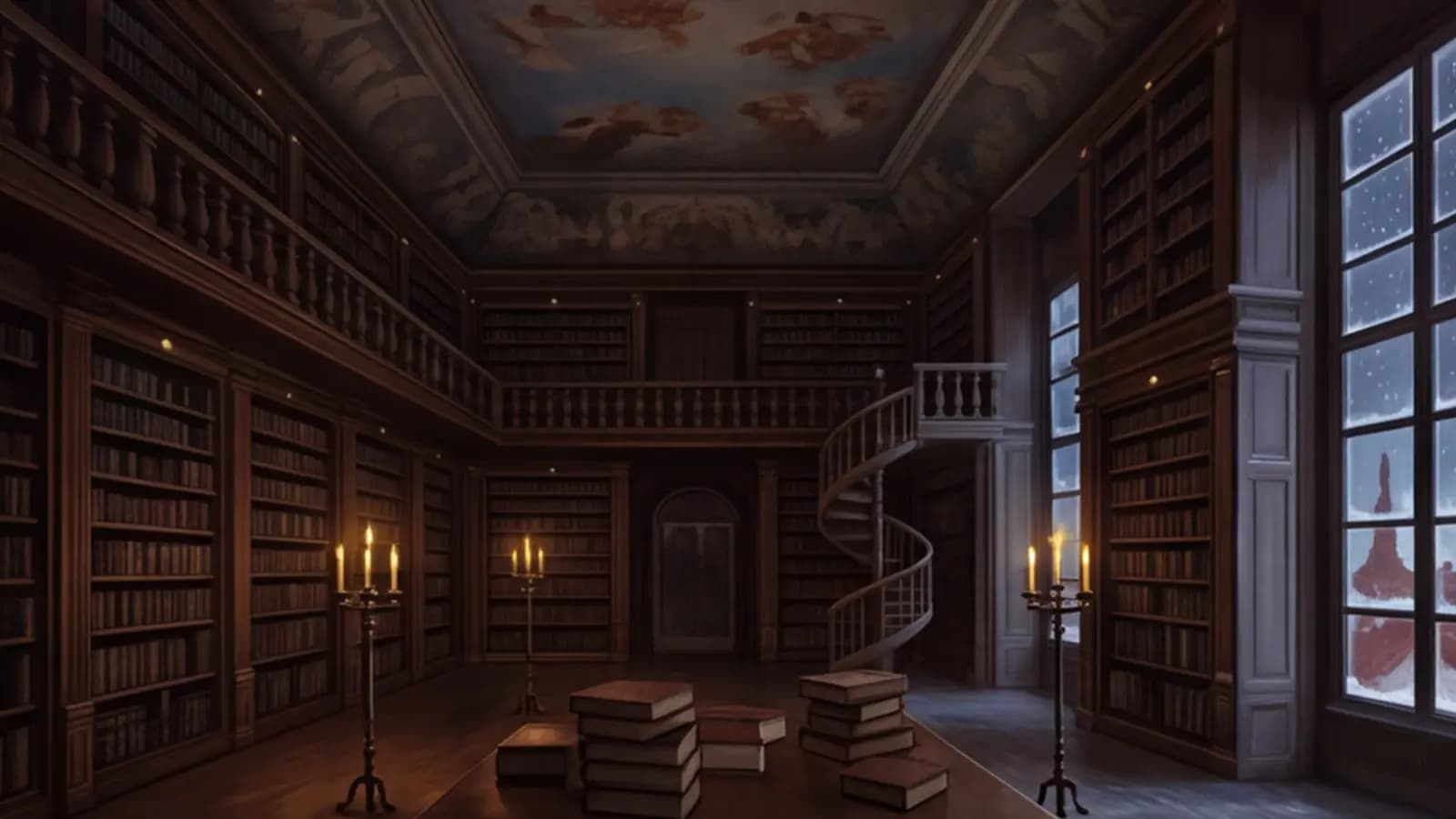
- Vampire stories The Red Book of Malá StranaPrague, January.
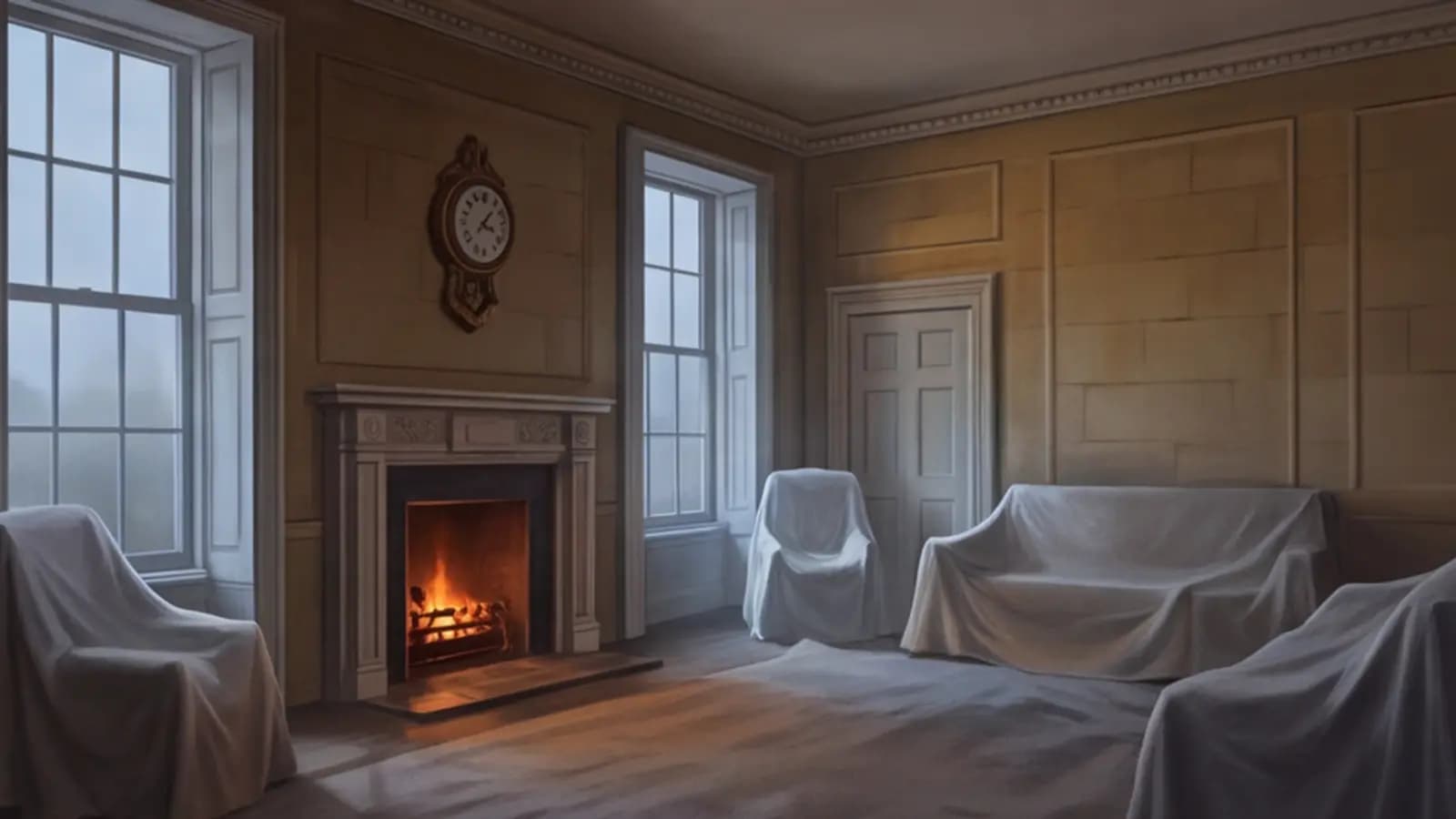
- Haunted house The House That Keeps TimeConstance Ruddock’s will leaves a sandstone house in Tasmania to whoever winds its thirteen clocks before midnight for thirty nights.
Marks of psychological horror
The unreliable narrator
The person telling the story may be wrong about it, or lying. The reader has to watch the gaps between what is said and what happened.
Play: Nine Hundred in the DarkPlay this storyDoubt about what is real
The characters are not sure of their own senses. A sound, a shadow or a missing hour may be a threat or may be nothing, and not knowing is the horror.
Play: The Red Book of Malá StranaPlay this storySuspicion and paranoia
Trust breaks down: of others, of the world and of oneself. The question shifts from what is out there to whom it is safe to believe.
Play: The Ash GatePlay this storyGaslighting
Someone else bends the character’s grip on reality on purpose: moved objects, denied conversations, a calm voice insisting it never happened.
Play: Nine Hundred in the DarkPlay this storyThe hidden monster
The threat stays mostly unseen. The genre leaves out the creature features and slashers whose danger is a body with teeth or a knife.
Play: The Yule Lads Come DownPlay this storyAn ending left open
Some of the best-known stories refuse to settle whether the ghost was real or the mind gave way. Both readings stand.
Play: Dead Air on Line FourPlay this story
Classic psychological horror stories
The Tell-Tale Heart
Edgar Allan Poe’s 1843 tale. A narrator who insists on his own sanity describes a murder, hides the body under the floor and then hears a heartbeat until he confesses.
Play: The Sixty-Hour VaultPlay this storyThe Yellow Wallpaper
Charlotte Perkins Gilman’s 1892 story. A woman confined to one room by her physician husband fixes on the wallpaper until she sees a woman trapped behind its pattern. Gilman drew on her own rest cure.
Play: The Red Book of Malá StranaPlay this storyThe Turn of the Screw
Henry James’s 1898 novella. A governess at a country house becomes sure that the ghosts of two former servants are reaching for the children in her care. Critics still argue whether the ghosts are real or hers.
Play: Agnes Won’t Go QuietlyPlay this storyThe Haunting of Hill House
Shirley Jackson’s 1959 novel. A researcher of the supernatural rents a house for a summer, and one guest, Eleanor, experiences what the others do not notice.
Play: The House That Keeps TimePlay this storyWe Have Always Lived in the Castle
Shirley Jackson’s 1962 novel, often named as a model of the genre. Two sisters live shut away from a hostile village, and the younger one tells the story.
Play: The FracturePlay this story
What psychological horror is
Psychological horror is horror that works through mental and emotional states to frighten and unsettle. Its stories often follow people who doubt what they see, or who are being manipulated by someone else.
That sets it apart from horror that threatens the body. Creature features and slashers fall outside it; a ghost may appear, but the story leaves room to doubt it. Its neighbours are gathered among the types of horror.
Fear that comes from inside
Many of these stories turn on a mind under strain, and the good ones treat it with care. The Yellow Wallpaper is read today as a protest against men deciding women’s health, as well as a horror story.
The scare comes from recognition: the small doubt everyone has had, made larger. Ghost stories often borrow the same trick.
A story of doubt, played scene by scene
On PlayAIStories one line with a premise is enough to start. The game builds the world and the cast and shows them before the first scene, where names, roles and tempers can be changed.
Each scene ends with several choices and a field for a move of one’s own. Risky moves, such as opening the locked door at last, are settled by a die, and a failed roll turns the story instead of ending it.
The story keeps a record of what happened, so a detail from the first scene can come back changed. Dark themes are allowed, and such stories carry an 18+ mark.