
Guide
Noir: the marks of the genre and its kinds, with story ideas
Noir is crime fiction told from inside a bad decision: a city at night, a tired detective, a client who lies. This guide lists the marks of the genre and its kinds, each with a premise to play.
Play a story like this
Ready stories from the library. The first scene opens right away, no account needed.
The marks of noir
The city at night
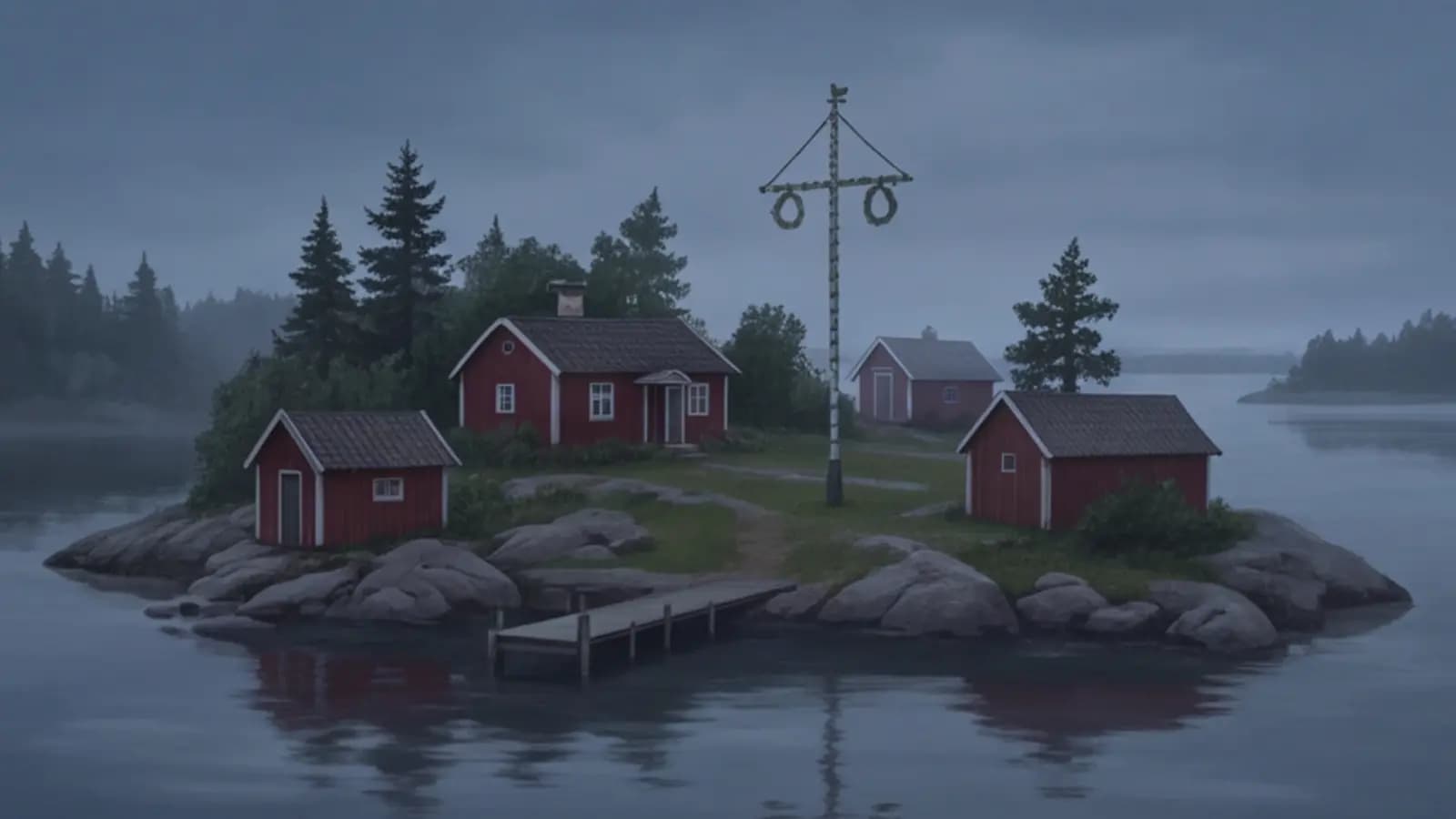
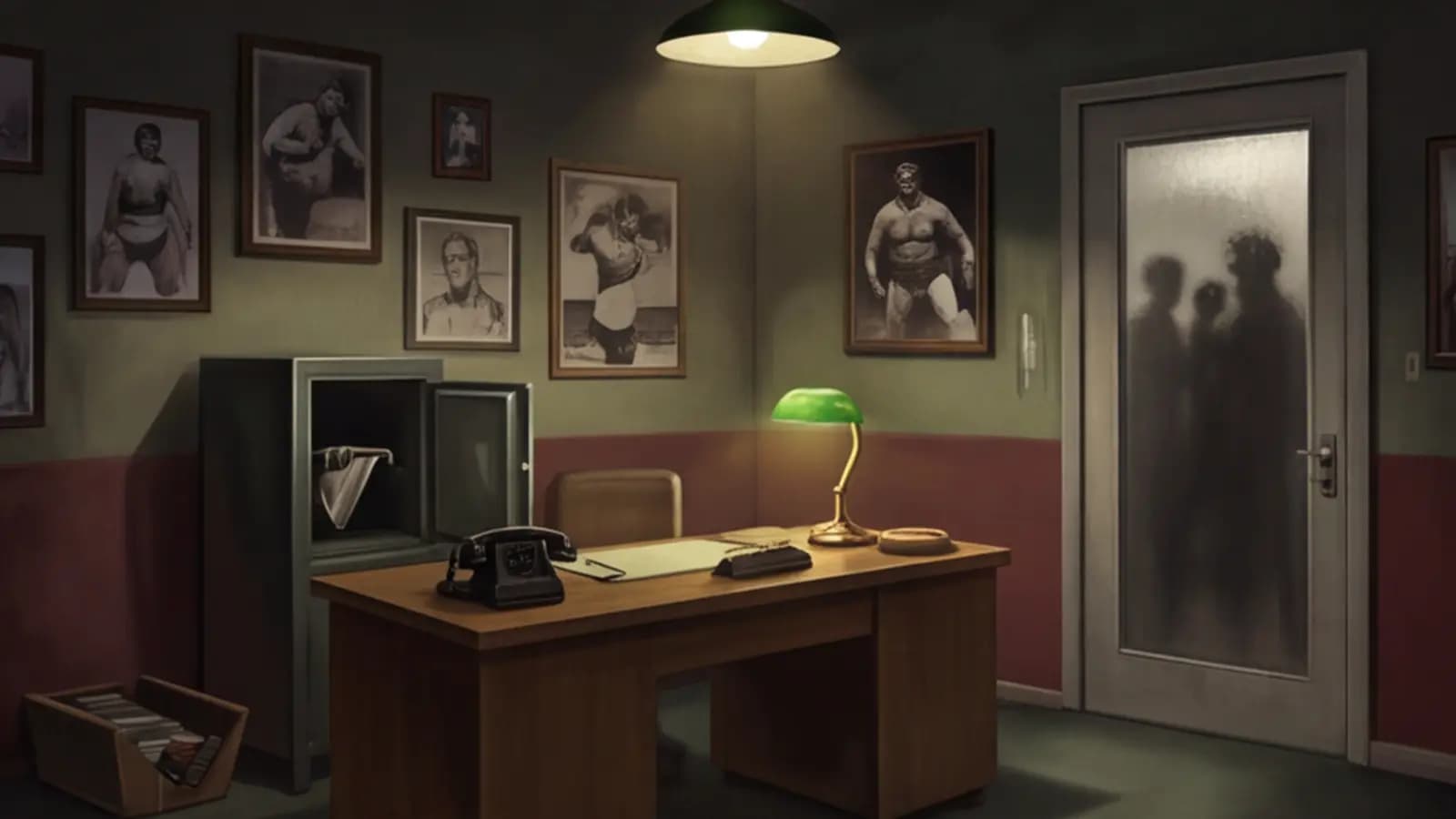
Rain, alleys, signs, an office lit by one lamp. The look comes from the classic films, shot in black and white with more shadow than light.
Play: The Wrong WaterPlay this storyThe compromised detective
A private investigator or a plain-clothes policeman, tough, cynical and not quite clean. He has one line that he will not cross, and the case is built to find it.
Play: The Silver Falcon’s MaskPlay this storyThe client who lies
The job is never what the client says it is. The first lie sets the case moving, and the truth behind it is what the detective stumbles on.
Play: The Blue Lantern WaltzPlay this storyThe femme fatale
French for “fatal woman”: a mysterious, seductive figure whose charm leads the hero into a trap. In the classic plot she talks a man into killing her husband for money.
Play: The Wrong WaterPlay this storyThe fatal choice
One step taken for money, love or pride, after which every way out is worse. The mood is fatalistic: the hero sees the trap and walks on.
Play: Promised to the SaltPlay this storyThe story told afterwards
Noir is often told in flashback and in the hero’s own voice, when it is already too late. The teller knows the ending, and the tone is that of a confession.
Play: The Wrong WaterPlay this story
Kinds of noir
Classic noir
The American crime films of the 1940s and 1950s. The name film noir, “black film”, was given to them in 1946 by the French critic Nino Frank.
Play: The Sutler of KitzbrunnPlay this storyThe hardboiled detective story
The tough detective fiction that grew up in American pulp magazines in the 1920s, the years of Prohibition. Its detective bends the law and still wants justice.
Play: The Sixty-Hour VaultPlay this storyNeo-noir
Stories from the 1960s onward that share the marks of classic noir and know the tradition they are playing with.
Play: The Wrong WaterPlay this storyTech noir
Noir crossed with science fiction: a dark city of the future where technology is a threat and not a rescue.
Play: Cabin NinePlay this storyRural noir
Noir moved out of the city to farm country, small towns and back roads. In Australia the same kind is called outback noir.
Play: Two Deeds to Bonanza CreekPlay this story
What noir is
Noir is a kind of crime story marked by cynicism, corruption and a sense that things will end badly. The word is French for “black”.
It names both films and books. The films took their shadowed look from German Expressionist cinema and their plots from American hardboiled fiction. In print, the Paris publisher Gallimard used the word in 1945 for its crime series, the Série Noire.
Critics still disagree on whether noir is a genre, a style or a mood. In practice a story is called noir when the marks above meet in one place.
Noir and the detective story
A detective story ends with order restored: the puzzle is solved and the guilty are named. Noir may solve the puzzle too, but nothing is put right.
The two also differ in whom they follow. A hardboiled story follows a detective who keeps his ethics. Noir in the strict sense follows a victim, a suspect or the culprit, caught in a corrupt system.
Noir as a played story
On PlayAIStories one line with a premise is enough to start. The game builds the world and the cast and shows them before the first scene, where names, roles and tempers can be changed.
Each scene ends with several choices and a field for a move of one’s own. Risky moves, such as searching a client’s desk, are settled by a die. A failed roll turns the story instead of ending it.
Characters remember what was said to them, so a lie told in the first chapter can come back in the third.