
Guide
What is cyberpunk: the genre’s building blocks and neighbours
What is cyberpunk? It is science fiction of high technology and low life, set in a near future where corporations rule and the streets pay for it. Its building blocks and neighbour genres follow, each with a premise to play.
Play a story like this
Ready stories from the library. The first scene opens right away, no account needed.
- Space opera Icarus CupA solar-sail race dives past the Sun once every eleven years.
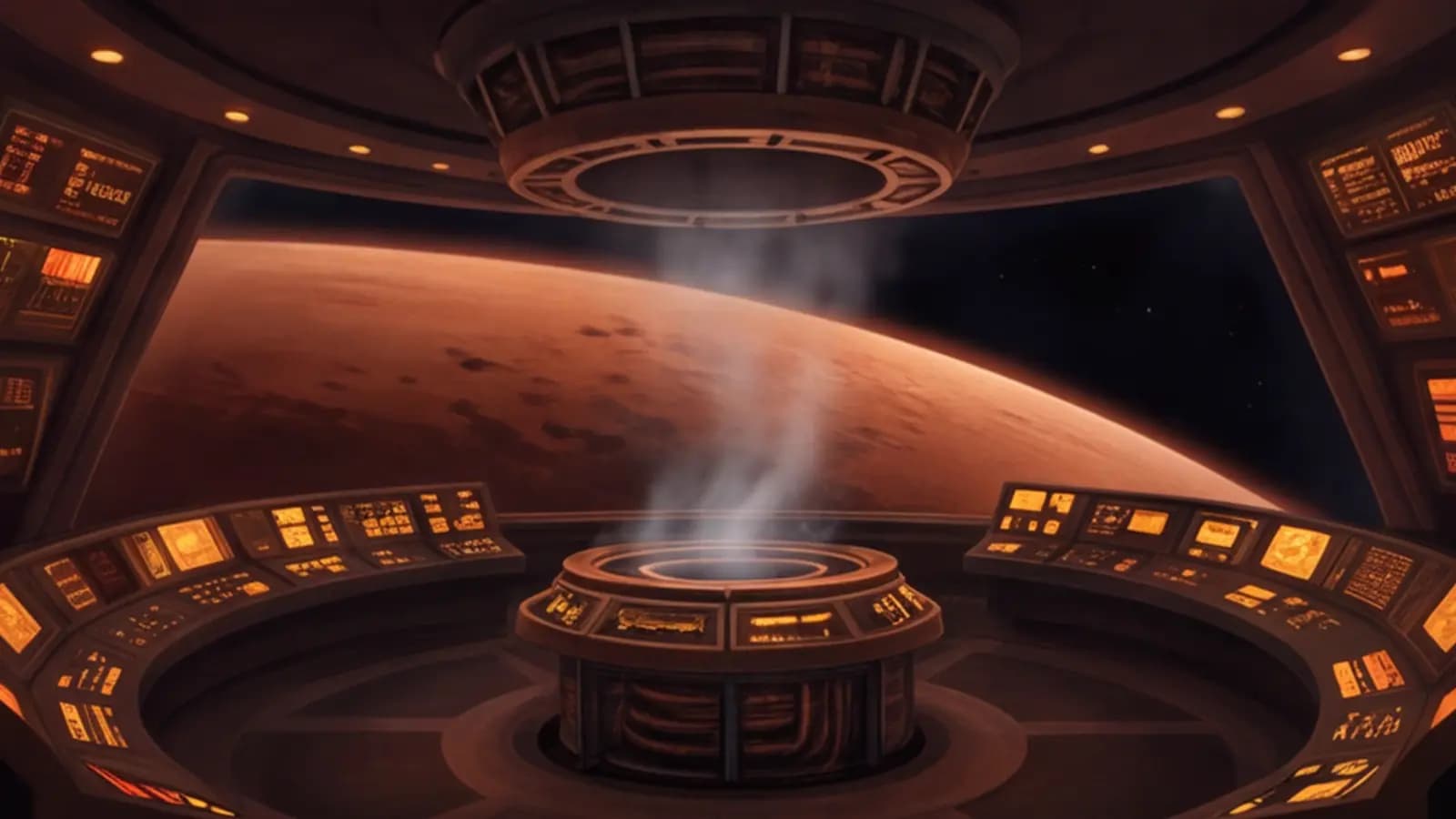
- Space opera Before the Minds SetA systems engineer on a station orbiting Mars wakes up in the commander’s body after a mind-transfer test misfires, with seventy-two hours to switch back.
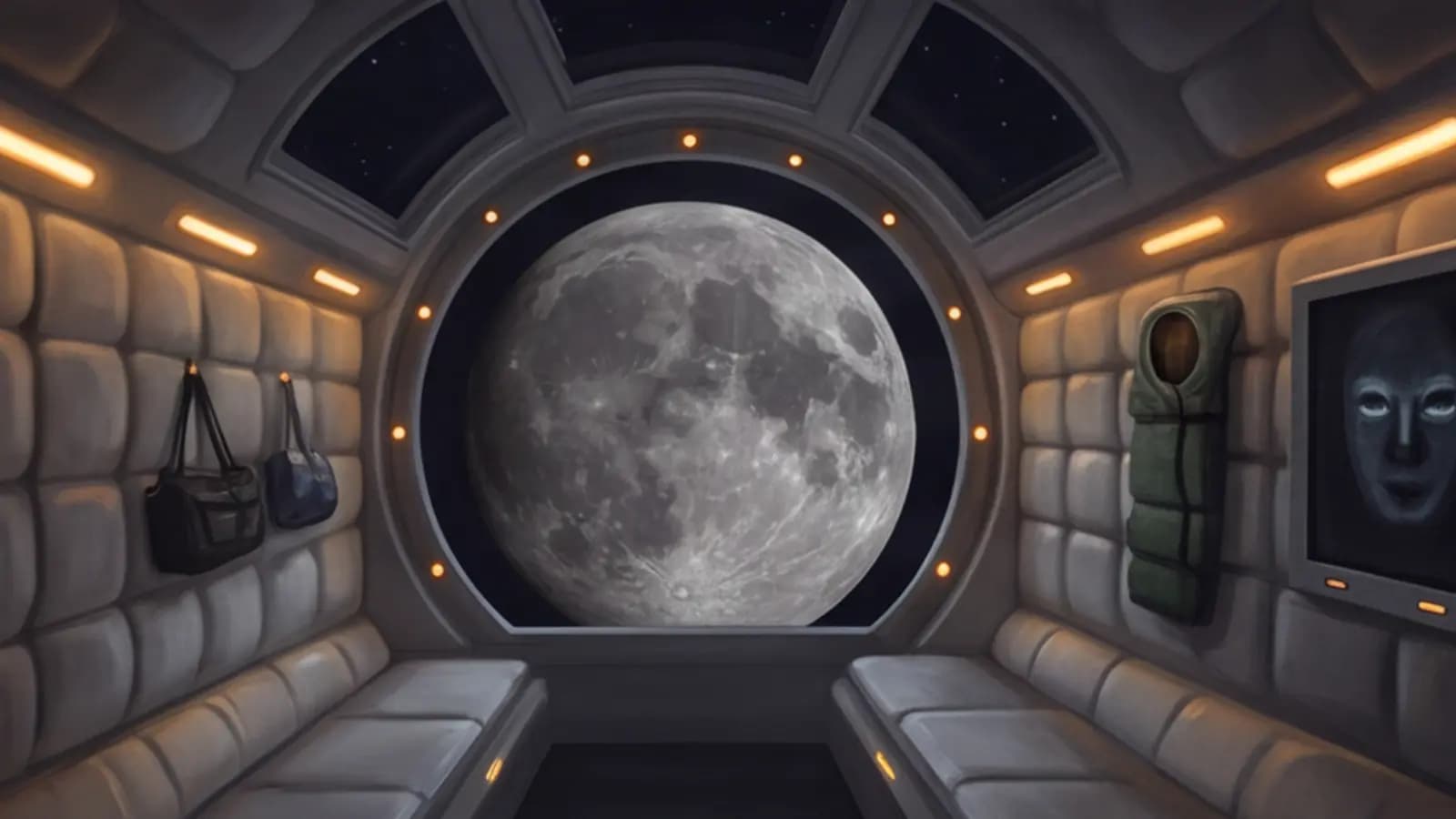
- Sci-fi The Station Is in LoveBeyond the far side of the Moon, a relay station’s AI falls in love with its engineer.

Building blocks of cyberpunk
Megacorporations
Companies bigger than states, with their own police and their own wars. Government in cyberpunk is weak or bought.
Play: Kedrograd-7Play this storyThe net
A shared virtual space entered through a machine linked to the mind. William Gibson named it cyberspace in a story of 1982 and called it a “consensual hallucination” in his novel Neuromancer.
Play: Icarus CupPlay this storyBody augmentation
Cyberware: artificial eyes, limbs and nerves wired into the body. The genre keeps asking how much can be replaced before the owner is someone else.
Play: Before the Minds SetPlay this storyArtificial minds
Machine intelligences that run networks and have aims of their own. Many plots turn on a three-way fight between them, the hackers and the corporations.
Play: The Cayambe CablePlay this storyThe neon city
A huge, crowded, artificial city. The cities of the genre owe much to Japan and Hong Kong.
Play: The Brass NightingalePlay this storyStreet-level heroes
Loners on the edge of society: couriers, fixers, thieves, hired guns. They do not save the world. They try to survive one job.
Play: Nine Apple TreesPlay this storyThe hacker
The one who breaks into guarded systems. Gibson’s Neuromancer drew on early hacker culture and on the punk subculture.
Play: Cool HoursPlay this story
Neighbour genres
Post-cyberpunk
Keeps the networks and the augmented bodies and drops the assumption that the future must be a dystopia. Lawrence Person defined the term in 1998.
Play: The Draw of YearsPlay this storyBiopunk
Swaps the wires for biology: people are changed by genetic engineering, not by machines. It emerged in the 1990s and deals with what biotechnology does that nobody intended.
Play: The Green VaultPlay this storySolarpunk
The reverse of cyberpunk in mood: a future of renewable energy where technology helps people live with nature and each other. The name was coined in 2008.
Play: The Station Is in LovePlay this storySteampunk
Advanced machines built on the technology of the age of steam. The word was coined in jest in 1987.
Play: The Colonel of the Belle OmbrePlay this storyTech noir
Science fiction with the mood of film noir: dark cities, cynical leads, technology as a threat. It overlaps with cyberpunk and is the colder of the two.
Play: The Wrong WaterPlay this story
What is cyberpunk, in short
Cyberpunk is a kind of science fiction set in a dystopian near future, where advanced technology sits beside social decay. The usual summary is “high tech, low life”.
The word comes from “Cyberpunk”, a short story by Bruce Bethke, written in 1980 and published in 1983. The editor Gardner Dozois then made it the name of a whole movement.
The genre grew out of the New Wave science fiction of the 1960s and 1970s. Its mood comes from film noir and hardboiled detective stories. This page is about the genre, not about the games that share its name.
How the neighbours differ
The neighbour genres differ from cyberpunk in two things: which technology they look at and how much hope they allow.
Biopunk changes the technology and keeps the fear. Post-cyberpunk keeps the technology and eases the fear. Solarpunk turns the mood around.
Cyberpunk as a played story
On PlayAIStories one line with a premise is enough to start. The game builds the world and the cast and shows them before the first scene, where names, roles and tempers can be changed.
Each scene ends with several choices and a field for a move of one’s own. Risky moves, such as breaking into a corporate archive, are settled by a die, and the odds are shown in plain words first.
The story keeps a record of what happened, so a favour owed to a fixer in the first chapter can come due later.