
Guide
Dark romance: what the shelf means, its tropes and how it differs
Dark romance is the name readers give to love stories built around danger: morally grey leads, crime, obsession and redemption that may never come. This guide explains what the shelf holds, its common tropes and how it differs from romance and from horror, with a premise for each trope.
Play a story like this
Ready stories from the library. The first scene opens right away, no account needed.
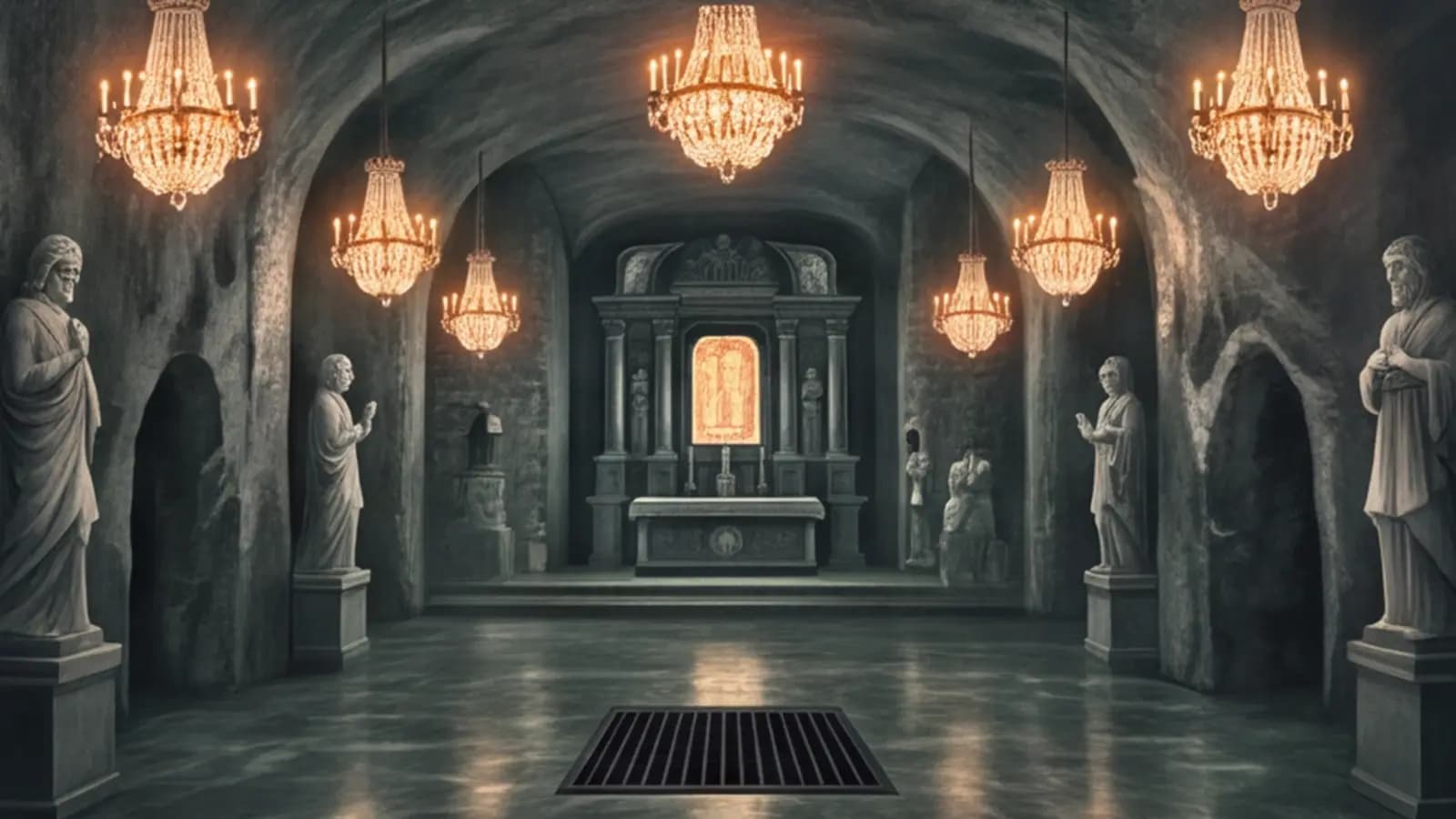
- Dark romance Promised to the SaltA salt-mining town near Kraków draws one name every fifty years to marry the lord bound at the bottom of the mine.
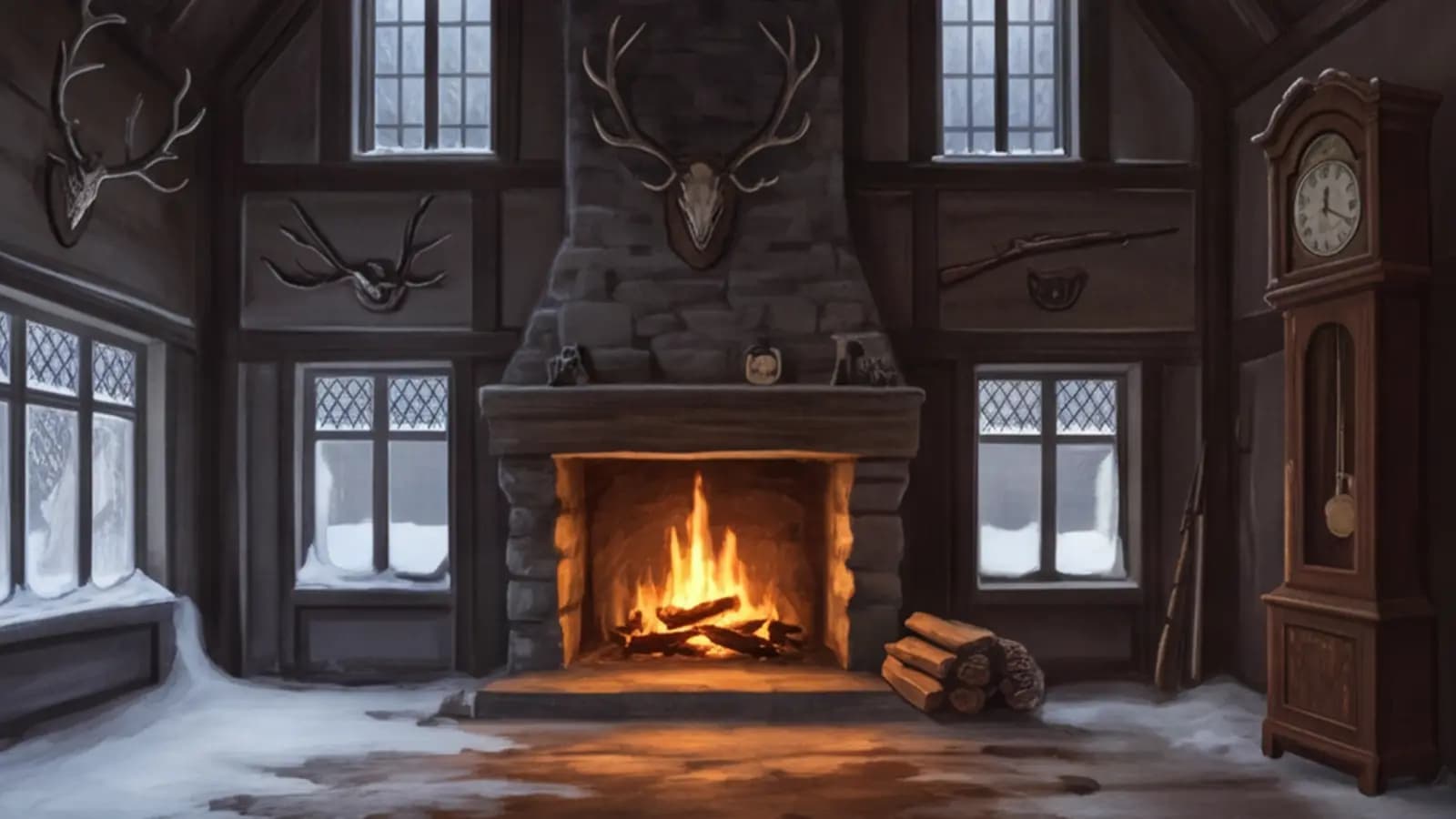
- Dark romance A Year on the RabenkopfBlack Forest winter.
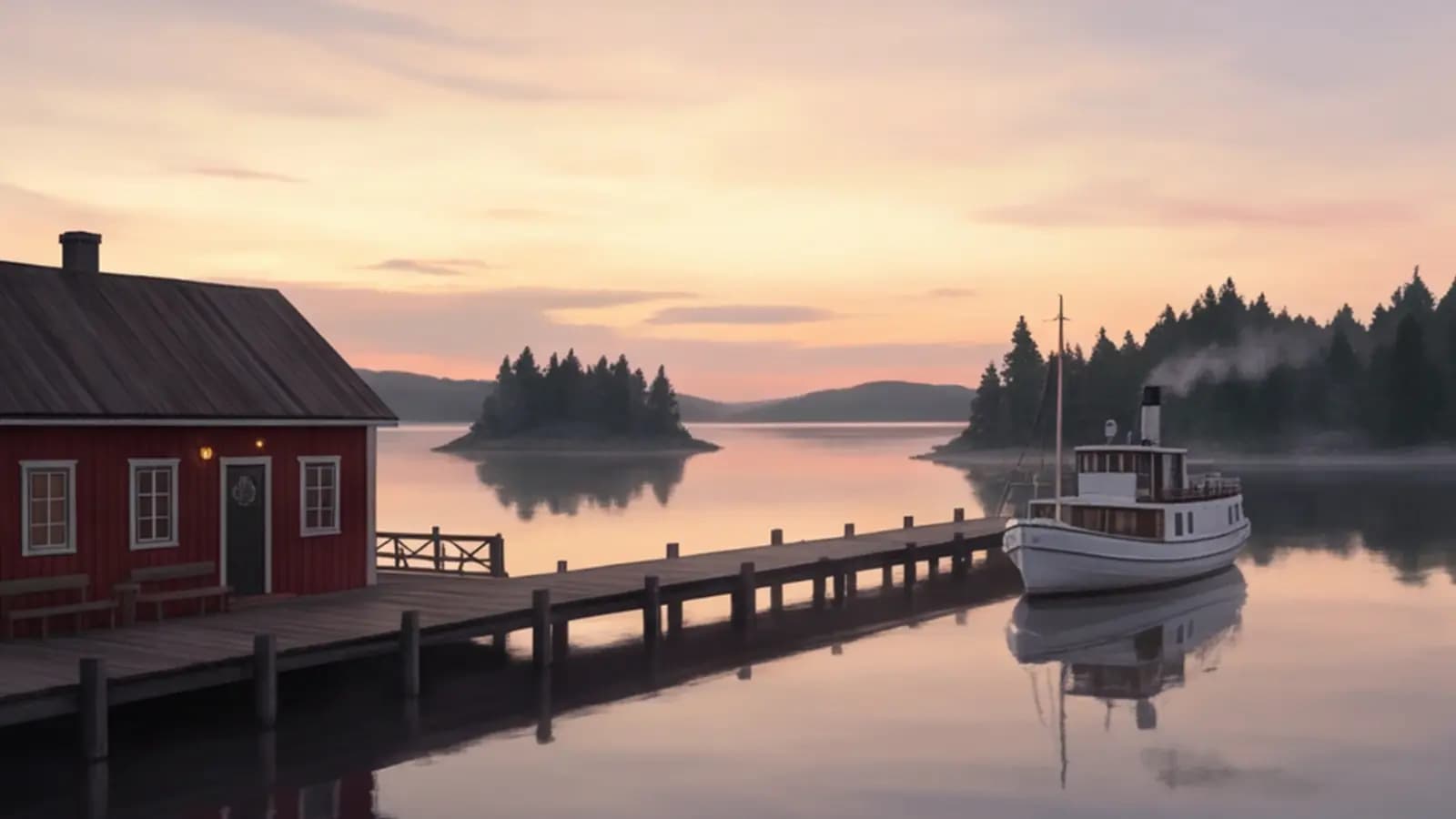
- Summer romance White Nights on SaimaaOne summer at an island café on Lake Saimaa, between a seal researcher who wants the channel closed and a steamboat captain who will fight him to the last plank.
The leads of dark romance
The morally grey lead
Neither hero nor villain: a person who does terrible things for reasons the reader can follow, and keeps a few lines uncrossed. The pull of the story is the question of where those lines are.
Play: The FracturePlay this storyThe villain as love interest
The person the story warns against is the one the protagonist is drawn to. The tension lies in knowing exactly what the other is, and choosing to stay in the room.
Play: Exit InterviewPlay this storyThe protagonist with teeth
The strongest stories on the shelf give the other lead power too: a weapon, a secret, a plan of her own. Two dangerous people are more interesting than one dangerous person and a victim.
Play: The Pelikaan WeekendPlay this story
Common dark romance tropes
The crime world
One or both leads belong to a gang, a cartel or a crime family. Loyalty, debts and violence are the setting, and leaving is not a simple matter.
Play: The Night Train to BakuPlay this storyOpposite sides of the law
A detective and a thief, a prosecutor and the accused. Each could destroy the other, and both know it.
Play: The Sixty-Hour VaultPlay this storyThe dangerous bargain
A deal with someone who should never be owed anything: protection for a secret, a debt paid in favours. The terms change as the feelings do.
Play: White Nights on SaimaaPlay this storyObsession
A love that watches too closely and holds too tightly. On the page it creates dread and fascination; the stories that handle it well never pretend it is safe.
Play: Promised to the SaltPlay this storyRevenge
One lead begins the story to ruin the other, or the other’s family. Love arrives as a complication that makes the plan impossible to finish.
Play: A Year on the RabenkopfPlay this storyThe monster
A vampire, a fae lord, a cursed noble: the danger is part of what the lover is. The story asks how much of the monster can be trusted.
Play: The Red Book of Malá StranaPlay this storyThe redemption arc
A lead who has done real harm tries to become someone else, and the story makes it cost. Some books grant the redemption; others refuse it on purpose.
Play: Promised to the SaltPlay this story
What dark romance means
Dark romance is a branch of romance with darker themes than the rest of the genre: crime, danger, obsession, leads hard to forgive. The love story stays at the centre; what surrounds it is violent or morally uneasy.
The name works mostly as a shelf label for readers and booksellers. Covers in black or red are common, and many books carry content warnings so readers know what to expect.
How dark romance differs from romance and from horror
A romance is usually defined by two things: a central love story and an emotionally satisfying ending. That is the definition used by the Romance Writers of America.
Dark romance keeps the first and bends the second. Many books still end with the couple together, but some offer no redemption for their leads, and the ending may be bleak.
Horror differs in its aim. Horror wants fear, and the threat is the subject. In dark romance the danger is the setting of a love story, and the threat is often one of the lovers.
Danger in fiction, not in life
Dark romance plays with danger inside a story. Obsession, control and violence can be gripping on the page because nobody real is harmed and the reader can close the book.
In real relationships the same things are abuse, and nothing in a story makes them romantic. Critics of the shelf argue that some books blur this line. Readers answer that fiction is a safe place to explore feelings they would never accept in life.
Content warnings exist so that each reader can choose. A good dark romance knows what it is showing.
Dark romance as a played story
On PlayAIStories romance is one of the genres, and a premise of one line is enough to start. From it AI builds the world, the characters and the first scene.
Dark themes are allowed in played stories, and such stories carry an 18+ mark. Romance is welcome, but explicit scenes are not written.
Characters remember what was said to them and how they feel about the hero. A dangerous ally’s trust is earned or lost over many scenes.