
Guide
Romance tropes: the plots readers ask for by name, each with a premise
Romance tropes are the familiar set-ups of a love story, known well enough to have names: enemies to lovers, fake dating, slow burn. This guide explains what each one promises a reader and gives a premise to play it out.
Play a story like this
Ready stories from the library. The first scene opens right away, no account needed.
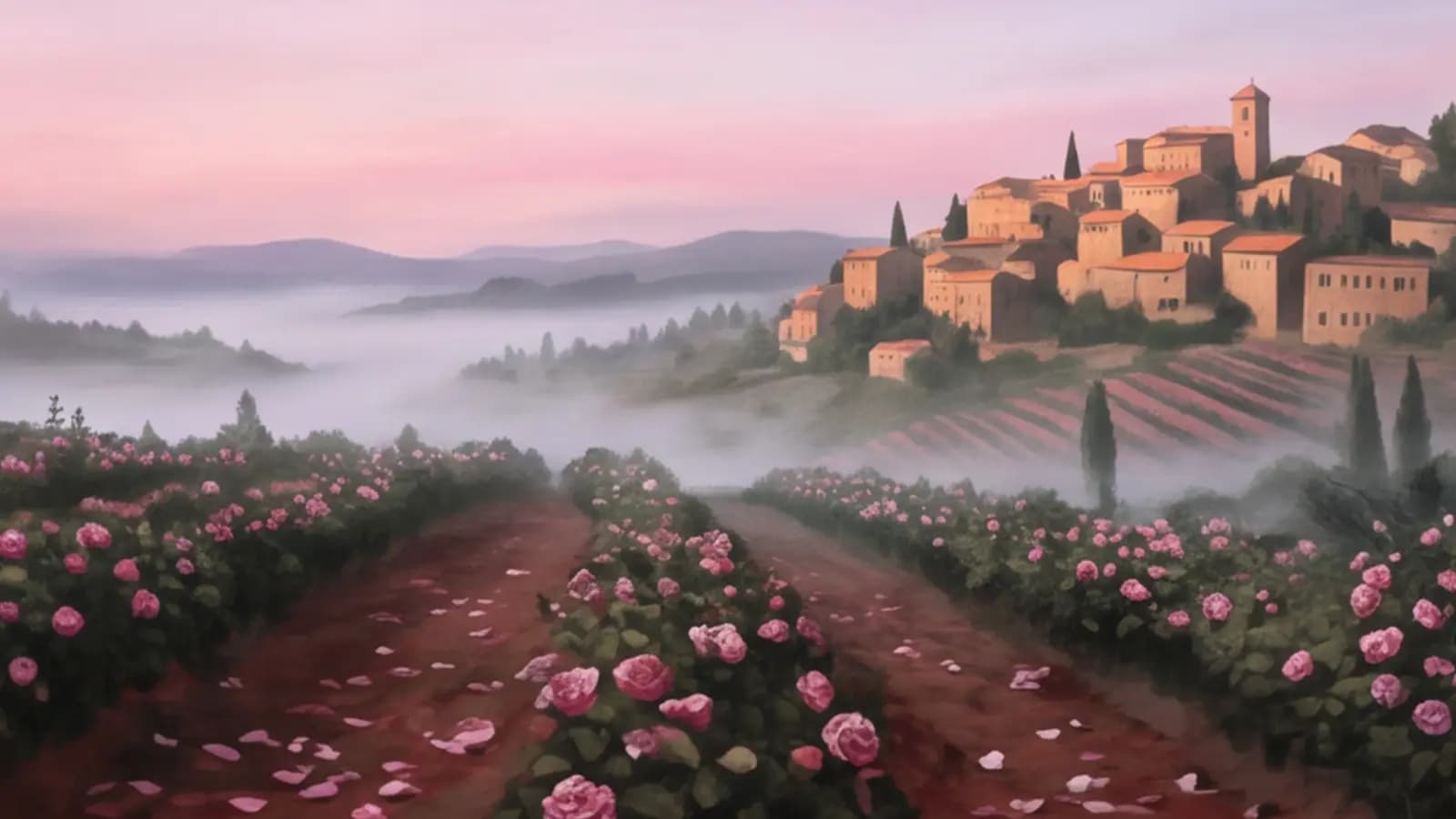
- Enemies to lovers Rose de MaiGrasse, May.
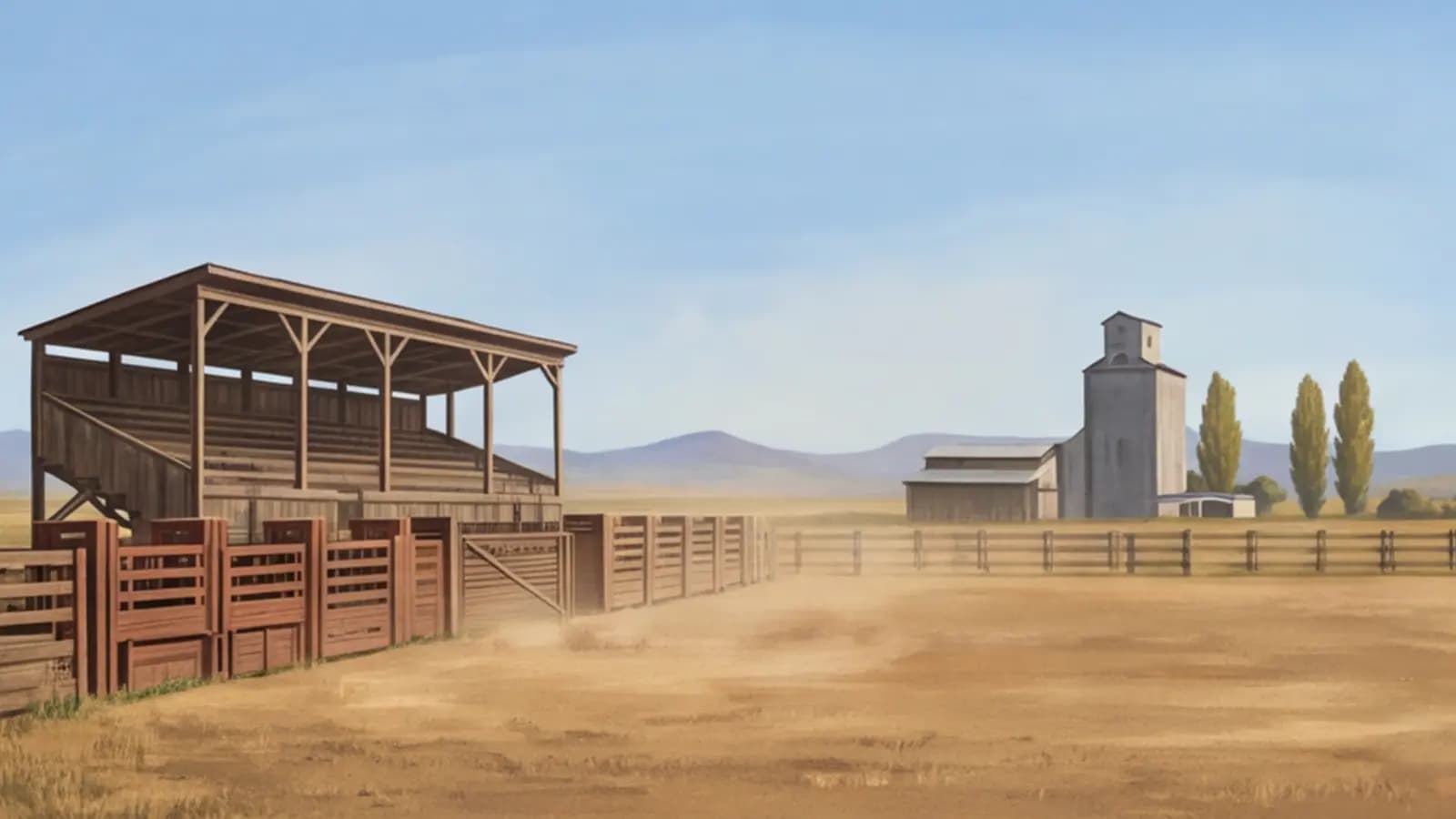
- Enemies to lovers Bad Blood at Medicine ButteA Montana drought, two werewolf ranches feuding since 1924, and one county rodeo the rival heirs must run together.
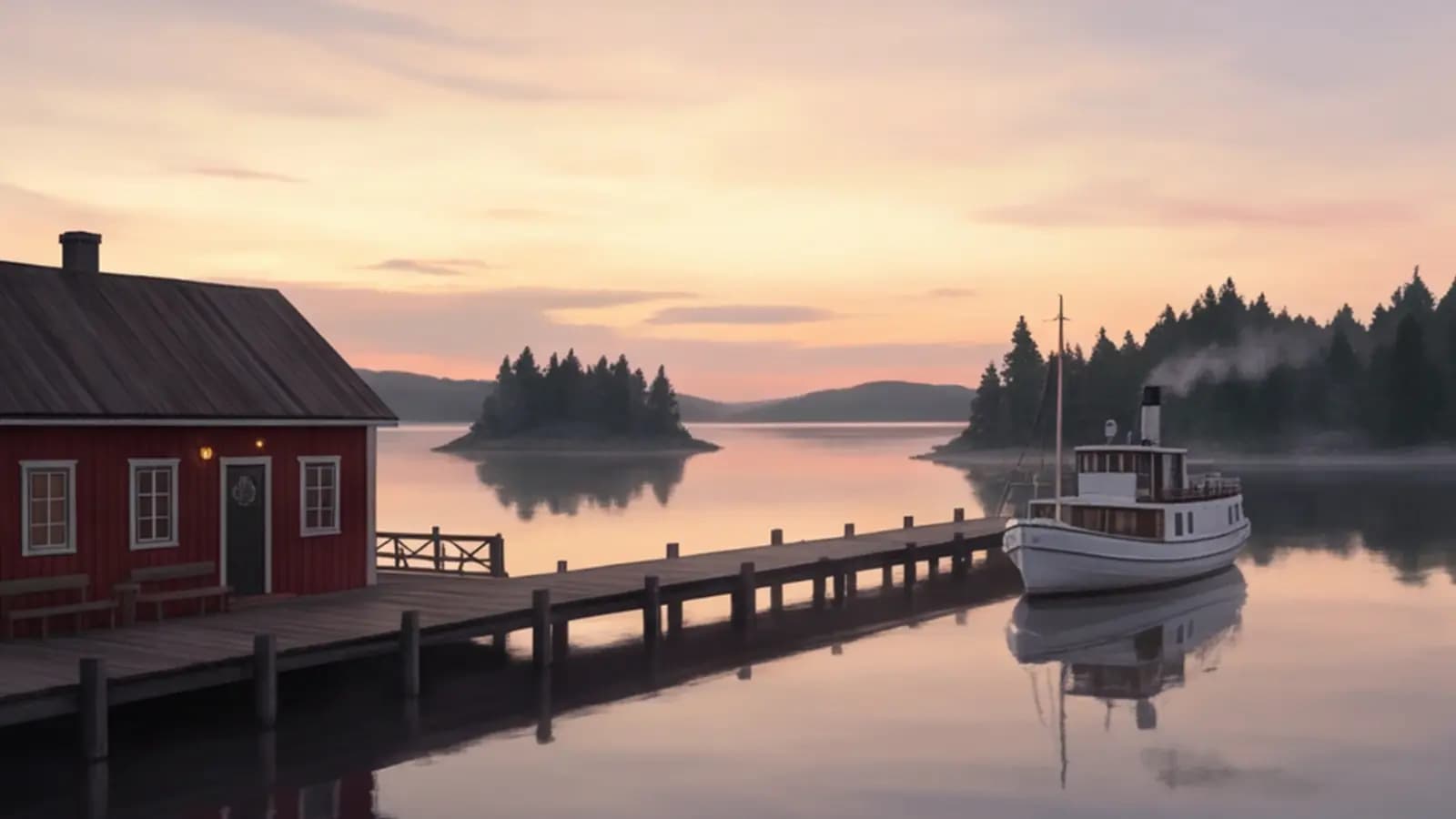
- Summer romance White Nights on SaimaaOne summer at an island café on Lake Saimaa, between a seal researcher who wants the channel closed and a steamboat captain who will fight him to the last plank.
From one feeling to another
Enemies to lovers
Two people start on opposite sides and with good reasons to dislike each other. The story makes them see, one scene at a time, what the other is really like. The pleasure is in the turn from the sharp word to the unguarded one.
Play: Rose de MaiPlay this storyRivals to lovers
A milder cousin of the last. The two are not enemies; they want the same prize. Competition forces each to study the other closely, and respect arrives before either admits to anything more.
Play: Bad Blood at Medicine ButtePlay this storyFriends to lovers
The two have known each other for years, and the friendship is the thing at risk. One of them notices the change first and has to decide to speak or keep silent. Readers come for the warmth and for the moment of courage.
Play: White Nights on SaimaaPlay this storySecond chance
A couple that parted once meets again. Both have changed, and the old reason for parting still stands between them. The story asks if they are now the people who could make it work.
Play: Rose de MaiPlay this storyChildhood sweethearts
A promise made at ten years old, half a joke, that neither forgot. Years later they meet as adults and have to learn each other again, since the child each remembers is gone.
Play: The FracturePlay this story
Thrown together
Fake dating
Two people agree to pose as a couple, for a family gathering, a rival or a rumour that needs killing. The rules of the act are clear at the start. Then the act gets easier than it should be.
Play: White Nights on SaimaaPlay this storyMarriage of convenience
A wedding for practical reasons: a title, a debt, an alliance between families. The two begin as polite strangers under one roof, and the romance comes after the vows instead of before.
Play: The Lake Keeps What It LovesPlay this storyForced proximity
Circumstance shuts two people in together: a snowstorm, a long voyage, a shared office, a quarantine. With nowhere to go, they have to talk, and manners wear off quickly.
Play: Bad Blood at Medicine ButtePlay this storyThe road trip
Forced proximity on the move. A shared road gives the story a clock and a map. Each stop tests the pair in a new way, and arrival means the end of their excuse.
Play: White Nights on SaimaaPlay this storyThe bodyguard
One of the two is paid to protect the other. Duty forbids exactly the closeness the job creates. Every danger brings them nearer, and every quiet hour makes the rule harder to keep.
Play: Rose de MaiPlay this story
Opposites and obstacles
Grumpy and sunshine
One is gruff and guarded, the other warm and talkative. The cheerful one is not put off, and the gruff one turns out to have been listening all along. The comedy is in the contrast.
Play: Two Purses, One FrogPlay this storyOpposites attract
Two people differ in temper, class or way of life: the planner and the improviser, the city and the village. Each has what the other lacks, and both must give something up.
Play: Exit InterviewPlay this storyForbidden love
Something outside the couple says no: families at war, a law, a vow, a difference of rank. The feeling is never in doubt, and the question is the price of following it.
Play: Howl at the Blue LinePlay this storyLove triangle
One heart and two claims on it. A good triangle offers two real choices, each standing for a different life. A poor one has an obvious winner and makes the reader wait.
Play: The Hoarfrost LyceumPlay this storySecret identity
One of the two is not who they seem: a prince in plain clothes, a writer behind a pen name, a spy. The other falls for the mask or the face, and the truth has to come out.
Play: White Nights on SaimaaPlay this storyRoyal and commoner
A crown on one side and an ordinary life on the other. The romance has to survive protocol, gossip and the court’s plans for a better match.
Play: The Last Blue VoyagePlay this story
A matter of pace
Slow burn
A romance that takes its time. Glances, small favours and almost-said things pile up over many chapters before anyone confesses. The wait is the point, and the pay-off is larger for it.
Play: Elegant and WrongPlay this storyLove at first sight
The opposite pace. The feeling is settled in the first scene, and the plot is everything that then stands in its way. Old ballads and fairy tales tell love this way.
Play: Under the Iron FishPlay this storyLove in letters
Two people come to know each other in writing before they meet, or without knowing they have met. The page allows an honesty that a room does not, and the first meeting is the test.
Play: Promised to the SaltPlay this story
What a trope is
A trope is a story pattern that readers recognise, and it works as a promise. “Fake dating” on a cover tells a reader which pleasures the book intends to deliver.
A trope names the set-up and leaves the story open. Two books with the same one can differ in everything else: the period, the people, the tone, the ending.
How romance tropes combine
Most love stories use more than one. Enemies to lovers pairs well with forced proximity, because enemies would otherwise avoid each other. Fake dating often carries a slow burn inside it.
The combination is where a story gets its own shape. A second chance told as a road trip is a different book from a second chance at a royal court.
A trope as a story to play
Each trope above has a premise, and “Play this story” opens the story wizard with it. On PlayAIStories romance is one of the genres, and from the line AI builds the world, the characters and the first scene.
The story keeps notes on what each character knows and how they feel about the hero. A slow burn can therefore be slow: a kindness in the first chapter is still remembered in the third.
Romance is welcome, but explicit scenes are not written.