
Guide
Antihero: what it is and the main kinds, with story ideas
An antihero is a main character who lacks what a classic hero has: the idealism, the courage or the clean hands. The kinds below differ in what is missing, and each comes with a premise to play.
Play a story like this
Ready stories from the library. The first scene opens right away, no account needed.
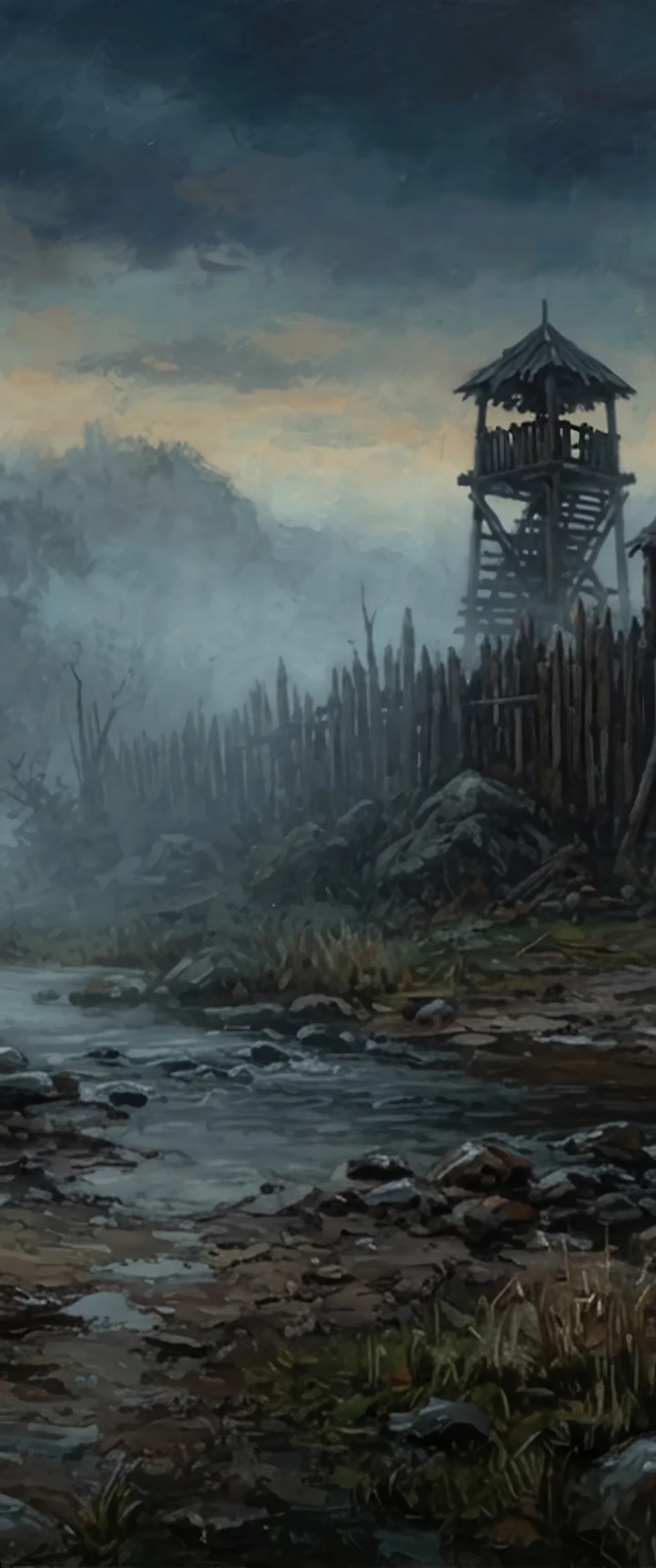
- Fantasy romance The Ash GateThe north road burned, the gate was opened from inside, and the warden has not slept in nine nights.
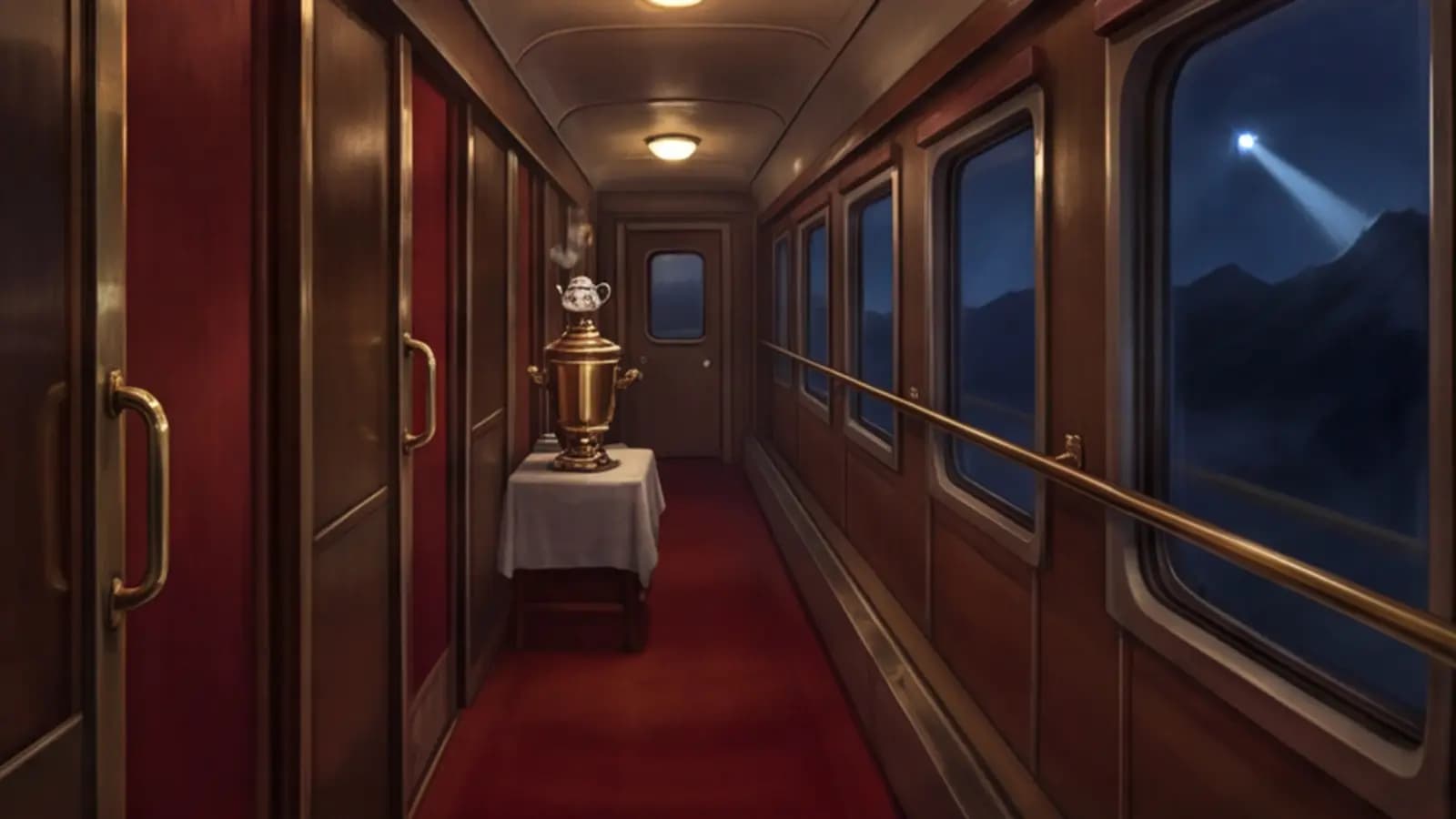
- Thriller The Night Train to BakuAn hour out of Tbilisi, a pipeline auditor lies dead in compartment four.
- Space opera Icarus CupA solar-sail race dives past the Sun once every eleven years.

Antiheroes who never asked
The reluctant hero
Wants to be left alone and is dragged in by duty, debt or bad luck. The courage is there, but it has to be pulled out scene by scene.
Play: The Ash GatePlay this storyThe unfit hero
Has no gift for heroism at all: timid, clumsy, out of depth. The story asks what such a person does when nobody better is at hand.
Play: The Ville de BrestPlay this story
Antiheroes with dirty hands
The cynic
Says he believes in nothing and works for pay. The plot keeps offering him causes, and the interest lies in the one he fails to refuse.
Play: The FracturePlay this storyThe outlaw with a code
Breaks the law and keeps rules of his own: no harm to the poor, no broken word. The code is what the story tests.
Play: Two Deeds to Bonanza CreekPlay this storyThe avenger
Has a just grievance and unjust methods. The reader sides with the cause and winces at the means.
Play: The Night Train to BakuPlay this storyThe rogue
Lives by wit and other people’s purses and is good company all the same. The question is what he will not do for money.
Play: Icarus CupPlay this story
Antiheroes on the way down
The fallen hero
Was a hero once and broke: a betrayal, a defeat, a bottle. The story begins after the fall and asks whether anything can be won back.
Play: The Ash GatePlay this storyThe Byronic hero
Proud, moody and cynical, with a misery he does not speak of. The type is named after the poet Lord Byron, whose gloomy heroes readers took for the poet himself.
Play: Exit InterviewPlay this storyThe villain as lead
Does real harm and is still the one the story follows. This is the far edge of the type, where sympathy is asked for and not always given.
Play: The FracturePlay this story
What an antihero is
An antihero is the main character of a story who lacks the usual heroic qualities. The reader still follows this character and mostly wants to see the attempt succeed.
The word is older than it sounds: English has used it since 1714. It is written antihero, anti-hero or anti hero, and the three mean the same.
The Byronic hero of the early nineteenth century is one famous branch. It first appeared in Byron’s poem Childe Harold’s Pilgrimage.
Hero, antihero and villain compared
A hero does the right thing for the right reason. An antihero does the right thing for a doubtful reason, or a doubtful thing for a reason that can be understood.
A villain is opposed by the story; an antihero is followed by it. The same deeds can belong to either, and the difference is whose side the telling takes.
An antihero in a played story
On PlayAIStories the premise is one line in any words. The game builds the world and the cast from it and shows them before the first scene, where names, roles and tempers can be changed.
Each scene ends with several choices and a field for a move of one’s own, so the hero can keep a code or break it.
Characters remember what was said to them. A promise made in the first chapter can come due in the third, which is hard on heroes who lie.