
Guide
Character archetypes: the recurring roles of a story
Character archetypes are the roles that return in story after story: the hero, the mentor, the trickster, the shadow. They are jobs in a plot, not personality types of real people. Each role below comes with a premise to play.
Play a story like this
Ready stories from the library. The first scene opens right away, no account needed.
- Fantasy romance The Ash GateThe north road burned, the gate was opened from inside, and the warden has not slept in nine nights.
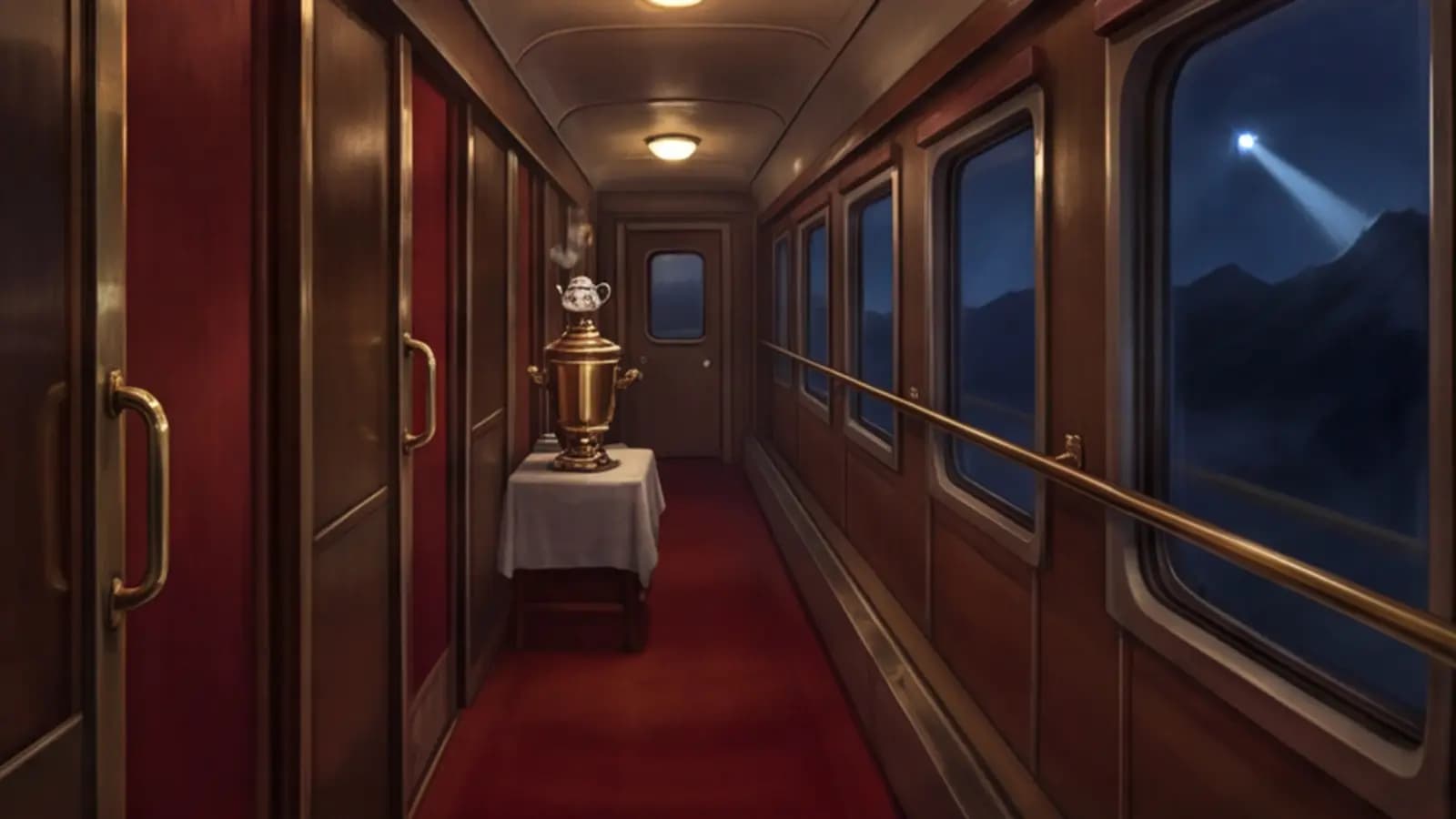
- Thriller The Night Train to BakuAn hour out of Tbilisi, a pipeline auditor lies dead in compartment four.
- Space opera Icarus CupA solar-sail race dives past the Sun once every eleven years.

The hero and the hero’s side
The hero
The one whose goal drives the plot and who pays for reaching it. The hero changes more than anyone else in the story.
Play: The Ash GatePlay this storyThe mentor
Teaches, equips or warns the hero and then steps aside. A mentor who stayed for the last fight would leave the hero nothing to do.
Play: The Night Train to BakuPlay this storyThe ally
Travels with the hero, shares the work and says what the hero cannot. Allies give the hero someone to talk to, to quarrel with and to lose.
Play: Icarus CupPlay this storyThe herald
Brings the news that ends ordinary life: a letter, a summons, a body on the shore. The herald may be a person, an object or an event.
Play: The Ash GatePlay this story
Those who test the hero
The threshold guardian
Blocks the way at the point of no return and tests whether the hero is serious. A guardian is not the main enemy and can often be won over, tricked or paid.
Play: The Truthful InkPlay this storyThe shadow
The force that opposes the hero, often carrying what the hero fears to become. In many stories this role is the villain; in others it is a side of the hero.
Play: The FracturePlay this storyThe shapeshifter
Someone whose loyalty the hero cannot read. The role keeps doubt alive: a friend in one scene, a threat in the next.
Play: The Ash GatePlay this storyThe trickster
Breaks rules, mocks the proud and upsets plans, the hero’s included. Myth is full of tricksters: Loki among the Norse gods, the spider Anansi in West Africa, Coyote in Native American stories.
Play: Never Say Thank YouPlay this story
Older roles from folk tales
The donor
Gives the hero a magical aid, usually after a test of manners or courage. In fairy tales this is the old woman at the well or the animal freed from a trap.
Play: The Butcher’s HostagePlay this storyThe dispatcher
Sends the hero out: a king with a task, a parent with a need. The dispatcher names what is missing, and the story goes to find it.
Play: The Ash GatePlay this storyThe false hero
Claims the hero’s deed and the reward. The tale ends only when the claim is exposed, often by a token the true hero kept.
Play: Three Tons of HeartburnPlay this story
What character archetypes are
Character archetypes are recurring roles that stories of many times and places share. The word archetype comes from Greek and means roughly “first pattern”.
The list of eight that screenwriters use comes from Christopher Vogler’s book The Writer’s Journey, first published in 1992. It names the hero, mentor, threshold guardian, herald, shapeshifter, shadow, ally and trickster.
Vogler built on Joseph Campbell’s The Hero with a Thousand Faces. Earlier still, in 1928, the Russian scholar Vladimir Propp found seven roles in folk tales, the donor, the dispatcher and the false hero among them.
Roles, not personality types
An archetype in this sense says what a character does in a story, not who a real person is. No test sorts living people into heroes and tricksters.
The psychologist Carl Jung used the same word for inborn patterns of the mind. Story craft borrowed the word for something plainer.
One character can hold several roles or pass from one to another. A mentor may turn out to be the shadow, and an ally may play the trickster for a scene.
Archetypes in a played story
On PlayAIStories the game builds the world and the cast from one line and shows them before the first scene. Names, roles and tempers can be changed there.
Characters want things of their own and remember what was said to them. A guardian who was tricked in the first chapter may be waiting in the third.
Each scene ends with several choices and a field for a move of one’s own. Risky moves are settled by a die, with the odds shown in plain words first.