
Guide
Types of fairies: the fair folk of British and Irish lore
The types of fairies in folklore range from the courts that ride out at night to the lone brownie by the hearth and the light over the bog. This guide sorts the fair folk of Britain and Ireland by kind, with where each is told of and a premise to play.
Play a story like this
Ready stories from the library. The first scene opens right away, no account needed.
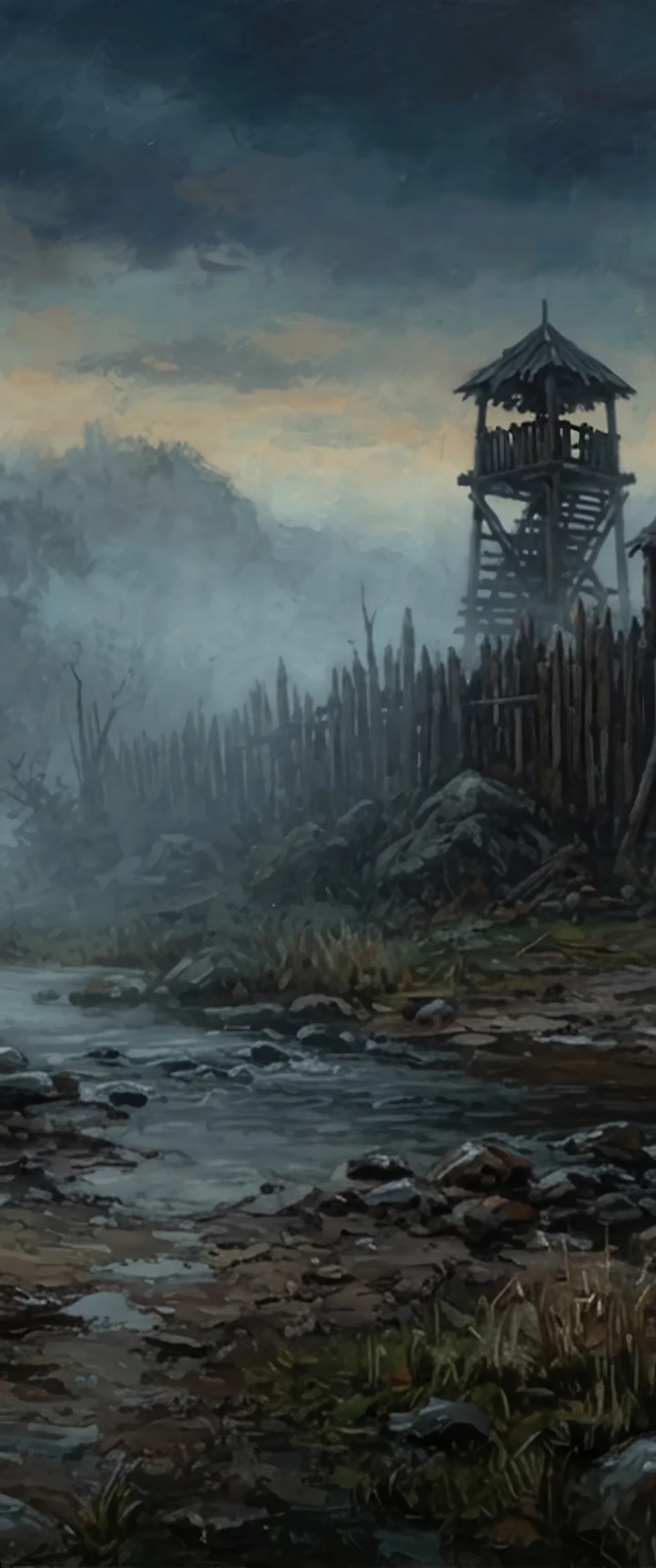
- Fantasy romance The Ash GateThe north road burned, the gate was opened from inside, and the warden has not slept in nine nights.
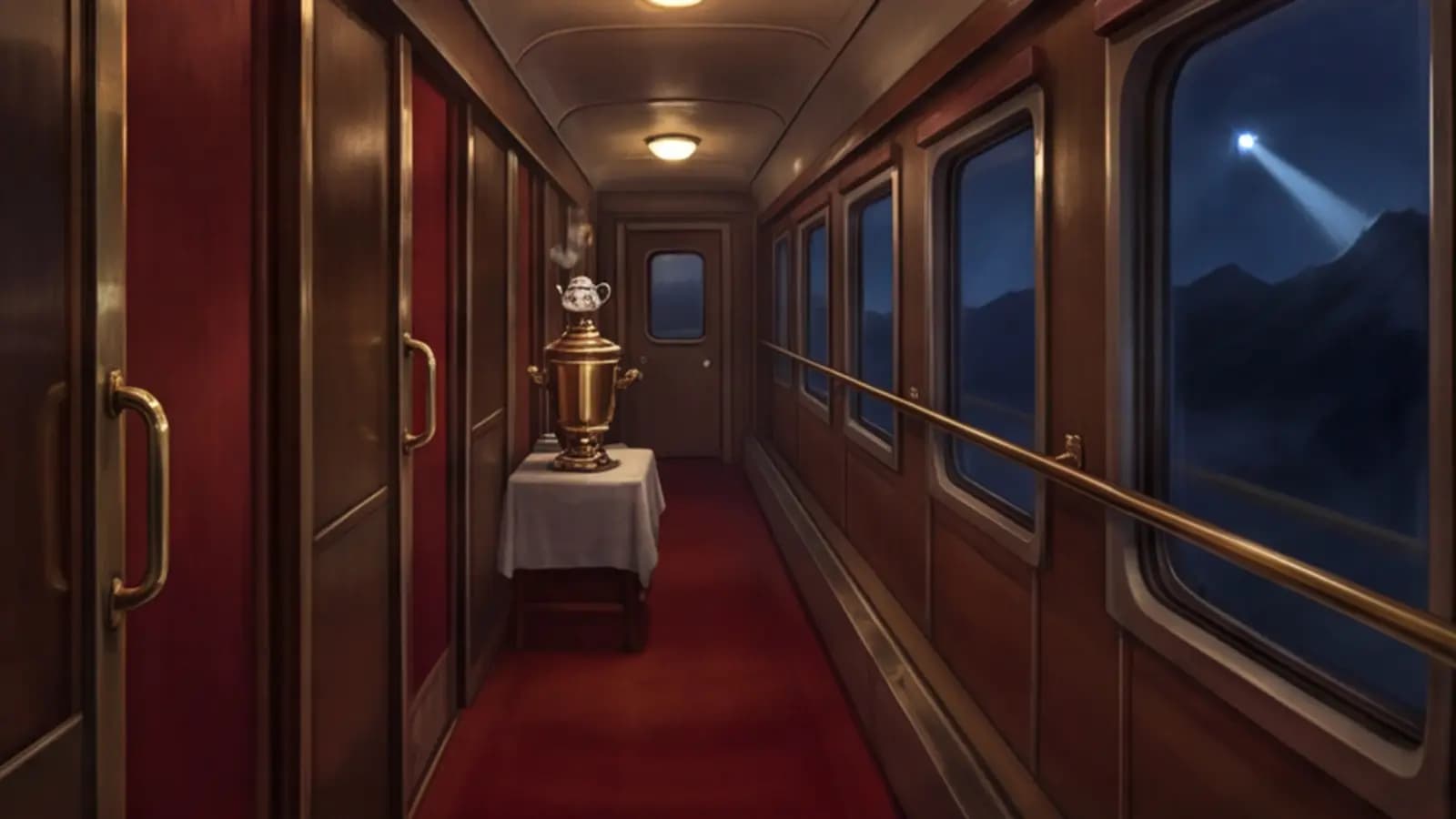
- Thriller The Night Train to BakuAn hour out of Tbilisi, a pipeline auditor lies dead in compartment four.
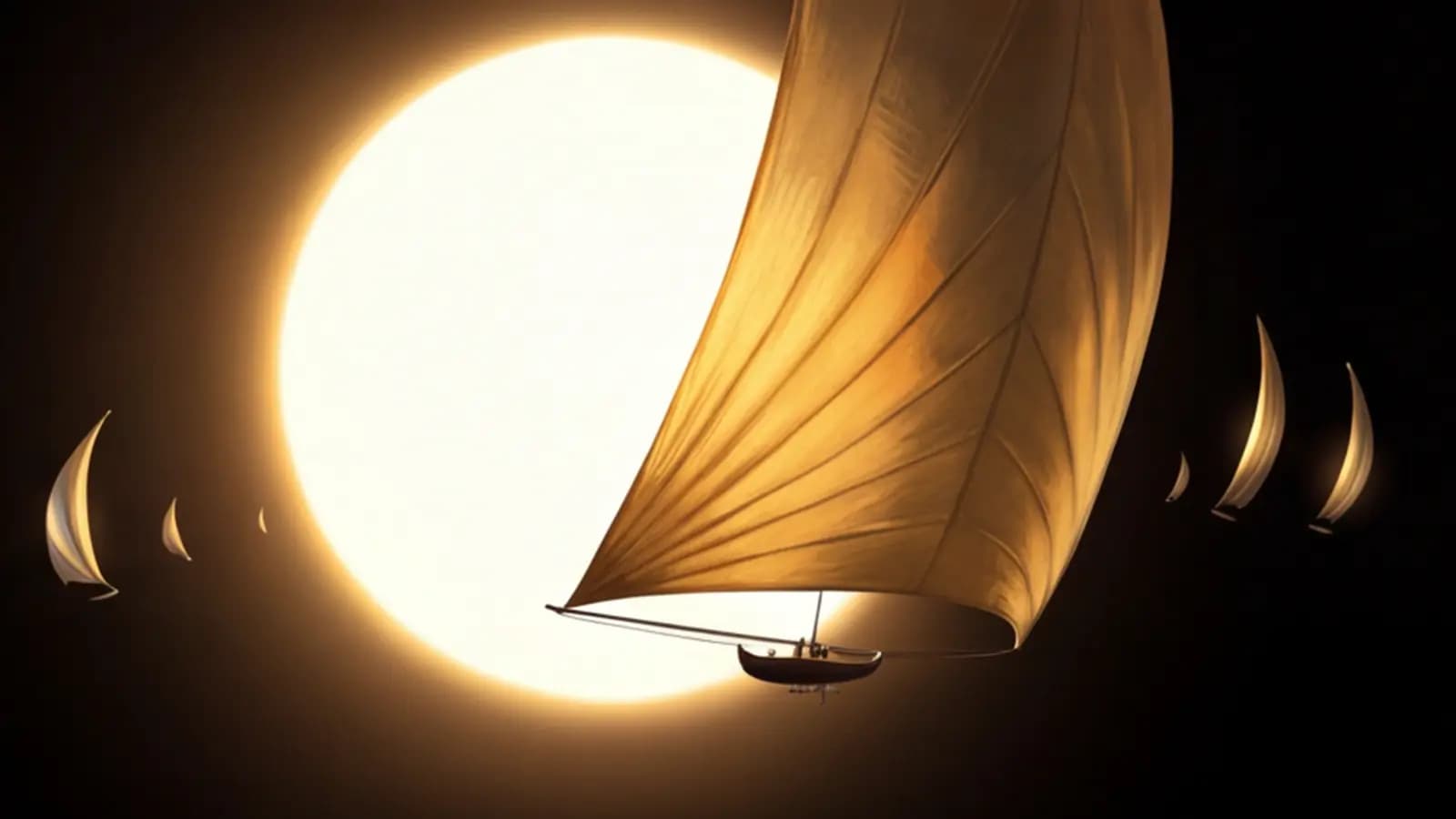
- Space opera Icarus CupA solar-sail race dives past the Sun once every eleven years.
The fairy courts
Seelie Court
In Scottish folklore the Seelie Court is the kinder of the two fairy hosts. Kinder is not the same as safe, and its favours can still be dangerous.
Play: The Ash GatePlay this storyUnseelie Court
The darker host of Scottish lore, given to malice and mischief. It is the court that troubles travellers who stay out too late.
Play: The Night Train to BakuPlay this storyAos sí
The people of the mounds in Irish lore, who live in the ancient burial mounds that dot the land. They are told of as ancestors, nature spirits or the old gods.
Play: Icarus CupPlay this story
Fairies of the house and farm
Brownie
A household spirit of Scottish lore, known in England and Ireland too. It does chores at night for a bowl of cream or porridge left by the hearth. A gift of clothes drives it away for good.
Play: The Ash GatePlay this storyBoggart
What a brownie can turn into when it is badly angered or mistreated: a malicious spirit in place of a helpful one.
Play: The Night Train to BakuPlay this storyPixie
Small, playful folk of the moors of Cornwall and Devon who lead travellers astray, which is called being pixy-led. Turning a coat inside out breaks the spell.
Play: Icarus CupPlay this story
Solitary fairies
Leprechaun
A small, bearded shoemaker of Irish lore who works alone and hides his gold. In the oldest known tale, three of them are caught and grant wishes to win their freedom. The old ones wore red; the green coat came in the 20th century.
Play: The Memory of RomePlay this storyPúca
An Irish shapeshifter, most often a black horse with golden eyes, that gives riders a wild night and drops them where they began. At harvest, crops left in the field after November 1 are its share.
Play: The Night Train to BakuPlay this storyWill-o’-the-wisp
A light over bogs and marshes that leads walkers off the path. One of its English names is pixy-light, and its Latin name means “foolish fire”.
Play: Icarus CupPlay this storyKelpie
A Scottish water spirit that waits by rivers and pools as a fine black horse. Whoever mounts it is carried into deep water, but a kelpie caught with a bridle has to work.
Play: The Ash GatePlay this story
Two types of fairies: trooping and solitary
Folklorists, following the poet W. B. Yeats, sort fairies into two broad types. Trooping fairies live and ride out in groups. Solitary fairies keep to themselves, like the shoemaking leprechaun.
Scottish lore adds a second split, by temper: the Seelie Court is the more benevolent host, the Unseelie the more malicious. Even the kind ones are dangerous to cross.
How fairy folklore kept them away
Old charms against the fair folk were ordinary things. Cold iron, rowan, bread in a pocket, church bells and clothes worn inside out were all said to keep them off.
The worst fear was the changeling: a fairy left in a cradle in place of a stolen child. Those tales are some of the darkest in all of fairy tales and folklore.
Types of fae in a played story
Fairy lore gives a story rules. Cold iron keeps the fair folk off, a coat turned inside out breaks their spell, and a brownie given clothes leaves for good. On PlayAIStories such a rule fits in the one-line premise, and the game builds the world and the cast around it.
Each scene ends with several choices and a field for a move of one’s own. Risky moves, such as bargaining with the court under the hill, are settled by a die.
A failed roll turns the story instead of ending it. Names for the fair folk can come from the fairy name generator.