
Guide
Types of aliens: the alien species of fiction and UFO lore
Types of aliens in fiction run from the Martian invaders of H. G. Wells to the grey visitors of abduction stories and a living ocean nobody can talk to. This guide sorts the alien species storytellers return to and gives each a premise to play.
Play a story like this
Ready stories from the library. The first scene opens right away, no account needed.
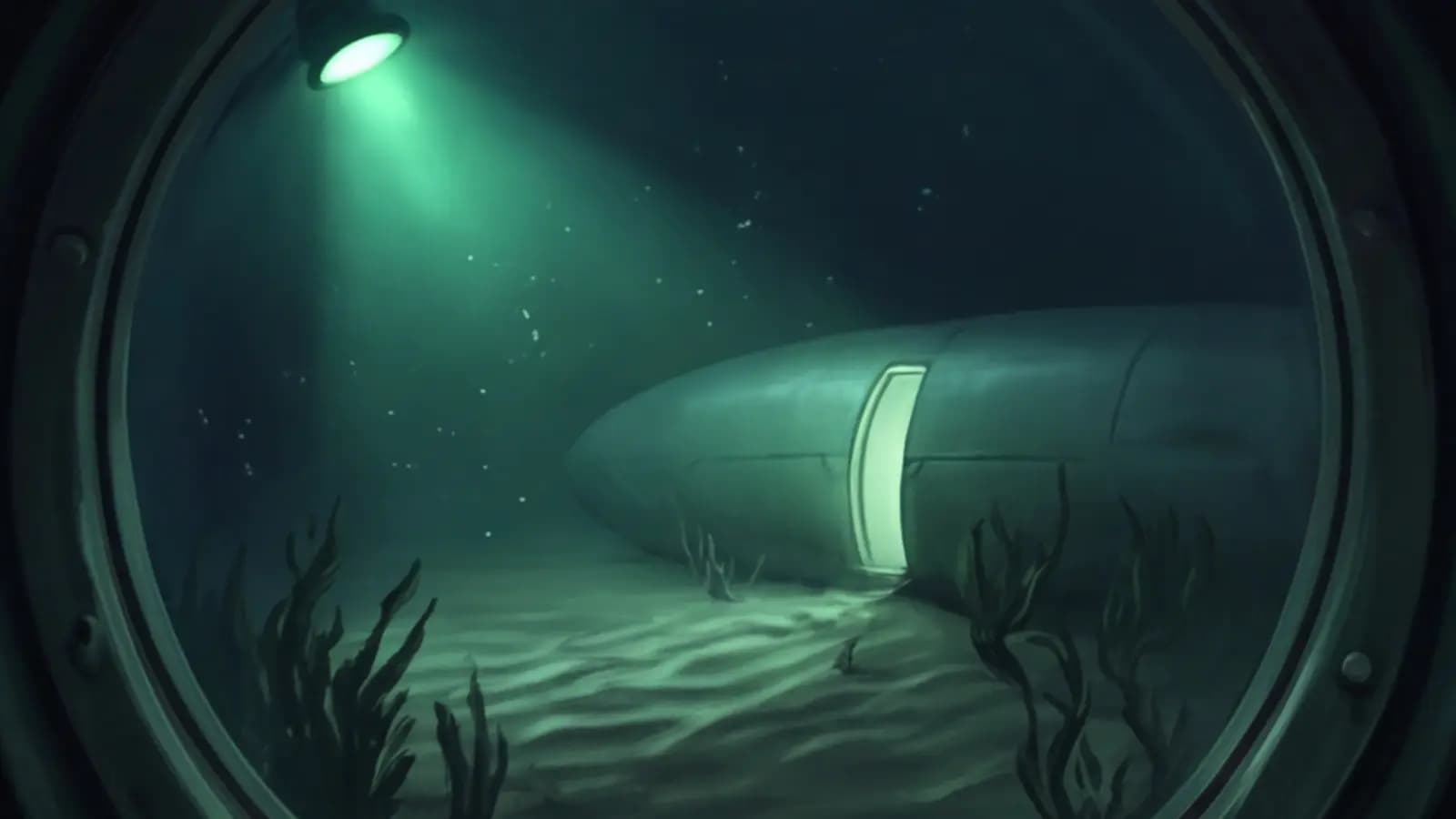
Aliens by what they want
Invaders
H. G. Wells set the pattern in The War of the Worlds (1898): Martians in three-legged fighting machines with a heat-ray, who fall at last to earthly bacteria. A 1938 radio version convinced some listeners the invasion was real.
Play: The FracturePlay this storyTeachers and allies
Not every visitor comes to conquer. Friendly aliens appear as teachers and allies, and Voltaire’s Micromégas (1752) already sent a giant from Saturn to look at humans with amused patience.
Play: The Guest in the FjordPlay this storyBody snatchers
Jack Finney’s The Body Snatchers ran in a magazine in 1954 and came out as a book in 1955. In it, pods from space replace sleeping people in a California town with perfect copies that feel nothing.
Play: The Scent EmbassyPlay this storyHive societies
Wells imagined Moon dwellers in The First Men in the Moon (1901) whose society shapes each member for one task. Each is “a perfect unit in a world machine.”
Play: The Guest in the FjordPlay this storyThe unknowable
In Stanisław Lem’s Solaris (1961), a planet is covered by one ocean-wide being that sends researchers copies of people from their buried memories. The novel is about the impossibility of truly talking to an alien mind.
Play: Icarus CupPlay this story
Aliens by body
Humanoids
Two arms, two legs and a face, with a change of skin, ears or eyes. They are the easiest aliens to cast as characters, and the hardest to make feel truly foreign.
Play: The Guest in the FjordPlay this storyAnimal-shaped aliens
Writers often build aliens from Earth’s own animals, borrowing the shapes of insects, crabs and octopuses.
Play: The Guest in the FjordPlay this storySilicon life
Silicon sits in the same group as carbon and can also form four bonds, so science has long discussed it as an alternative basis for life. Carbon is ten times more common in the cosmos, which keeps the idea speculative.
Play: The Crossroads DebtPlay this story
Aliens of UFO lore
Little green men
The small visitor of the 1950s and 1960s, green in one version and grey in another, before the grey won out.
Play: The Ash GatePlay this storyGreys
Hairless humanoids with grey skin, small bodies, large heads and big black almond eyes. The 1961 abduction claim of Betty and Barney Hill made the image famous, and greys figure in most abduction claims since.
Play: The Guest in the FjordPlay this story
How fiction imagined aliens
Stories of other worlds are old. Lucian’s True History, written in antiquity, already sends its travellers to the Moon, and Voltaire put visitors from space in a tale in 1752.
The modern alien begins with Wells, whose Martians in 1898 hunt humans the way humans hunt animals. Pulp magazines then filled with aliens, and the humanoid stayed their most frequent type.
Choosing among the types of aliens
Each kind of alien asks a different question. Invaders ask how to survive, body snatchers ask whom to trust, and the unknowable ask whether understanding is possible at all.
The same ship landing in a field can be a war story, a paranoia story or a first-contact story, depending on the type. Names for a species or its envoy can come from the alien name generator, and a larger canvas from space opera.
First contact played scene by scene
On PlayAIStories one line with a premise is enough to start. The game builds the world and the cast and shows them before the first scene, where names, roles and tempers can be changed.
Each scene ends with several choices and a field for a move of one’s own. Risky moves, such as reaching out to touch the visitor, are settled by a die, and the odds are shown in plain words first.