
Guide
Time travel: the kinds of story and the classic paradoxes
Time travel stories differ in one rule: whether the past can be changed. From that rule come the fixed timeline, the loop, the branching worlds and the classic paradoxes. Each kind below comes with a premise to play.
Play a story like this
Ready stories from the library. The first scene opens right away, no account needed.
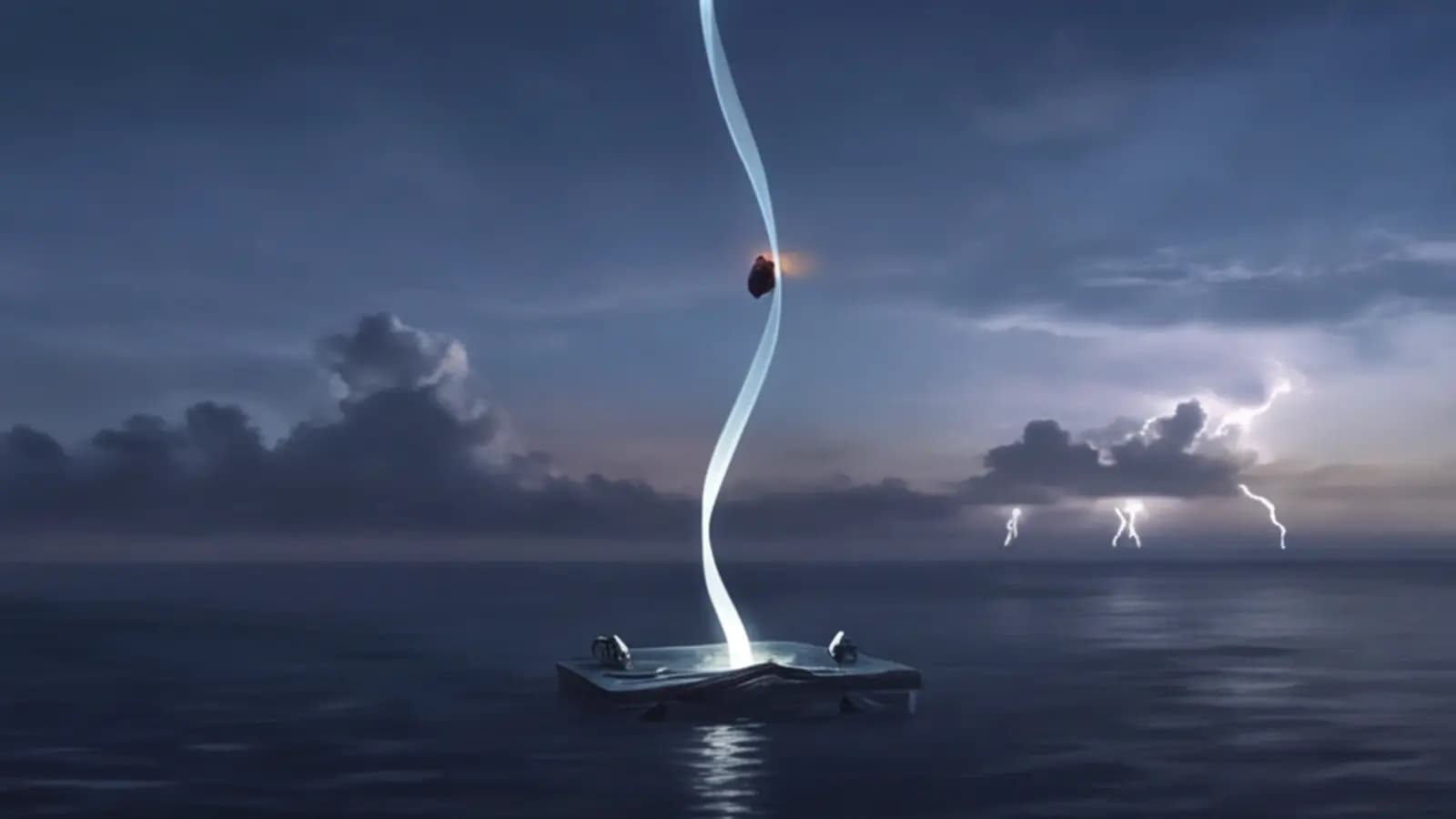
- Time travel stories Seventy-Two MinutesA space-elevator car off Lagos falls into the Atlantic at 04:12.
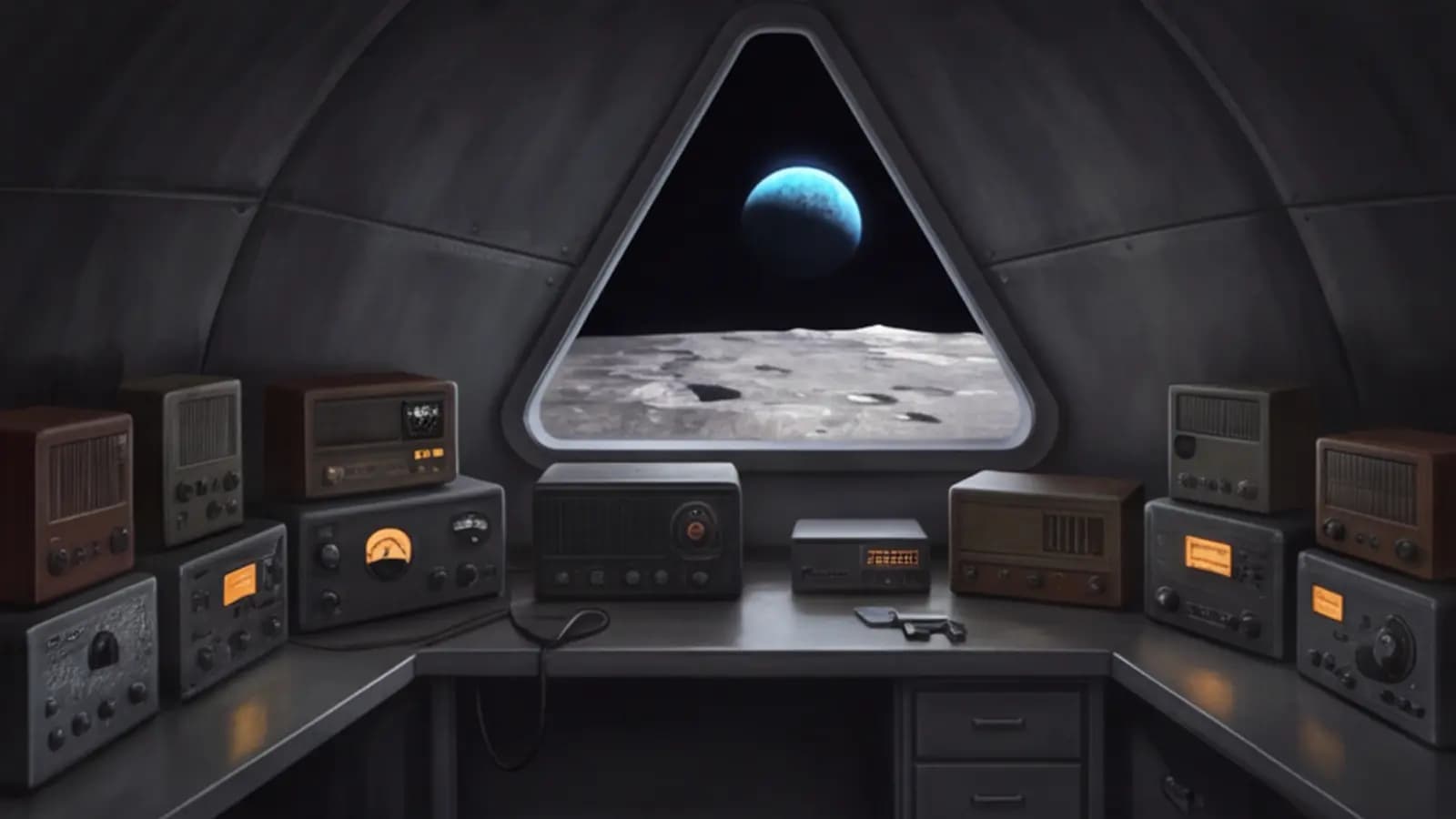
- Time travel stories LunogradA Moscow planetarium guide touches a museum case and wakes on the Moon in 1971, at a Soviet base that will be lost with all hands in eighteen days.
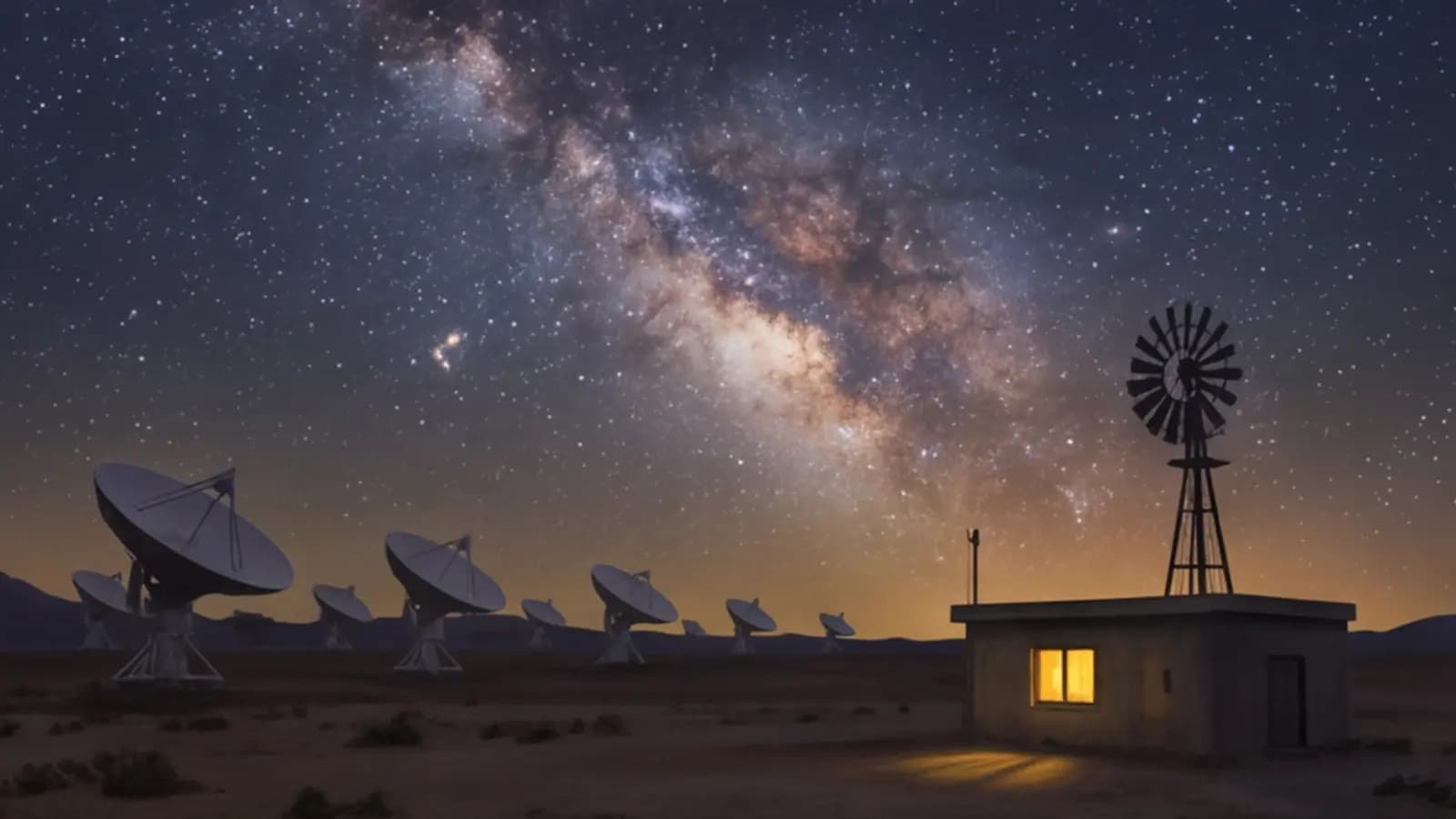
- Time travel stories Echo from the KarooAt three in the morning, a radio telescope in the Karoo picks up a signal.
By what happens to the past
The fixed timeline
The past cannot be changed, and whatever the traveller does there was part of history all along. Physics has a name for the idea: the Novikov self-consistency principle, after the physicist Igor Novikov.
Play: Seventy-Two MinutesPlay this storyThe changeable past
History can be rewritten, on purpose or by accident. The traveller returns to a present that is not the one left behind.
Play: LunogradPlay this storyBranching worlds
Each change opens a new timeline and leaves the old one as it was. The idea leans on the many-worlds interpretation of quantum physics, and it removes the paradoxes.
Play: Echo from the KarooPlay this storyThe time loop
The same stretch of time repeats, and the hero lives through it again and again. The story is about finding what breaks the cycle.
Play: Seventy-Two MinutesPlay this story
By how the trip is made
The time machine
A device that travels in time at its owner’s will. H. G. Wells’s novel The Time Machine made the idea popular in 1895.
Play: Promised to the SaltPlay this storyThe one-way trip
The traveller goes forward and cannot come back. This is the kind that physics supports: someone moving near the speed of light would live through far less time than those left at home.
Play: Seventy-Two MinutesPlay this storyThe long sleep
The oldest road to the future: the hero falls asleep and wakes in a changed world. Rip Van Winkle did it in Washington Irving’s story of 1819.
Play: The Sutler of KitzbrunnPlay this storyThe time slip
The traveller is thrown into another age by unknown means, with no machine and no control over it.
Play: Seventy-Two MinutesPlay this storyThe message from the future
Nobody travels, only information: tomorrow’s newspaper, a letter, a warning.
Play: Echo from the KarooPlay this story
The classic paradoxes
The grandfather paradox
A traveller kills his own grandfather before his parent is born. He is then never born, and nobody goes back to do it. The name stands for any change that would undo its own cause.
Play: Seventy-Two MinutesPlay this storyThe bootstrap paradox
A thing or a piece of knowledge that causes itself. It is carried from the future into the past and kept there until it is carried back again. Robert Heinlein’s story “By His Bootstraps” made the name popular.
Play: The Ash GatePlay this storyThe butterfly effect
A tiny change in the past grows into a vast one later. In a 1952 story by Ray Bradbury a time traveller steps on a butterfly in the distant past and comes home to a changed world.
Play: Seventy-Two MinutesPlay this story
How time travel stories differ
Time travel stories differ first in what the past allows. It may be fixed, open to change, or split into a new branch with every change.
They differ next in the road taken: a machine, a sleep, a slip, a loop. The road decides how much control the traveller has.
The paradoxes belong to the stories with a changeable past. A fixed timeline and branching worlds are two ways of avoiding them.
Is time travel possible?
Forward, yes, in a small way. Time dilation is part of the theory of relativity and has been measured, though present technology gives differences of only a few milliseconds.
Backward travel is uncertain. Some solutions of general relativity permit it, and physicists cannot yet say whether nature does.
Time travel as a played story
On PlayAIStories one line with a premise is enough to start. The game builds the world and the cast and shows them before the first scene, where names, roles and tempers can be changed.
Each scene ends with several choices and a field for a move of one’s own. Risky moves, such as speaking to one’s own younger self, are settled by a die, and the odds are shown in plain words first.
The story keeps a record of what happened, which matters when the hero comes back to a day already lived.