
Guide
Alternate history: the main kinds, with a premise for each
Alternate history asks what the world would be like if one event had gone the other way. Each kind below starts from a different sort of change and comes with a premise to play.
Play a story like this
Ready stories from the library. The first scene opens right away, no account needed.
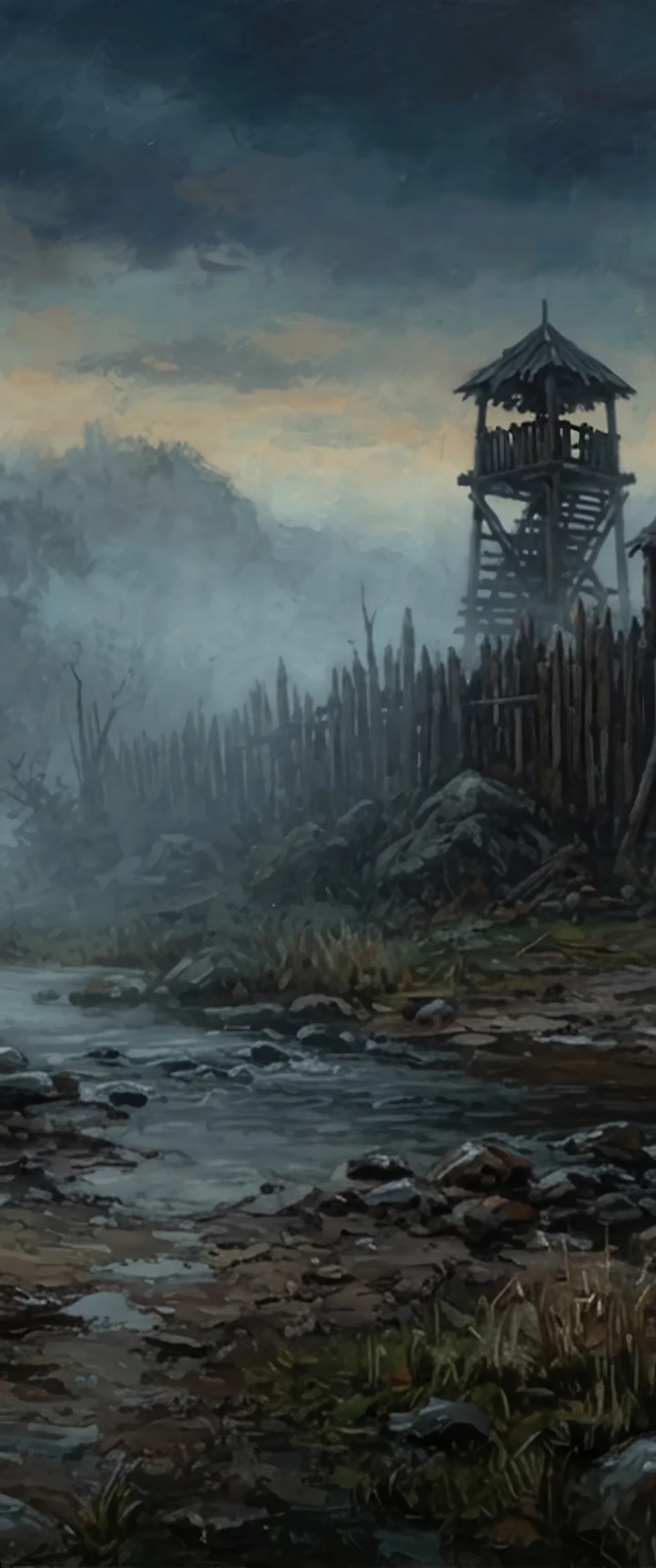
- Fantasy romance The Ash GateThe north road burned, the gate was opened from inside, and the warden has not slept in nine nights.
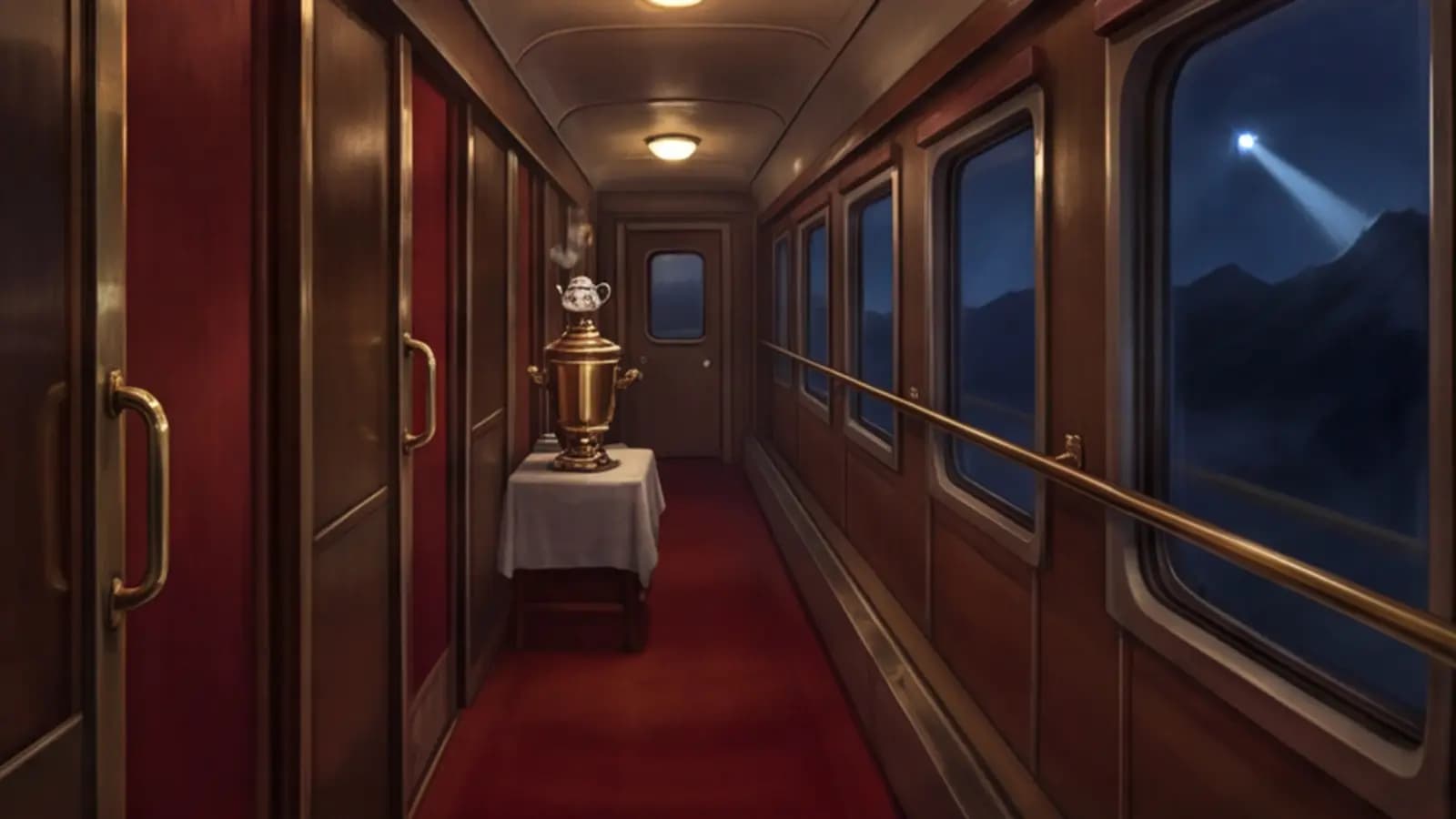
- Thriller The Night Train to BakuAn hour out of Tbilisi, a pipeline auditor lies dead in compartment four.
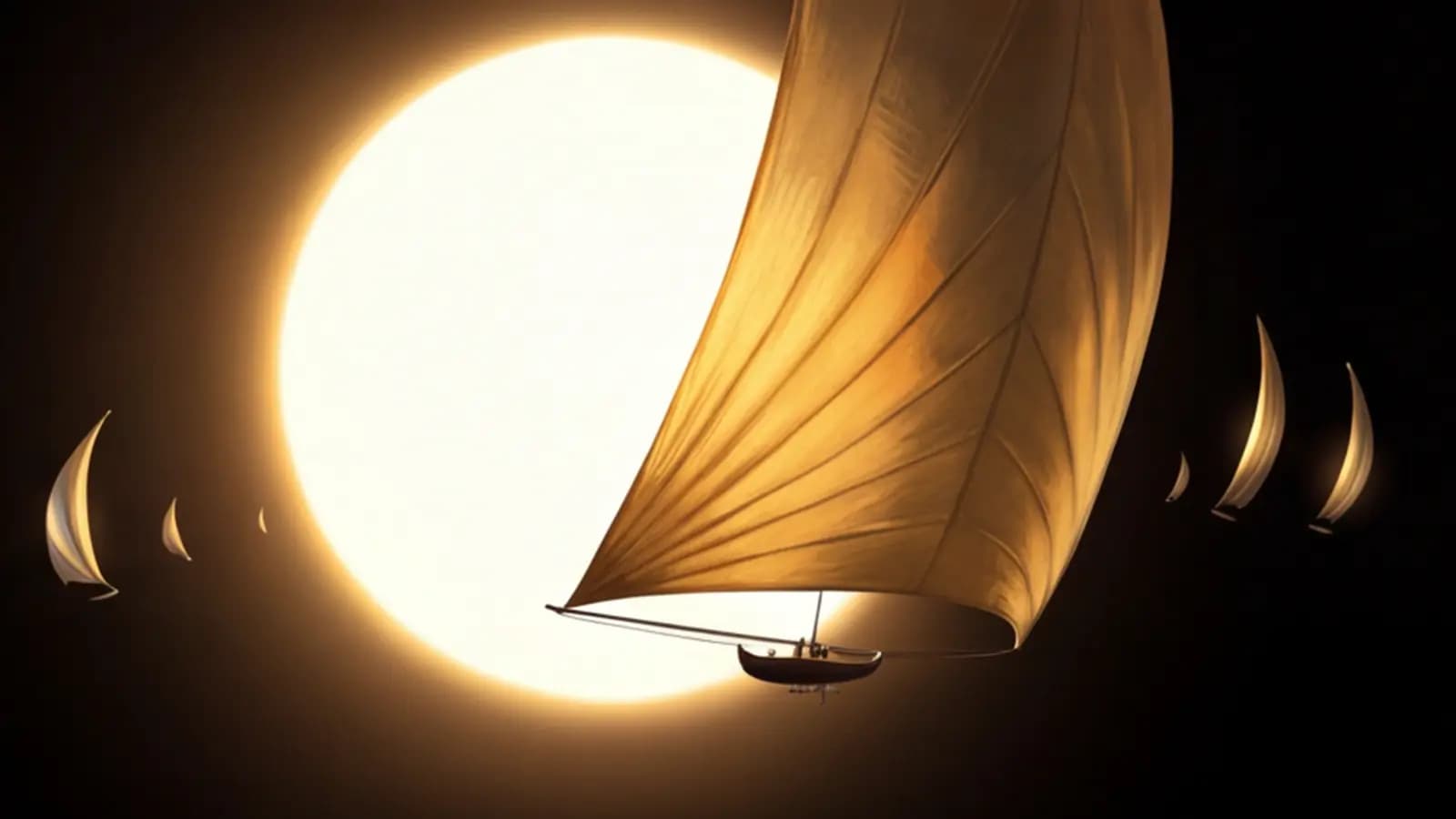
- Space opera Icarus CupA solar-sail race dives past the Sun once every eleven years.
A different outcome
A battle lost
The classic kind: the side that lost the decisive battle or war wins it. An Axis victory in the Second World War is probably the most explored case of all.
Play: The Sutler of KitzbrunnPlay this storyA ruler who lived
One death is put off, and a reign runs on. The Roman historian Livy tried it long ago: he asked what would have happened if Alexander the Great had lived to march on Rome.
Play: White Nights on SaimaaPlay this storyAn empire that never fell
A state that history ended is allowed to go on. The story shows it centuries later, with new tools and old habits.
Play: The Memory of RomePlay this storyA rebellion that went the other way
A revolt or a civil war ends differently, and the map keeps a border that it lost. A Confederate victory in the American Civil War is a frequent premise.
Play: The Hostage of MizunamiPlay this story
A different cause
An invention made early
A machine arrives centuries ahead of its time. The ancient world did have a steam device, described by Hero of Alexandria in the first century, and it never became a working engine.
Play: His Lordship Is UnwellPlay this storyA plague that never came
A disaster is taken away, and the dead are put back. The Black Death killed between a third and a half of Europe’s people around 1350 and made labour scarce and wages high.
Play: Icarus CupPlay this storyA meeting on other terms
A discovery is made later, or by the other side, and two worlds meet differently.
Play: The Ash GatePlay this story
Ways of telling it
The traveller who caused it
Someone from the future changes the past, on purpose or by clumsiness, and has to live in the result. Here the change has a culprit.
Play: The Bank Closes ThursdayPlay this storyWorlds side by side
Several histories exist at once, and people cross between them. Murray Leinster’s story “Sidewise in Time” brought the idea into science fiction in 1934, and an award for alternate history is named after it.
Play: The Crossroads DebtPlay this story
What alternate history is
Alternate history is fiction in which one or more events of the past went differently, and the story follows the consequences. It is also called alternative history.
Historians do something related. Counterfactual history asks what might have happened in order to understand why things went as they did.
In 1931 the collection If It Had Happened Otherwise gathered such “what if” essays, with Winston Churchill among the authors.
How a point of divergence works
The point of divergence is the moment where the invented history leaves the real one. Everything before it is as the record has it, and everything after is the author’s.
A small, clear change serves well: a message that arrived, a wind that turned. The growth of small causes into large effects is called the butterfly effect, a term tied to the meteorologist Edward Lorenz.
The further a story stands from that moment, the stranger its world may be, and the more it has to show how things got there.
Alternate history as a played story
On PlayAIStories one line with a premise is enough to start. The game builds the world and the cast and shows them before the first scene, where names, roles and tempers can be changed.
Each scene ends with several choices and a field for a move of one’s own. Risky moves are settled by a die, with the odds shown in plain words first.
The story keeps a record of what happened, so a choice made in the first chapter can change what comes later.