
Guide
Tabletop RPG: how the game works, from character sheet to campaign
A tabletop RPG is a role-playing game played in conversation. One person describes a world, the others say what their characters do, and dice settle what is uncertain. This guide explains the parts of the game, the kinds of rule systems and how solo play differs.
Play a story like this
Ready stories from the library. The first scene opens right away, no account needed.
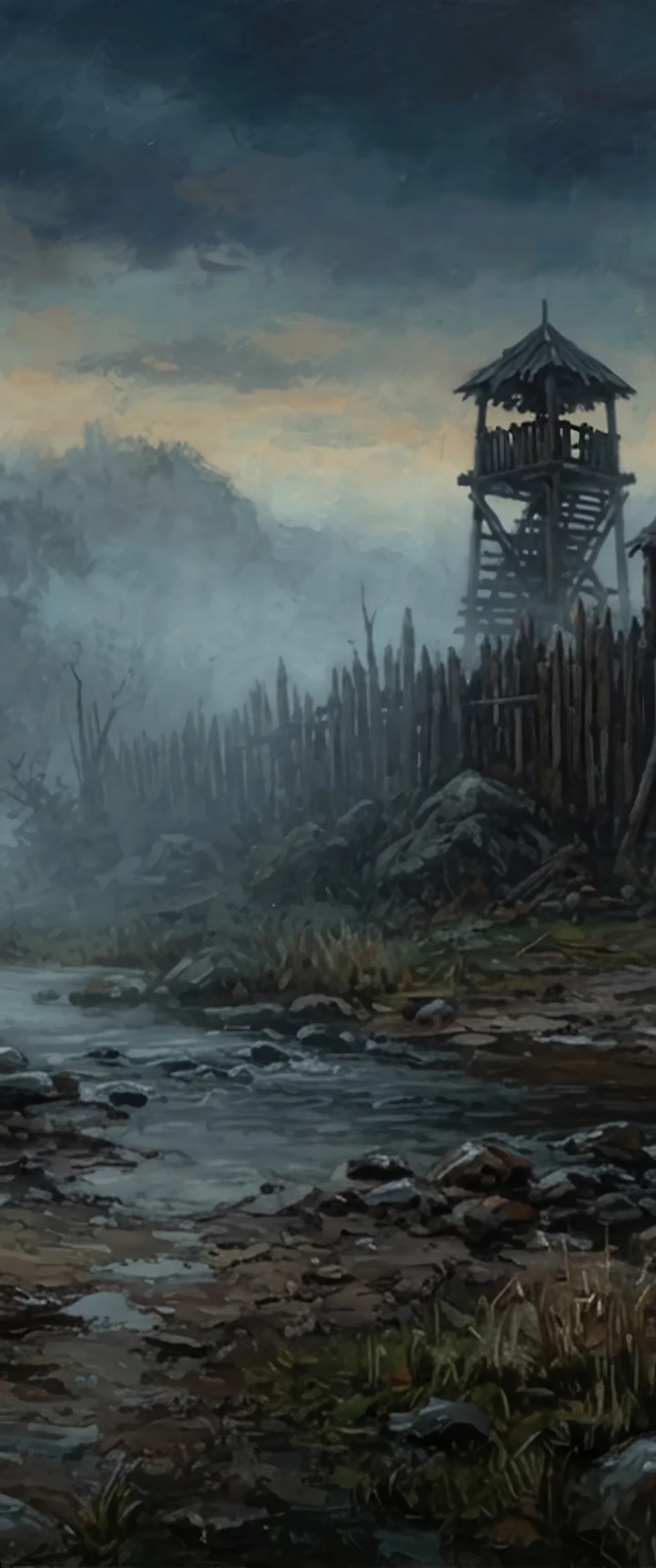
- Fantasy romance The Ash GateThe north road burned, the gate was opened from inside, and the warden has not slept in nine nights.
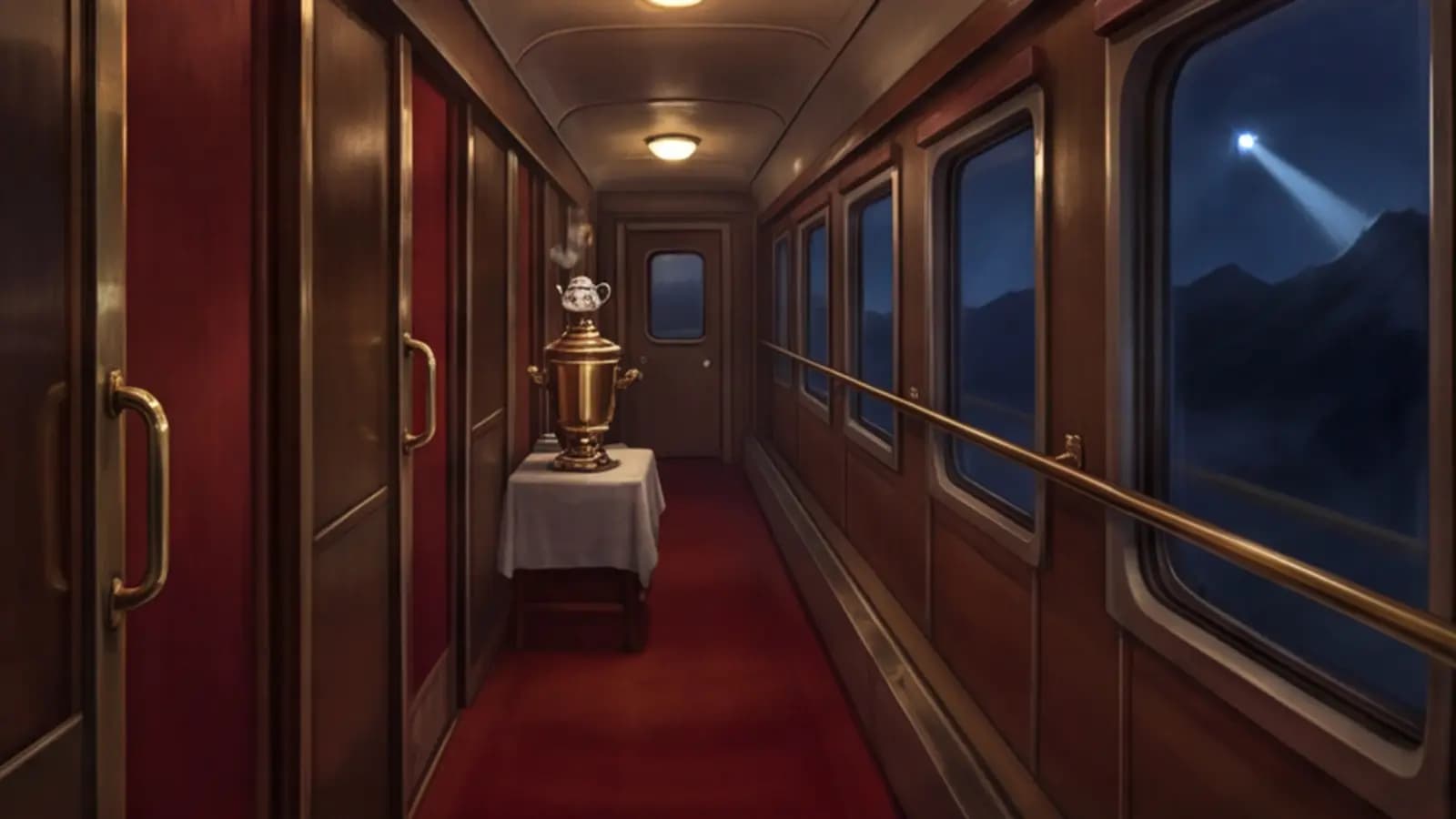
- Thriller The Night Train to BakuAn hour out of Tbilisi, a pipeline auditor lies dead in compartment four.
- Space opera Icarus CupA solar-sail race dives past the Sun once every eleven years.

The parts of the game
Game master
The player who runs the world. The game master describes each place, speaks for everyone the heroes meet and says what comes of an action. Different games call the role referee, narrator or storyteller.
Play: The FracturePlay this storyPlayer character
Each of the other players speaks for one character. The player decides what that person says, wants and risks, and the rest of the world belongs to the game master.
Play: The Night Train to BakuPlay this storyCharacter sheet
A page of notes that tells the table who the character is. It holds a history and a set of numbers: how strong, how quick, how sharp-eyed. The numbers are used when an outcome is in doubt.
Play: Icarus CupPlay this storyDice
When an action could fail, a roll decides. The result is adjusted by the character’s numbers and the circumstances, so a skilled character succeeds more often. Some games use cards instead, and some have no chance at all.
Play: The Ash GatePlay this storySession
One meeting of the group, usually a few hours long. A session often has the shape of an episode: a task, a few obstacles, a decision that matters, and a hook for next time.
Play: The Night Train to BakuPlay this storySession zero
A first meeting before the story begins. The group agrees on the kind of game it wants and on what should stay out of it. Characters are made together, so that they have reasons to travel as one party.
Play: The Ville de BrestPlay this storyCampaign
A chain of sessions with the same characters. Missions link into a longer plot with rising stakes, the characters’ numbers improve along the way, and a campaign can run for years.
Play: The Ash GatePlay this storyOne-shot
A whole adventure in a single session. It suits a group that cannot meet regularly, or one that wants to try a new set of rules without a long commitment.
Play: A Hundred BeadsPlay this story
Kinds of rule systems
Rules-heavy systems
Thick rulebooks with a procedure for most situations: combat in turns, lists of equipment, tables for travel. They reward planning and knowledge of the rules, and a fight can fill an evening.
Play: Icarus CupPlay this storyRules-light systems
A few pages of rules and one way of rolling for everything. The game moves quickly, the table improvises more, and the game master’s judgement fills the gaps.
Play: Two Purses, One FrogPlay this storySystems tied to a setting
Rules written for one world or one kind of story: horror investigations, space travel, sword and sorcery. Each has rules for what matters there, such as fear in a horror game or fuel in a space one.
Play: The Sixty-Hour VaultPlay this storyGeneric systems
One set of rules meant to carry any setting, from a western to a far future. The group learns the rules once and supplies the world itself.
Play: Two Deeds to Bonanza CreekPlay this storyDiceless and shared-narration games
Some games drop dice for cards, for tokens or for plain agreement. Others drop the single game master and hand the authority around the table, so that every player describes a part of the world.
Play: Exit InterviewPlay this story
Playing alone
Solo play with tables
A solo player has no game master to ask. Dice and tables of prompts give the answers instead: is the door guarded, what does the stranger want. Many players write the story down as a journal.
Play: The Truthful InkPlay this storySolo play with an AI narrator
An AI takes the game master’s seat. It describes the scene, speaks for every other character and writes what comes of each move, so one person can play at any hour.
Play: Icarus CupPlay this story
How a tabletop RPG is played
Play is a conversation. The game master describes a situation, the players say what their characters do, and the game master answers with what happens next.
Most actions simply succeed: a character who looks round a room is told what is in it. Dice come out only when the outcome is uncertain and failure would be interesting.
Neither a table nor paper is strictly needed. The word tabletop mainly sets these games apart from video-game RPGs and from live-action roleplay.
Why groups choose different systems
A system decides what the game pays attention to. Detailed combat rules make fights the centre of an evening. A game with rules for fear or debt turns the same evening towards dread or hard bargains.
Weight matters as well. A heavy system asks for study and gives precise answers. A light one starts almost at once and leans on the group’s sense of what is fair.
How solo play differs
The hardest thing to replace is surprise. A game master knows what waits behind the door, and a solo player has to get that answer from somewhere else.
On PlayAIStories the answer comes from an AI narrator. The player holds one hero. Each scene ends with several choices and a field for a move of one’s own, and risky moves are settled by a die.
The rules are the game’s own: a few skills, a trade and a die. It does not run the rules of any published tabletop system, and it does not replace a table of friends.