
Guide
Role-playing games: the main kinds, from tabletop to AI
Role-playing games are games in which each player speaks and acts as a character inside a shared story. The kinds below differ in where the game happens: at a table, in written posts, in costume, alone with a notebook, or on a screen.
Play a story like this
Ready stories from the library. The first scene opens right away, no account needed.
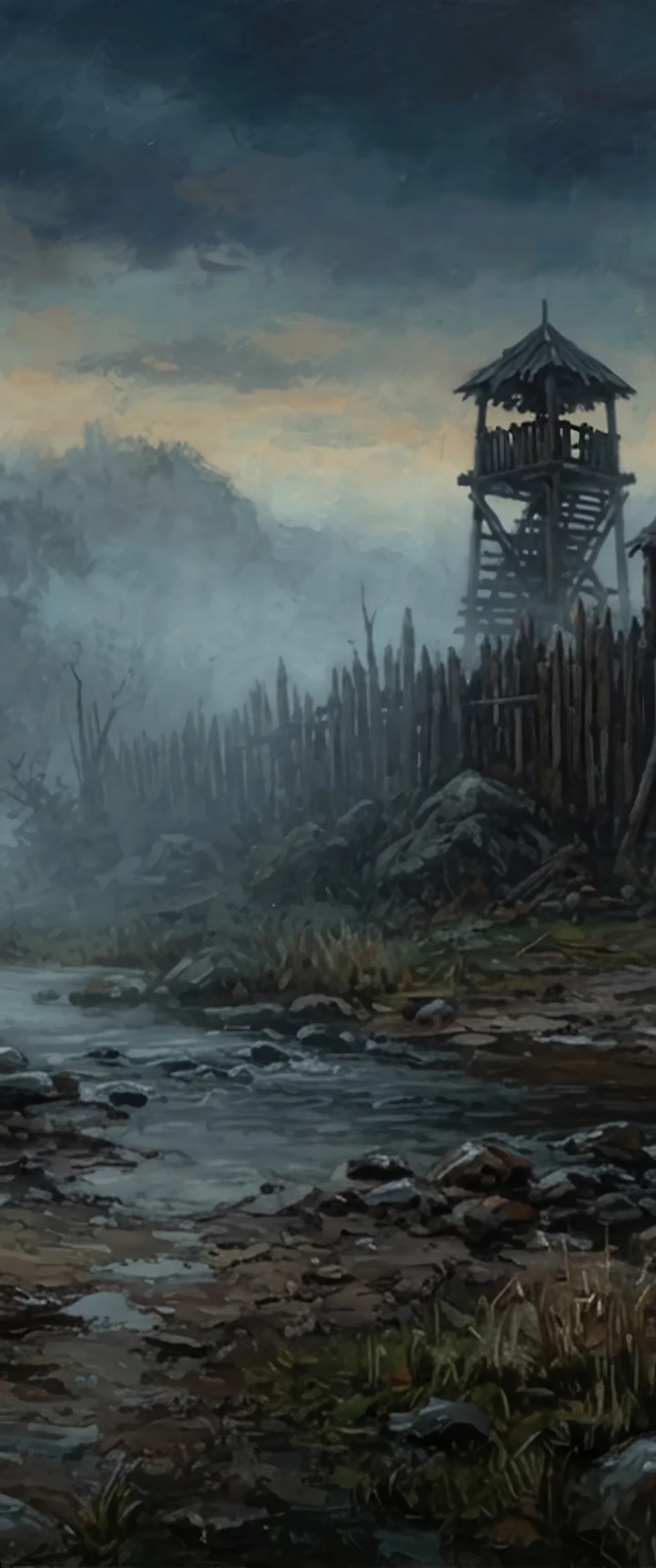
- Fantasy romance The Ash GateThe north road burned, the gate was opened from inside, and the warden has not slept in nine nights.
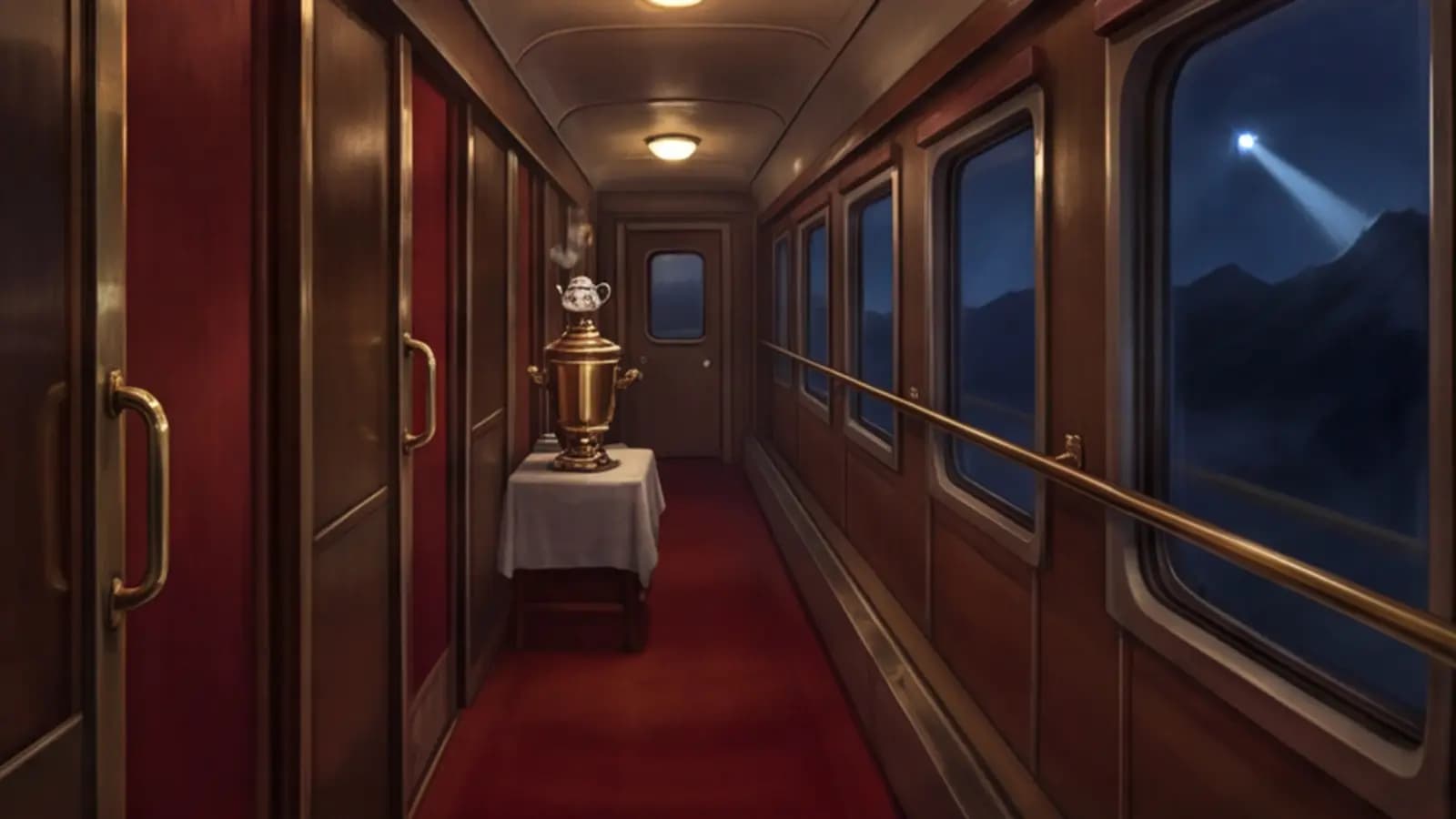
- Thriller The Night Train to BakuAn hour out of Tbilisi, a pipeline auditor lies dead in compartment four.
- Space opera Icarus CupA solar-sail race dives past the Sun once every eleven years.

Role-playing games at a table
Tabletop RPG
A group sits around a table. Each player speaks for one character, and a game master describes the world and plays everyone else. Rules and dice settle whatever is uncertain.
Play: The Ash GatePlay this storyCampaign
A long game played across many sessions with the same characters. Heroes grow stronger, old enemies return, and the story can run for months or years.
Play: The Night Train to BakuPlay this storyOne-shot
A complete adventure meant for a single evening. Characters are often handed out ready-made, the stakes are clear from the first scene, and nobody needs to survive for a sequel.
Play: Nine Apple TreesPlay this storyStorytelling game
A rules-light kind in which the players share the narrator’s job. Some of these games have no game master at all, and the rules mostly decide who tells what happens next.
Play: The FracturePlay this story
In writing and in costume
Play-by-post and text roleplay
The game is written. Players take turns posting what their characters do and say, on a forum or in a chat, and a scene can last days. It reads like a story with several authors.
Play: The Night Train to BakuPlay this storyFreeform roleplay
Roleplay with no rule system. There are no dice or character sheets, only an agreement between the players about the world and about what is fair.
Play: Forty Days of GracePlay this storyLARP
Live-action role-playing. Players dress as their characters and act them out in a real place, a forest, a hall or a rented castle. Organizers set the plot and the safety rules.
Play: The Ash GatePlay this story
Alone and on a screen
Solo RPG
A role-playing game for one. Dice and tables of prompts answer the questions a game master would answer, and many players keep the story as a journal.
Play: The Ville de BrestPlay this storyVideo-game RPG
The computer handles the rules. The player builds a character with skills and equipment, takes quests, gains levels and often shapes the plot through dialogue choices.
Play: The Truthful InkPlay this storyOnline RPG with many players
A video-game RPG in a world shared by a great number of people at once. The world keeps running when a player logs off, and groups form guilds to take on the hardest tasks.
Play: The Ash GatePlay this storyAI-narrated roleplay
An AI takes the game master’s seat. It describes the scene, speaks for every other character and writes what comes of each move, so one person can play at any hour.
Play: The Night Train to BakuPlay this story
What all kinds have in common
Every role-playing game has a character, a world and an open question: what does the character do now? The answer is not picked from a fixed list of moves, as in chess. It is said, written or acted.
Most kinds also have someone who answers back. At a table it is the game master, on a forum the other players, in a video game the program. The game lives in that exchange.
How the kinds differ
The first difference is who runs the world. A person can bend the story around a surprising idea. A program is always available, but it only knows the moves its makers wrote.
The second is how chance works. Tabletop games roll dice in the open, video games calculate out of sight, and freeform roleplay leaves everything to agreement.
The third is time. A campaign needs the same people free on the same evening. A play-by-post game moves a few posts a day, and a solo game waits for one person only.
Where an AI narrator fits
On PlayAIStories the AI is the narrator and the whole cast, and the player holds one role, the hero. A story opens with a scene, and each scene ends with several choices and a field for a move of one’s own.
Risky moves are settled by a die, as at a table. Before the choice the game shows the odds in plain words and what helps or hinders: a skill, a trade, how much a character trusts the hero. The die can be switched off for a story.