
Guide
Rolka: text-based roleplay as Russian-speaking players know it
Rolka is the everyday word for text-based roleplay in Russian-speaking communities: a story that several people write together, each speaking for one character. This guide explains the word, where such games are played and how a post is built.
Play a story like this
Ready stories from the library. The first scene opens right away, no account needed.
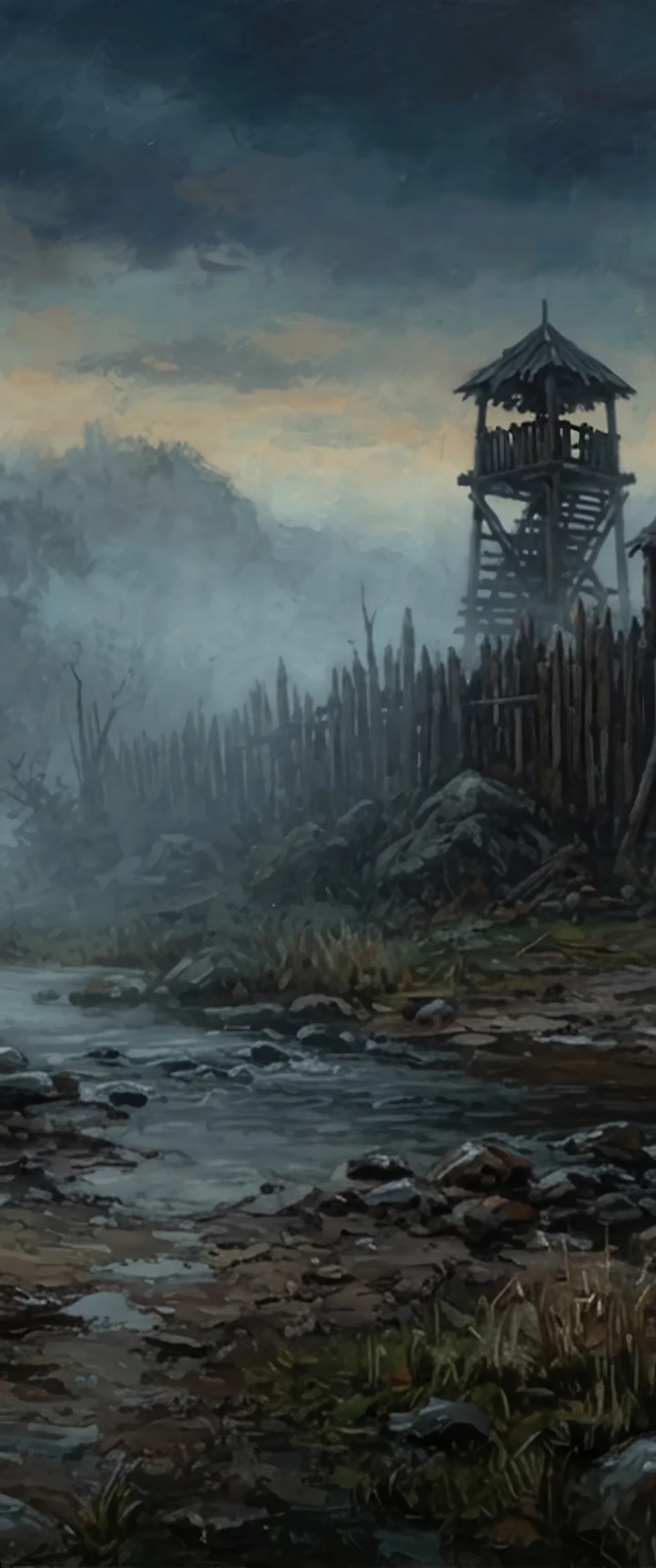
- Fantasy romance The Ash GateThe north road burned, the gate was opened from inside, and the warden has not slept in nine nights.
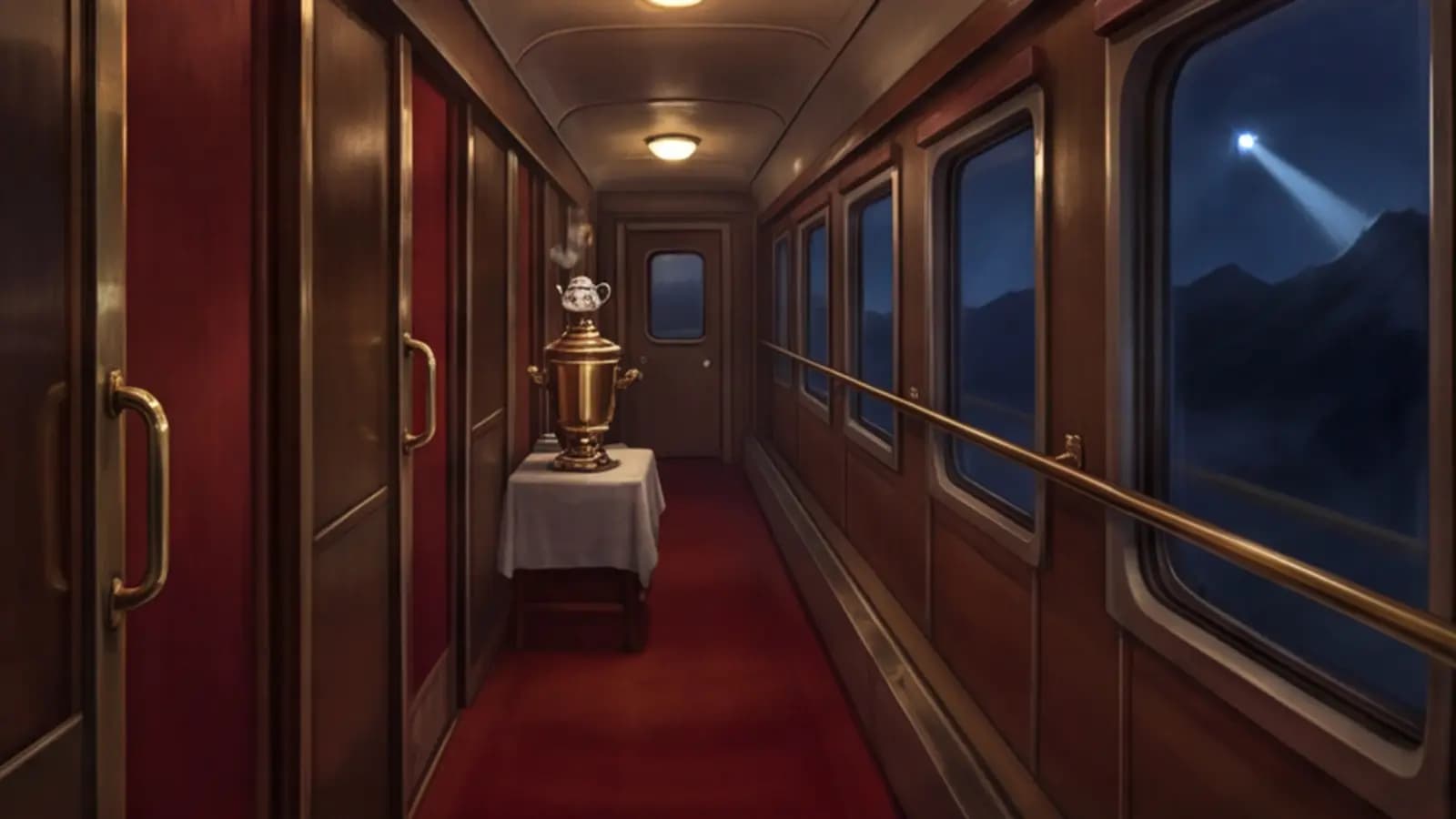
- Thriller The Night Train to BakuAn hour out of Tbilisi, a pipeline auditor lies dead in compartment four.
- Space opera Icarus CupA solar-sail race dives past the Sun once every eleven years.

Where text-based roleplay is played
Forum roleplay
The older home of the rolka. A forum holds one world, with sections for places, a list of accepted characters and a team of moderators. Posts are long, and an episode can run for weeks.
Play: The Ash GatePlay this storyChat roleplay
The same game in a group chat of a social network or a messenger. Replies are shorter and faster, several scenes may run at once, and a separate chat is kept for talk out of character.
Play: The Night Train to BakuPlay this storyRoleplay for two
A private game between two players in direct messages. Each writes one main character and, between them, the rest of the world. Many long-running stories are played this way.
Play: Icarus CupPlay this storyRolka with AI
The partner is an AI that answers at once and at any hour. It can hold one character or act as narrator for the whole scene, which is why the word has moved over to AI chats so easily.
Play: The Ash GatePlay this story
What a rolka is made of
The character sheet
Called “anketa”, a form. Before joining, a player fills in the character’s name, age, looks, temper and history, and a moderator accepts it or asks for changes.
Play: The Night Train to BakuPlay this storyThe post
One turn of the game: a piece of prose, usually in the third person and the past tense, with what the character did, said and thought. It ends where the partner has something to answer.
Play: Icarus CupPlay this storyThe master
The game master of a rolka. The master describes the world, plays its other inhabitants, starts plot events and settles disputes. Small games do without one.
Play: The Ash GatePlay this storyThe partner
Called “soigrok”, a co-player. A good one gives hooks: leaves a question open, lets a plan fail, makes room for the other character to act.
Play: The Night Train to BakuPlay this story
Styles of posts
Short lines with asterisks
The quick chat style. Actions go between asterisks, speech is written plainly, and a turn is a line or two. It moves fast and feels like a conversation.
Play: Icarus CupPlay this storyLiterary posts
Full paragraphs of narration, as in a novel: setting, gesture, thought, dialogue. Players who write this way often state a minimum length when looking for a partner.
Play: The Ash GatePlay this story
What the word means
“Rolka” is a casual short form of the Russian for role-playing game. It is not used for costumed live games or for video games. A rolka is written: players take turns posting text.
The verb is “rolit”, to roleplay, and the playing out of a character is “otygrysh”. English-speaking players know the same hobby as play-by-post or text roleplay.
The word is slang and has no fixed English spelling. It is given here in plain transliteration.
How a game runs
A game starts with a world and its rules: the setting, what is allowed, how long a post should be. Players send in character sheets and are accepted.
Then scenes open. Whoever starts describes the place and the moment, and the others answer in turn. Nobody writes another player’s character without leave, and that courtesy holds the whole form together.
There are usually no dice. What succeeds is settled by the master or by agreement between the players.
How AI roleplay continues the tradition
The oldest trouble of a rolka is waiting: for a partner to answer, for a master to come back, for a game not to die. An AI partner removes the wait.
On PlayAIStories the AI is the narrator and plays the whole cast, and the player holds one role, the hero. Each scene ends with several choices and a field for a move of one’s own, written as freely as a post.
Unlike an open chat, the story has a plot with stakes and an ending. Risky moves are settled by a die, which can be switched off for a story.