PlayAI Stories
Sign in

Guide

Gamebooks: books where the reader decides what happens

Gamebooks are books read out of order: a passage ends with a decision, and the decision names the passage to turn to. The main kinds are sorted below, from branching-path paperbacks to solo adventures with dice and a character sheet.

First scene

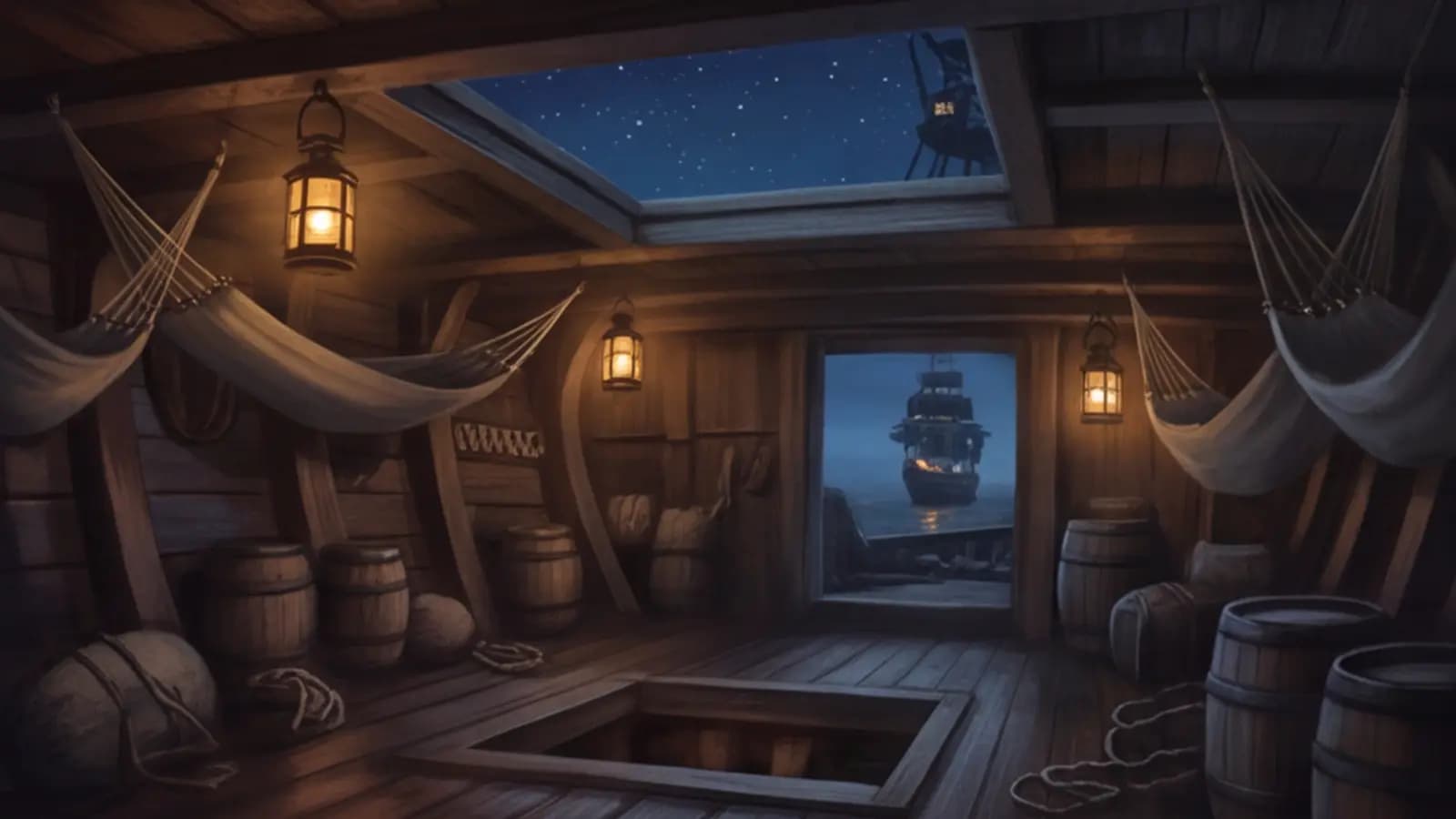
Marked for Kur
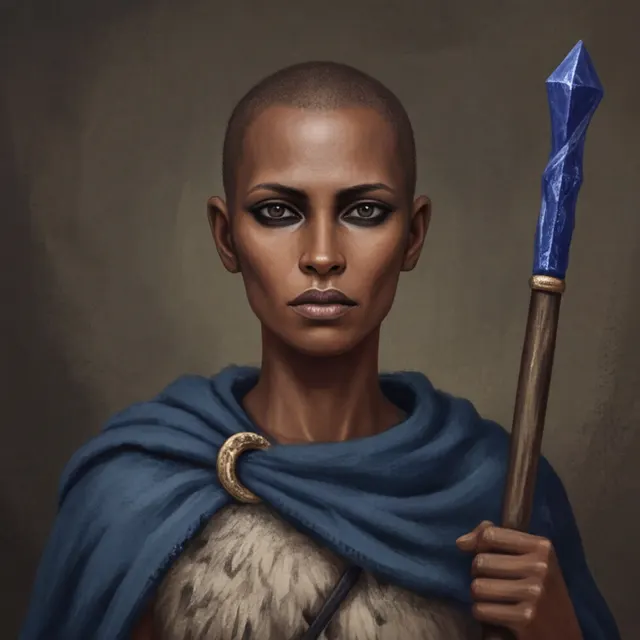
Ninshubur

Orchard-keeper. Three days I wept for my queen, three days I beat the drum. I do not ride out at dawn for nothing. We must speak before that thing does more than ask questions.

Narrator

Far off, over the marshes where the shepherds live, a column of smoke is rising.

What will the hero do?

Start the story

The scene goes on from the choice made.
Play a story like this

Ready stories from the library. The first scene opens right away, no account needed.

Classic kinds of gamebooks

  • Branching-path book

    The simplest kind. A page of story ends with two or three options, and each option sends the reader to another page. There are no dice and no scores, only a tree of paths with many endings.

    Play: The Ville de BrestPlay this story
  • Numbered-paragraph adventure

    The text is cut into several hundred numbered sections and shuffled. Every choice gives a number to turn to. Most paths end badly, and finding the one that wins takes several attempts and often a hand-drawn map.

    Play: The Ash GatePlay this story
  • Solo RPG book with dice

    A numbered-paragraph adventure with rules on top. The reader rolls up a hero, keeps a sheet with scores such as skill, stamina and luck, and fights monsters with two dice and a pencil.

    Play: Nine Hundred in the DarkPlay this story
  • Gamebook series with one hero

    A run of books that form one campaign. The hero keeps equipment and learned skills from volume to volume, so a choice made in the first book can still matter in the fourth.

    Play: Nine Apple TreesPlay this story
  • Comic gamebook

    The same idea drawn as a comic. Panels carry numbers instead of paragraphs, and the path is often hidden in the picture itself: a door, a signpost, a number on a wall.

    Play: The Truthful InkPlay this story

Neighbours of the gamebook

  • Solo adventure for a tabletop RPG

    A booklet written for the rules of an existing tabletop role-playing game. It lets one person play a character without a game master, with the numbered text standing in for one.

    Play: A Hundred BeadsPlay this story
  • Casebook mystery

    The reader is a detective with a map, a directory and a list of leads. Each lead is a numbered passage, and at the end the reader’s solution is compared with the true one.

    Play: The Sixty-Hour VaultPlay this story
  • Interactive novel

    A long, prose-first story, usually digital. Choices shape who the hero is and how others feel about them, and the text keeps count out of sight. Sudden deaths are rare.

    Play: A Hundred BeadsPlay this story
  • Gamebook app

    A classic gamebook moved to a phone or a computer. The program keeps the sheet, rolls the dice and remembers the path, so nothing is tracked by hand.

    Play: Forty Days of GracePlay this story
  • AI-written story

    Nothing is printed in advance. The scene is written when the reader reaches it, and besides the offered choices a move can be typed in ordinary words.

    Play: The Ville de BrestPlay this story

What makes a book a gamebook

A gamebook speaks to one reader and makes that reader the hero. The text stops at each fork, lists the options and waits. Nothing happens until a page is turned.

The kinds differ in how much game sits on top of the book. A branching-path book asks only for a decision. A solo RPG book asks for dice, a pencil and a sheet of paper, and the hero can lose a fight the reader chose to start.

What all of them share is a fixed text. Every path was written, numbered and printed before the first reader opened the cover.

How an AI story differs

In an AI story on PlayAIStories no path is laid out in advance. A story starts from one line with a premise, and each scene is written when it is reached. A scene is a few paragraphs of prose with characters who speak in their own voices.

Every scene ends with several choices, as a gamebook passage does, and there is always room to write a move of one’s own instead. Risky moves are settled by a die. Before the choice the game shows the odds in plain words, and a failed roll turns the story instead of ending it.

The story keeps the record a gamebook leaves to the reader’s pencil: what happened, who was met and what each character remembers.

Questions

Is a gamebook the same as a choose-your-own-adventure book?
In everyday speech the two are often used as one. Strictly, the second is the name of one well-known series of branching-path books. Gamebook is the general word, and it also covers adventures with dice and a character sheet.
What is needed to play a gamebook?
A branching-path book needs nothing but the book. A solo RPG book usually asks for two six-sided dice, a pencil and an eraser, and many print a sheet for the hero inside the cover.
Can a gamebook be played online?
Classic gamebooks exist as apps that keep the sheet and roll the dice. An AI story is a different thing: the text is not a converted book, it is written scene by scene as the story is played.
Is it free?
Catalog stories are free to play in the browser, with or without an account, and nothing is downloaded. An account gets keys every month, the free plan included. Keys pay for an own story and its scenes, cheaper on higher plans, and paid plans open scene pictures, voiceover and music for keys. The pricing page has the numbers.