
Guide
Solarpunk: the genre of green, hopeful futures
Solarpunk is speculative fiction and art about ecologically sustainable futures, often described as the inverse of cyberpunk. This guide covers the marks of the genre, its look and its neighbours, each with a premise to play.
Play a story like this
Ready stories from the library. The first scene opens right away, no account needed.
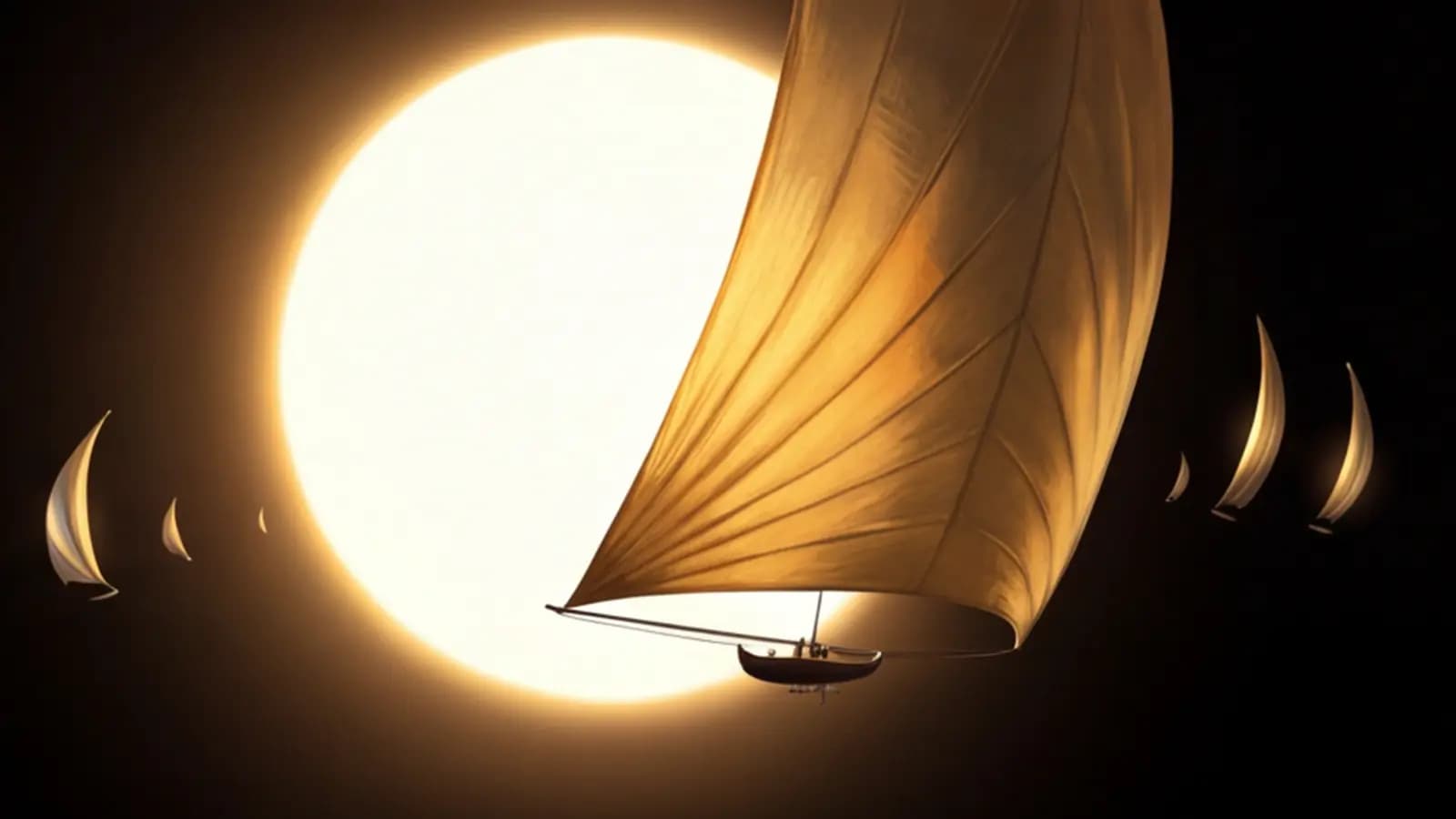
- Space opera Icarus CupA solar-sail race dives past the Sun once every eleven years.
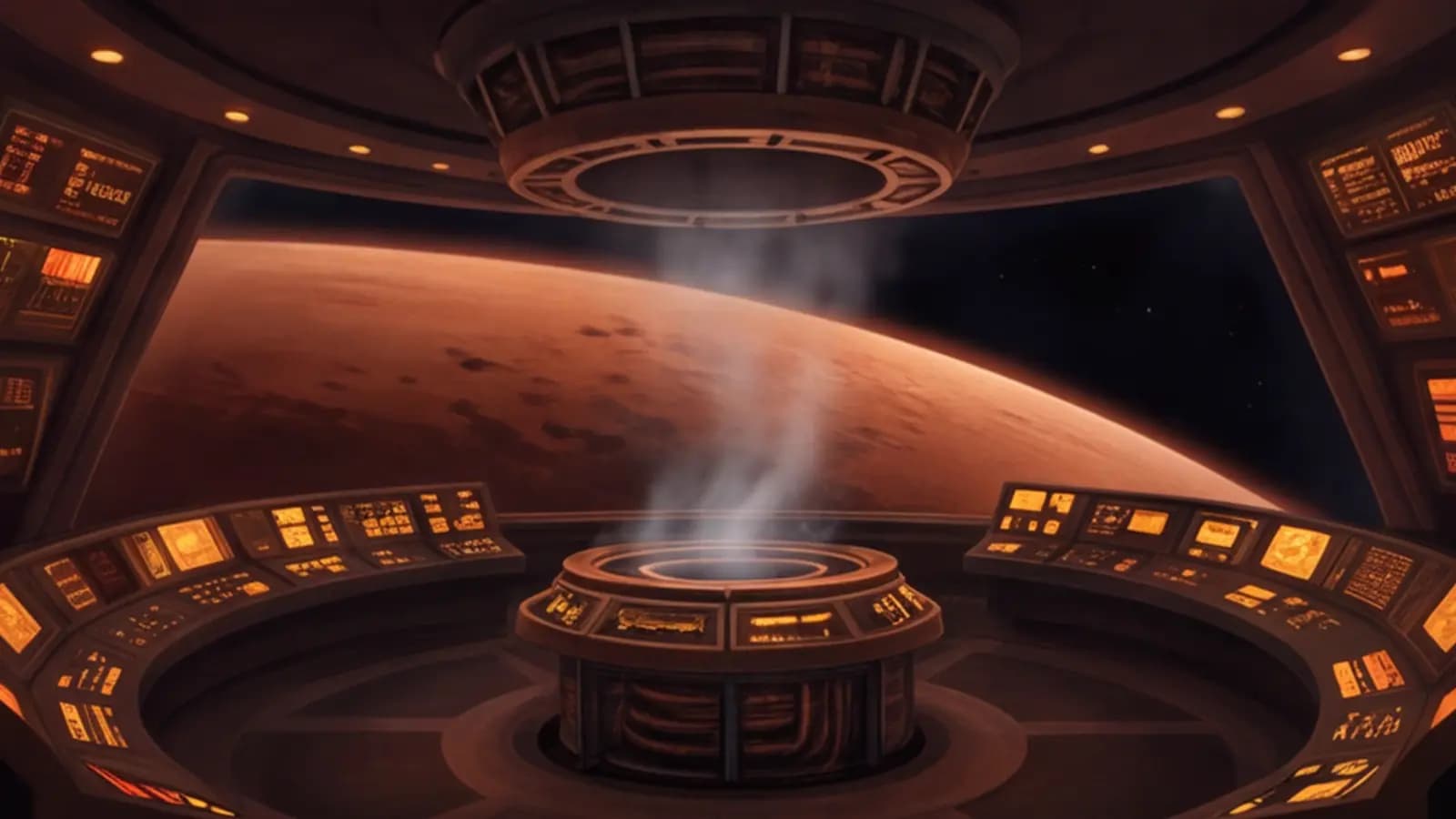
- Space opera Before the Minds SetA systems engineer on a station orbiting Mars wakes up in the commander’s body after a mind-transfer test misfires, with seventy-two hours to switch back.
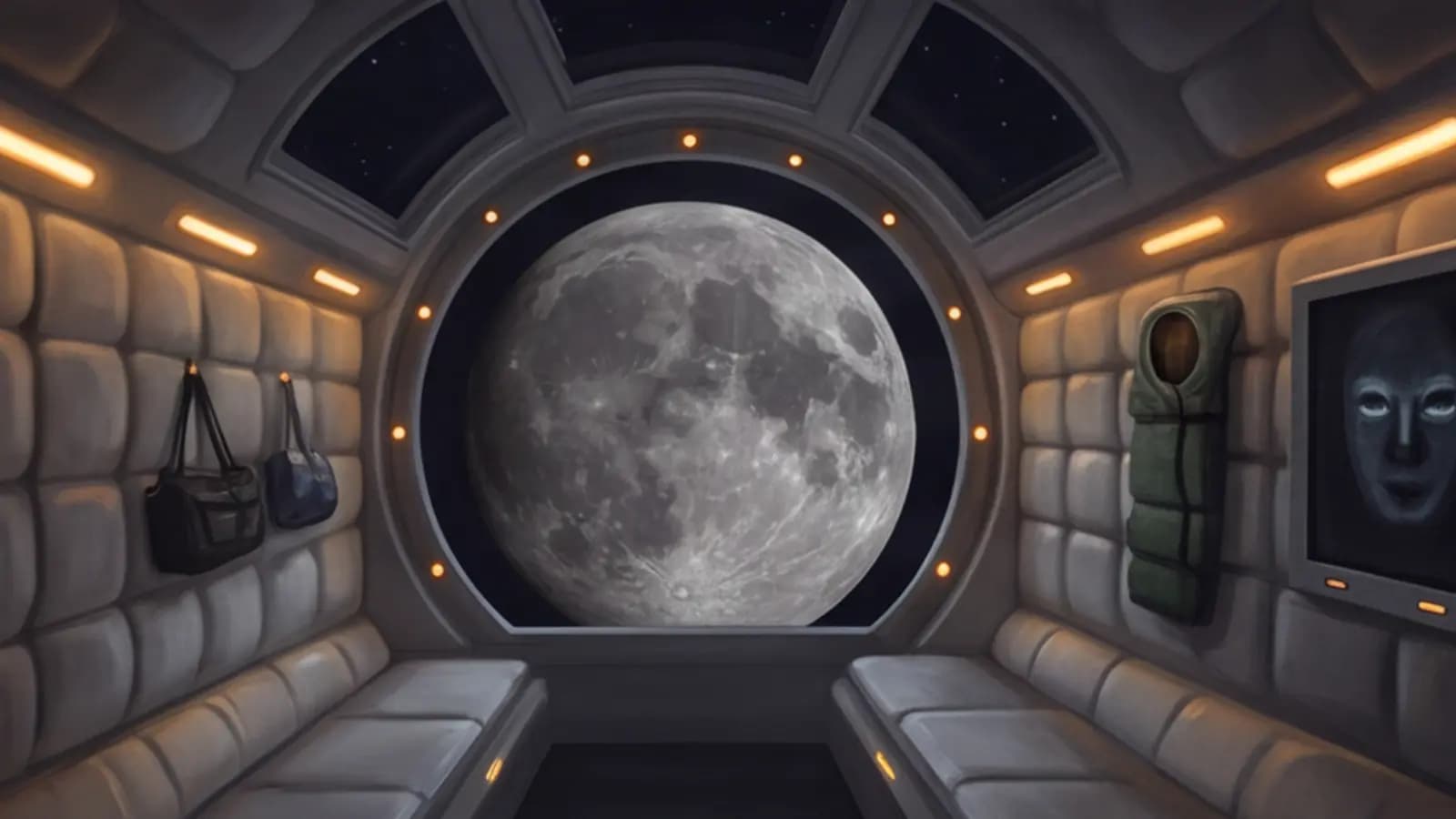
- Sci-fi The Station Is in LoveBeyond the far side of the Moon, a relay station’s AI falls in love with its engineer.
Marks of solarpunk
Clean energy
The world has moved, or is moving, away from polluting power. Sun and wind are the obvious sources, and the move itself is a group effort rather than one inventor’s gift.
Play: The Ash GatePlay this storyHope as a choice
The “solar” in the name stands for optimism. The genre rejects environmental despair and asks what a good future would look like, without pretending the road there is easy.
Play: Before the Minds SetPlay this storyCommunity first
Change happens in neighbourhoods, ecovillages and shared workshops: people growing their own food, fixing their own tools and deciding things together.
Play: The FracturePlay this storyTechnology that fits nature
Technology is not the enemy. Solarpunk stories favour machines that work with the natural world and serve social, economic and environmental ends together.
Play: Icarus CupPlay this storySmall and local
Power, in both senses, is spread out. The genre draws on decentralised and anti-consumerist ideas, so the heroes are more often a cooperative than a corporation.
Play: Before the Minds SetPlay this story
The solarpunk aesthetic
Green and blue
Solarpunk art favours natural colours, bright greens and blues, and a solarpunk city is drawn alive with plants and light rather than neon and smog.
Play: Kedrograd-7Play this storyArt Nouveau over Victorian brass
Where steampunk leans on Victorian machinery, solarpunk borrows the flowing lines of Art Nouveau, and some of the Arts and Crafts movement’s love of handmade things.
Play: The Bank Closes ThursdayPlay this storyMany cultures
The look draws on many cultural origins and shares ground with Afrofuturism and retrofuturism, so a solarpunk world need not look European.
Play: Exit InterviewPlay this storySails on the sea
The anonymous blog post that proposed the genre in 2008 took a cargo ship, the MS Beluga Skysails, as its design inspiration: trade, but powered differently.
Play: The Station Is in LovePlay this story
Neighbours of solarpunk
Cyberpunk
High technology and low life, ruled by corporations. Solarpunk is often called its inverse: the same interest in technology and society, with the opposite mood.
Play: The Guest in the FjordPlay this storySteampunk
Solarpunk is often counted closer kin to steampunk than to cyberpunk. The two part ways over power: steam on one side, the sun on the other.
Play: The Colonel of the Belle OmbrePlay this storyHopepunk
A term proposed by the fantasy author Alexandra Rowland in 2017 as the opposite of grimdark. Its characters face injustice and even horror and still choose to act, with collective effort and radical kindness.
Play: Dead Air on Line FourPlay this storyFake solarpunk
The writer Adam Flynn warns that the look can be greenwashed. A luxury tower with a green roof that pushes out its neighbours is, in his words, fake solarpunk urbanism.
Play: Icarus CupPlay this story
What solarpunk is
Solarpunk is a genre of speculative fiction and art that imagines ecologically sustainable futures. Its subject is how people live once energy is clean and communities are strong, not how the world ends.
It is also practised beyond fiction, in ecovillages, community gardens and do-it-yourself projects. The cyberpunk guide covers the darker genre it answers.
Where the word came from
The term dates from 2008, when an anonymous author proposed it in a blog post titled “From Steampunk to Solarpunk.” A 2012 anthology was one of the first books to use it openly: Solarpunk: Ecological and Fantastical Stories in a Sustainable World.
In 2014 the writer Adam Flynn took up the idea in his notes for Project Hieroglyph, after a piece of solarpunk concept art had circulated on Tumblr.
A hopeful future played scene by scene
On PlayAIStories one line with a premise is enough to start. The game builds the world and the cast and shows them before the first scene, where names, roles and tempers can be changed.
Each scene ends with several choices and a field for a move of one’s own. Risky moves, such as climbing a wind turbine in a storm, are settled by a die, and a failed roll turns the story instead of ending it.