
Guide
Horror tropes: the final girl, the jump scare and other old fears
Horror tropes are the familiar parts of a frightening story: the final girl, the warning nobody heeds, the sudden noise in the dark. This guide sorts them into people, places and tricks of telling, each with a premise to play.
Play a story like this
Ready stories from the library. The first scene opens right away, no account needed.
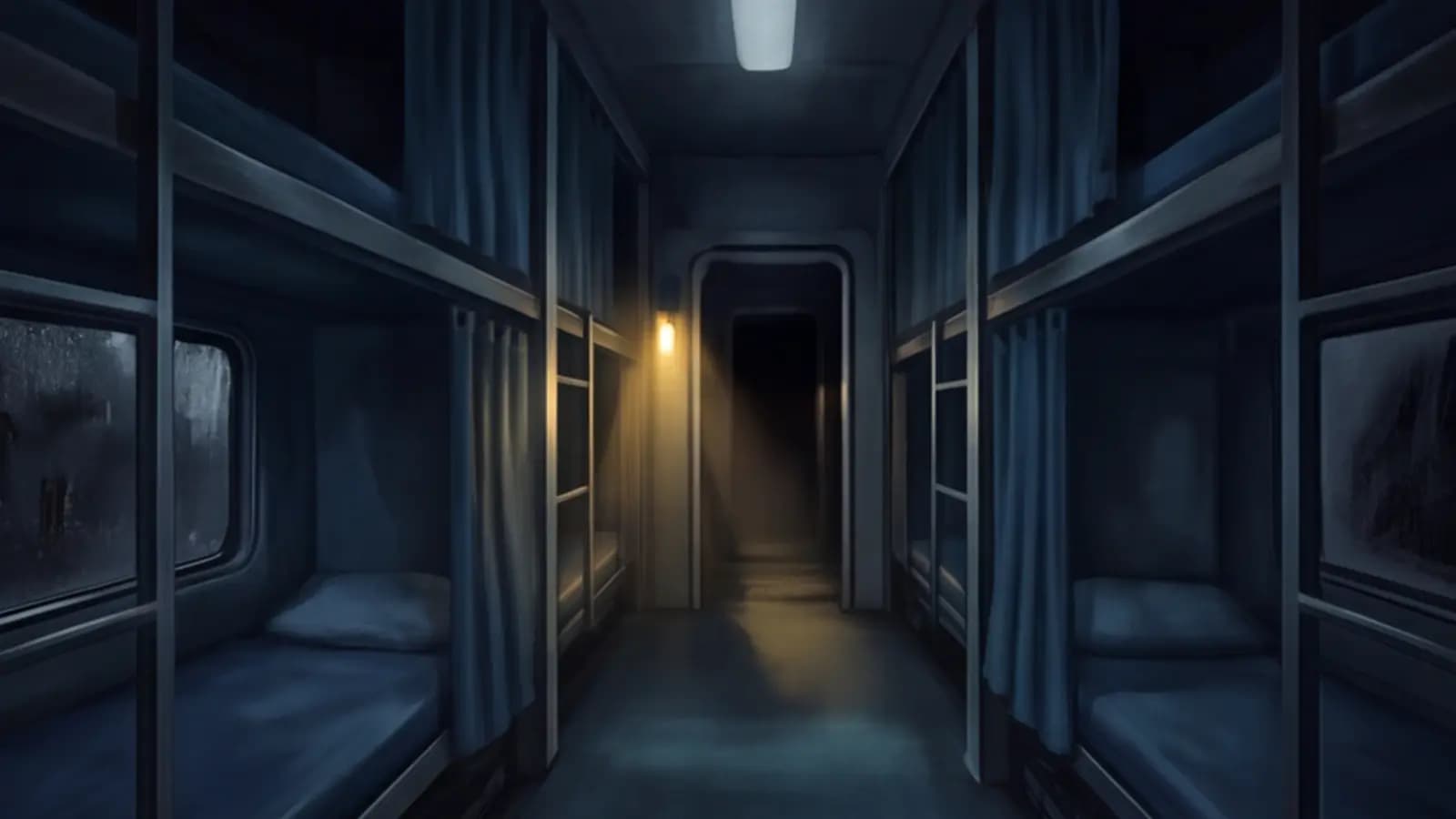
- Survival horror Nine Hundred in the DarkMonsoon landslides seal an overnight express inside a mountain tunnel.
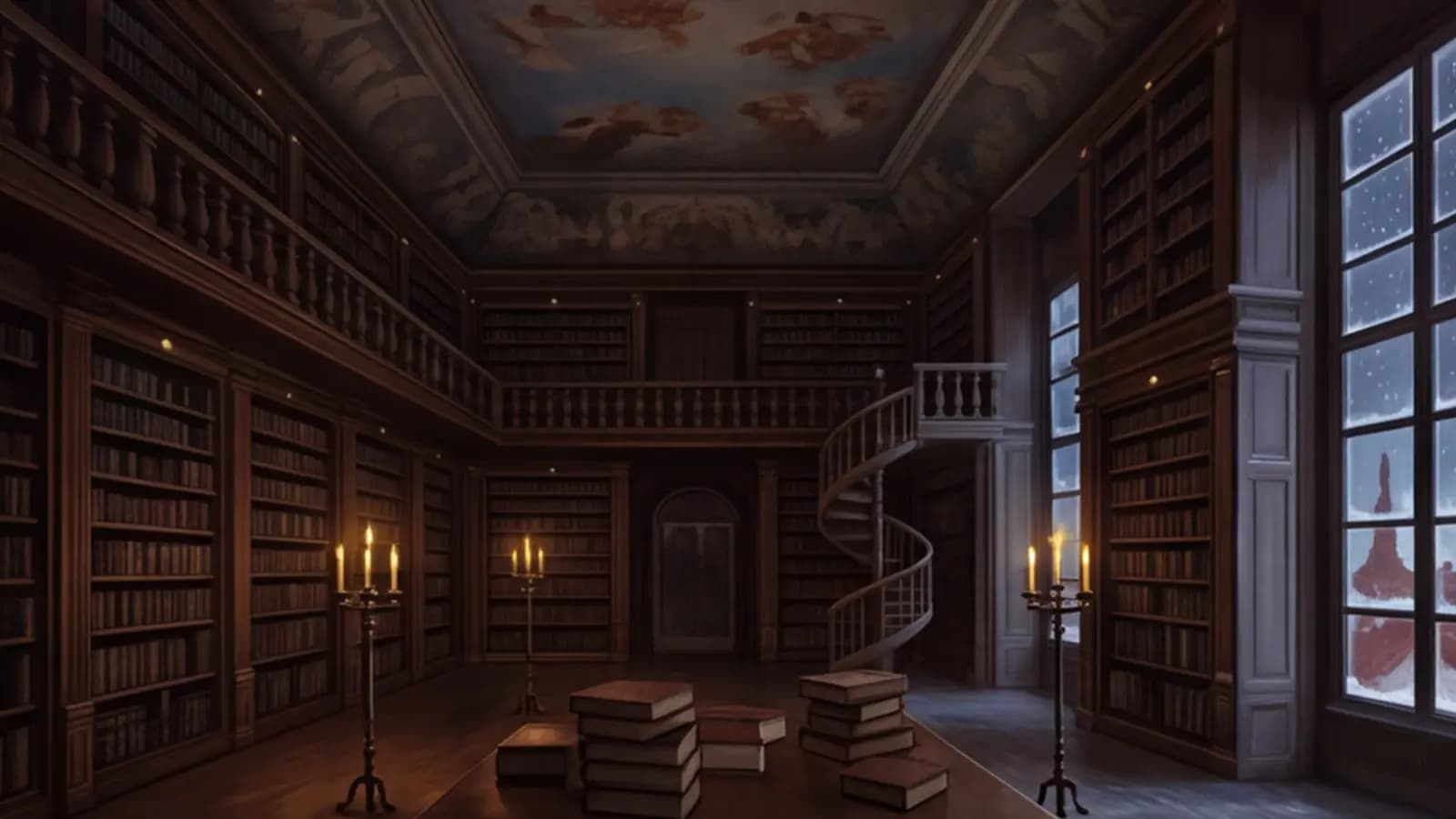
- Vampire stories The Red Book of Malá StranaPrague, January.
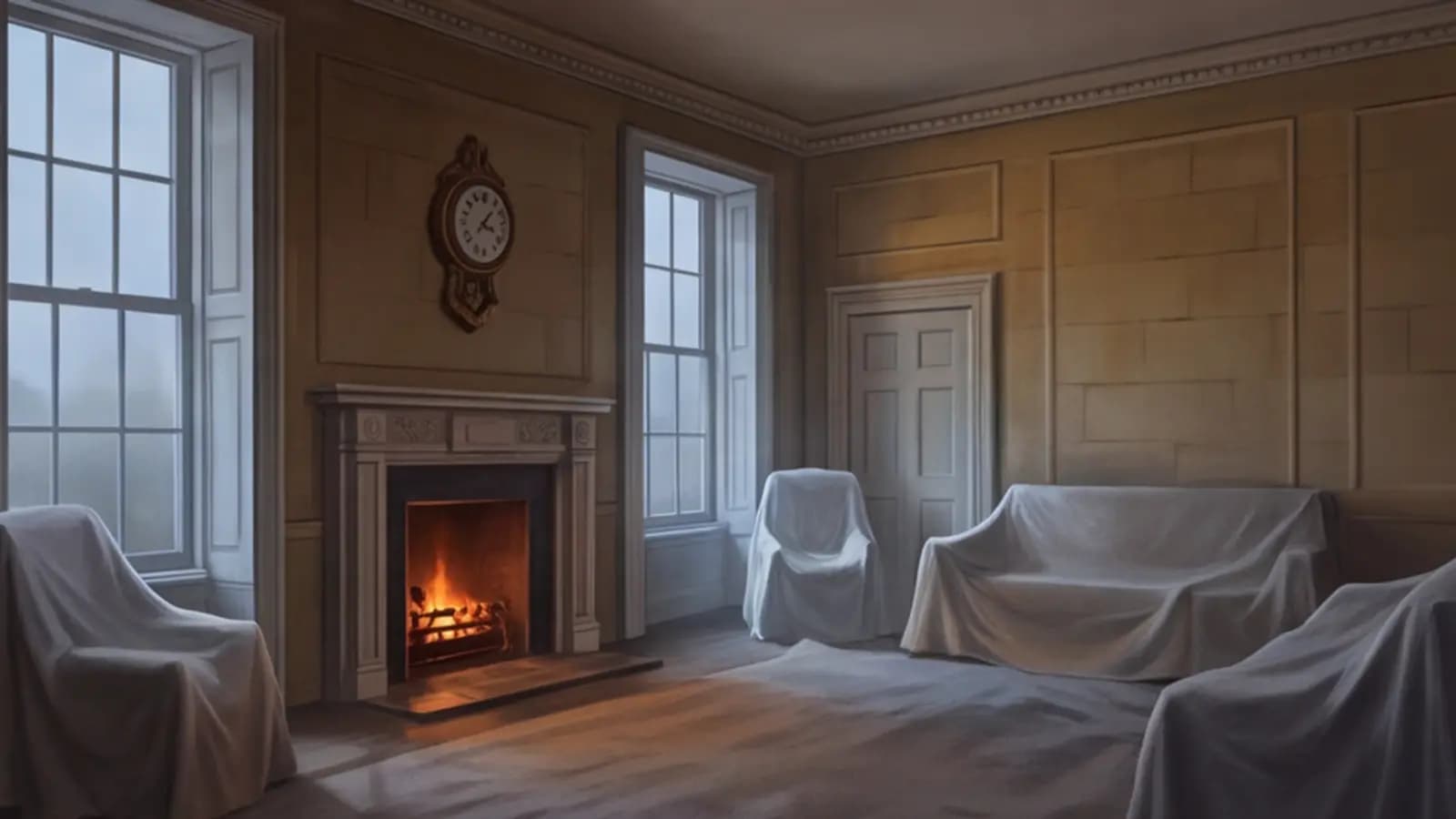
- Haunted house The House That Keeps TimeConstance Ruddock’s will leaves a sandstone house in Tasmania to whoever winds its thirteen clocks before midnight for thirty nights.
People of horror
The final girl
The last one standing, who faces the killer at the end. The critic Carol J. Clover named her in 1987 and described her as watchful, curious and practical, the one who investigates.
Play: The Sixty-Hour VaultPlay this storyThe warning nobody heeds
An old local, a frightened shopkeeper or a note in a drawer tells the newcomers to stay away. They do not, or there would be no story.
Play: The FracturePlay this storyThe skeptic
One character explains everything away: the draught, the pipes, the nerves. Their certainty sets up the moment it breaks.
Play: The House That Keeps TimePlay this storySplitting up
The group decides to search the building in pairs. It is easy to laugh at, and it works because each person alone is a new scene of dread.
Play: Nine Hundred in the DarkPlay this storyThe one who sees
A single person notices what the others cannot: a figure in a photo, a voice on a tape. Nobody believes them until too late.
Play: The Red Book of Malá StranaPlay this story
Places and objects
The house with a past
The cheap rent, the long-empty rooms, the previous owner nobody mentions. The oldest surviving report of a haunted house comes from Pliny the Younger, about a villa in Athens.
Play: Casa SolanaPlay this storyThe cursed object
A mirror, a music box, a painting bought at an estate sale. Whoever owns it suffers, and getting rid of it is never as easy as throwing it away.
Play: The Ash GatePlay this storyCut off
No signal, no road out, no neighbor for miles. Isolation removes rescue and makes every choice the characters’ own.
Play: The Red Book of Malá StranaPlay this storyThe basement and the attic
The parts of the house nobody uses. Stairs down mean the buried past; stairs up mean what the family hid away.
Play: The House That Keeps TimePlay this story
Tricks of the telling
The jump scare
A sudden sound or face after a long silence. It is often traced to Cat People (1942), where a loud bus breaks a tense walk at night. The trick is sometimes called the Lewton Bus, after the film’s producer.
Play: Nine Hundred in the DarkPlay this storyThe call from inside the house
An urban legend told since the 1960s: a babysitter gets threatening calls, and the police trace them to the house she is in. The danger was never outside.
Play: The Red Book of Malá StranaPlay this storyThe false ending
The monster falls, the survivors breathe, and then one last movement. The trope lives on the reader’s relief.
Play: Nine Apple TreesPlay this storyThe monster seen late
Glimpses, shadows and sounds for most of the story, and the full view only near the end. What is not shown is filled in by fear.
Play: Three Hundred Years of TracksPlay this story
What a horror trope is
A horror trope is a familiar part of a frightening story: a character type, a place, a trick of timing. Readers and viewers know them, and the best stories use that knowledge.
A trope turns into a cliché when the story only repeats it. Used with intent, it sets up an expectation that can be met at the worst moment or broken.
Older than film
Several horror movie tropes are far older than cinema. Pliny the Younger wrote of a villa in Athens where a chained ghost appeared at night, until digging in the courtyard found a chained skeleton.
Horace Walpole’s The Castle of Otranto, from 1764, is called the first Gothic novel and is set in a haunted castle. The family secret and the crumbling house of ghost stories grew from there.
Using horror tropes against the reader
Since the reader knows the trope, the story can play with timing. The jump scare can be held back, the warning can turn out to be the threat, the final girl can be the one nobody expected.
The kinds of fear differ by subgenre. The types of horror each lean on their own tropes, from the slasher’s final girl to the ghost story’s house.
A horror story, played
A reader watches the hero go down the cellar stairs. In a played story on PlayAIStories the decision to go down is the player’s own.
Each scene ends with several choices and a field for a move of one’s own. Risky moves, such as running or forcing a door, are settled by a die, and the odds are shown in plain words first. A failed roll turns the story instead of ending it.
Dark themes are allowed, and such stories carry an 18+ mark.