
Guide
Fantasy races: the peoples of fantasy worlds and their roots
Fantasy races are the peoples who share an invented world with humans: elves, dwarves, giants, orcs and others. This list gives each one’s roots in myth and folklore, the part fantasy usually hands it, and a premise to play.
Play a story like this
Ready stories from the library. The first scene opens right away, no account needed.
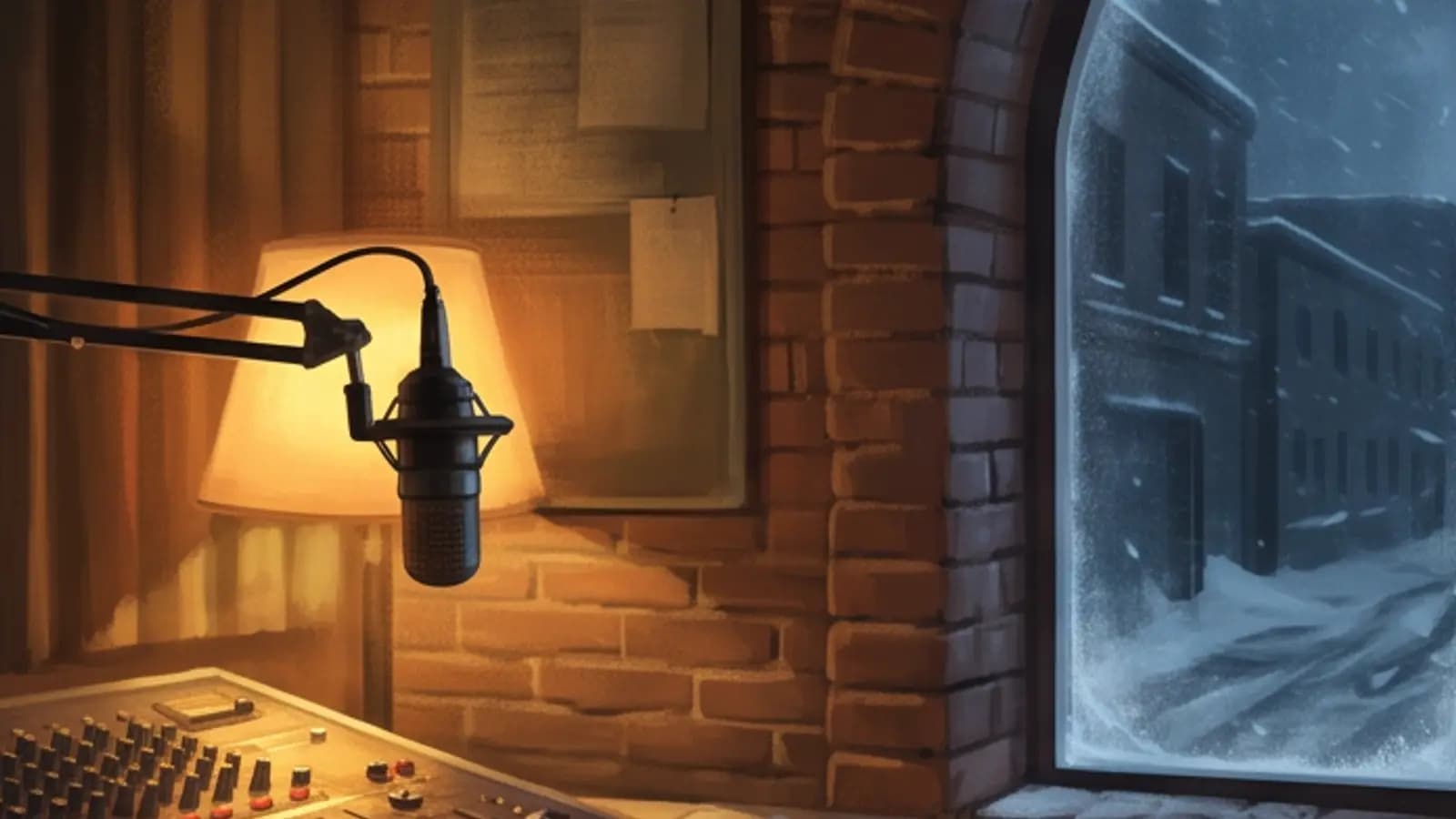
- Ghost stories Dead Air on Line FourA radio host in Winnipeg answers the line that only rings in blizzards.
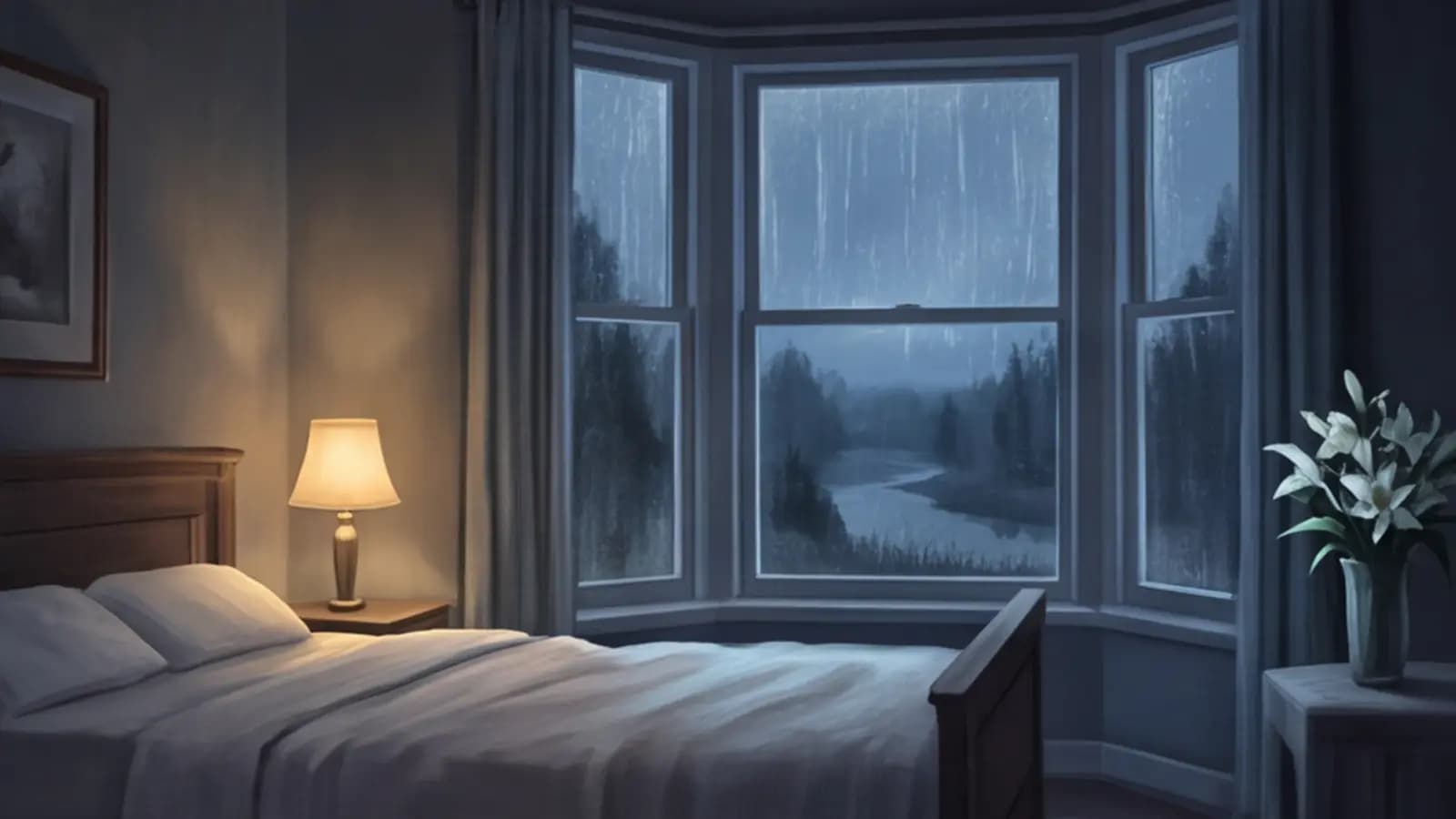
- Ghost stories Agnes Won’t Go QuietlyA Glasgow hospice volunteer who nearly drowned now hears the dead.
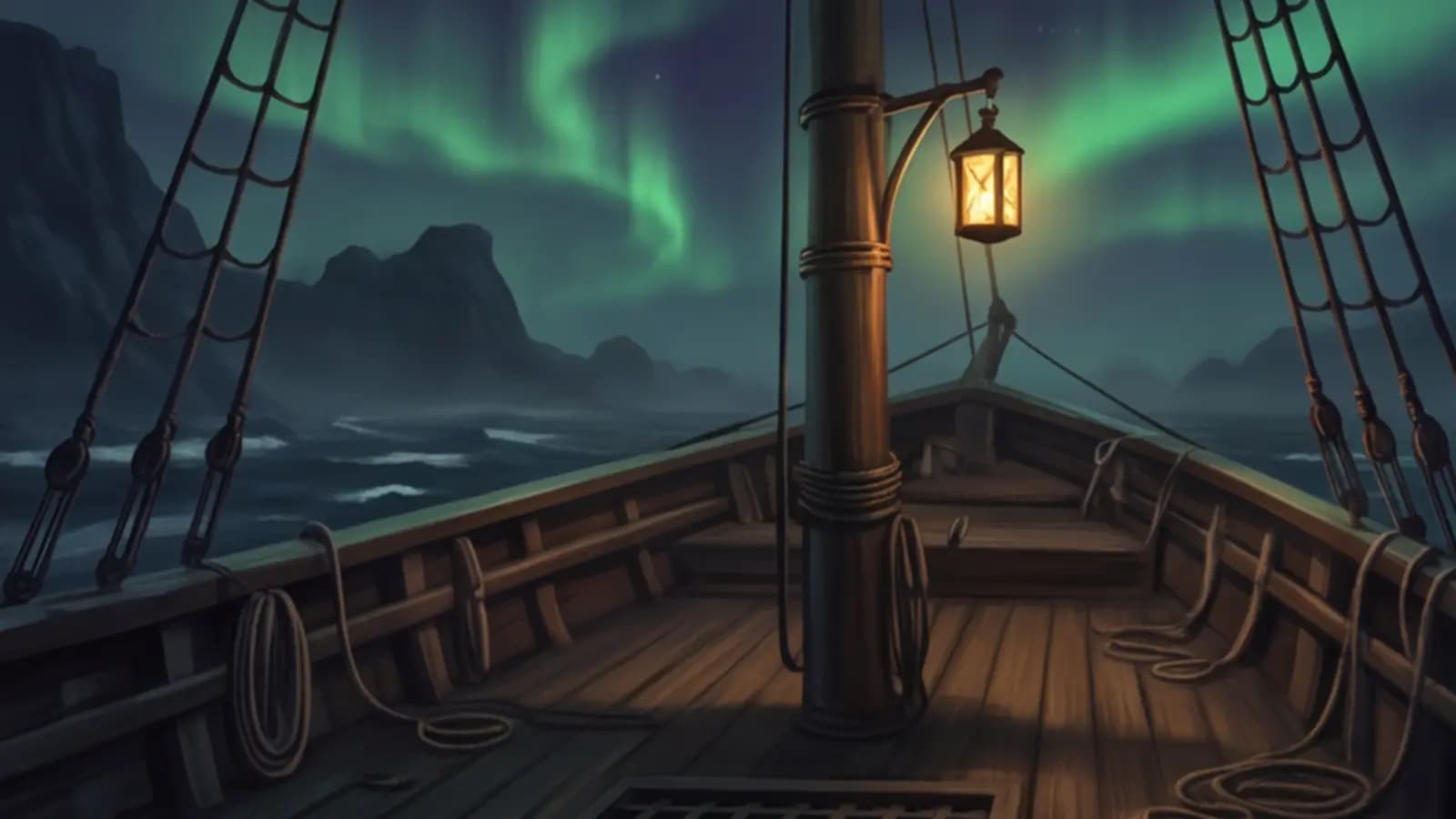
- Pirate fantasy The Seventh VoyageA whaling cutter sails north to cut the heart from a white leviathan.
Old peoples of myth
Elves
In Germanic lore elves were powerful, uncertain neighbours who could heal or harm. Modern fantasy made them tall, long-lived, wise and beautiful, mostly after Tolkien.
Play: Dead Air on Line FourPlay this storyDwarves
The dvergar of Norse myth live in rocks and mountains and are master smiths: they forged Thor’s hammer. The oldest sources do not call them small; that came later. The spelling dwarves was made popular by Tolkien.
Play: The Crossroads DebtPlay this storyGiants
The jötnar of Norse myth are the gods’ rivals and in-laws, living beyond the borders of the world. Despite the usual translation, the old sources do not make them notably large.
Play: Courier for Baba YagaPlay this storyCentaurs
Half human and half horse, from the mountains of Thessaly in Greek myth. Most were wild and unruly, but Chiron was a wise teacher.
Play: Seven Games with YamaPlay this story
Peoples of the dark
Orcs
Their name is an Old English word for a monster. Orcs became an army of the dark in Tolkien and a whole people in later fantasy and games. Newer stories often give them a culture of their own.
Play: Agnes Won’t Go QuietlyPlay this storyGoblins
Small, grotesque and mischievous in European folklore, living underground or in houses. The word comes from Old French, first written down in the 12th century.
Play: The Memory of RomePlay this story
The people in the middle
Humans
In many fantasy worlds humans are the short-lived, numerous, restless people who stand between the old races and the dark. They make up in numbers what they lack in years.
Play: The Seventh VoyagePlay this story
What fantasy races are
A fantasy race is a people of an invented world that is not human but thinks, speaks and builds as humans do. Each has a look, a lifespan and a place in the world’s history.
Most come from older stories. Elves and dwarves come from Germanic and Norse lore, centaurs from Greek myth, orcs from an Old English word. Fantasy took the names and gave each people a country, a language and a grudge.
Race, species or peoples?
The word race carries real-world history. The scholar Helen Young, in a 2016 book on race and popular fantasy, traced how the genre’s founding works borrowed nineteenth-century ideas about race.
Some writers and games have since switched to species or peoples. The old word is still the one most readers search for.
Making a fantasy race feel real
A people feels real when its members disagree. A dwarven clan with one dissenting smith, an orc who wants peace, an elf bored by eternity: each is a story waiting to start.
Names help. The elf name generator and the dwarf name generator give names built on the sounds each people usually has in fantasy.
Another people, played scene by scene
On PlayAIStories a premise is written in one line, and the hero can be of any people the premise names. The game builds the world and the cast and shows them before the first scene, where names, roles and tempers can be changed.
Each scene ends with several choices and a field for a move of one’s own. Risky moves are settled by a die, and how much a character trusts the hero can change the odds.