
Guide
Fantasy creatures: the monsters and beasts of fantasy, by role
Fantasy creatures are the monsters, beasts and companions that fantasy fiction and games set in a hero’s path. This list sorts them by the part they play in a story, names the old tale each grew from, and gives a premise to play for each.
Play a story like this
Ready stories from the library. The first scene opens right away, no account needed.
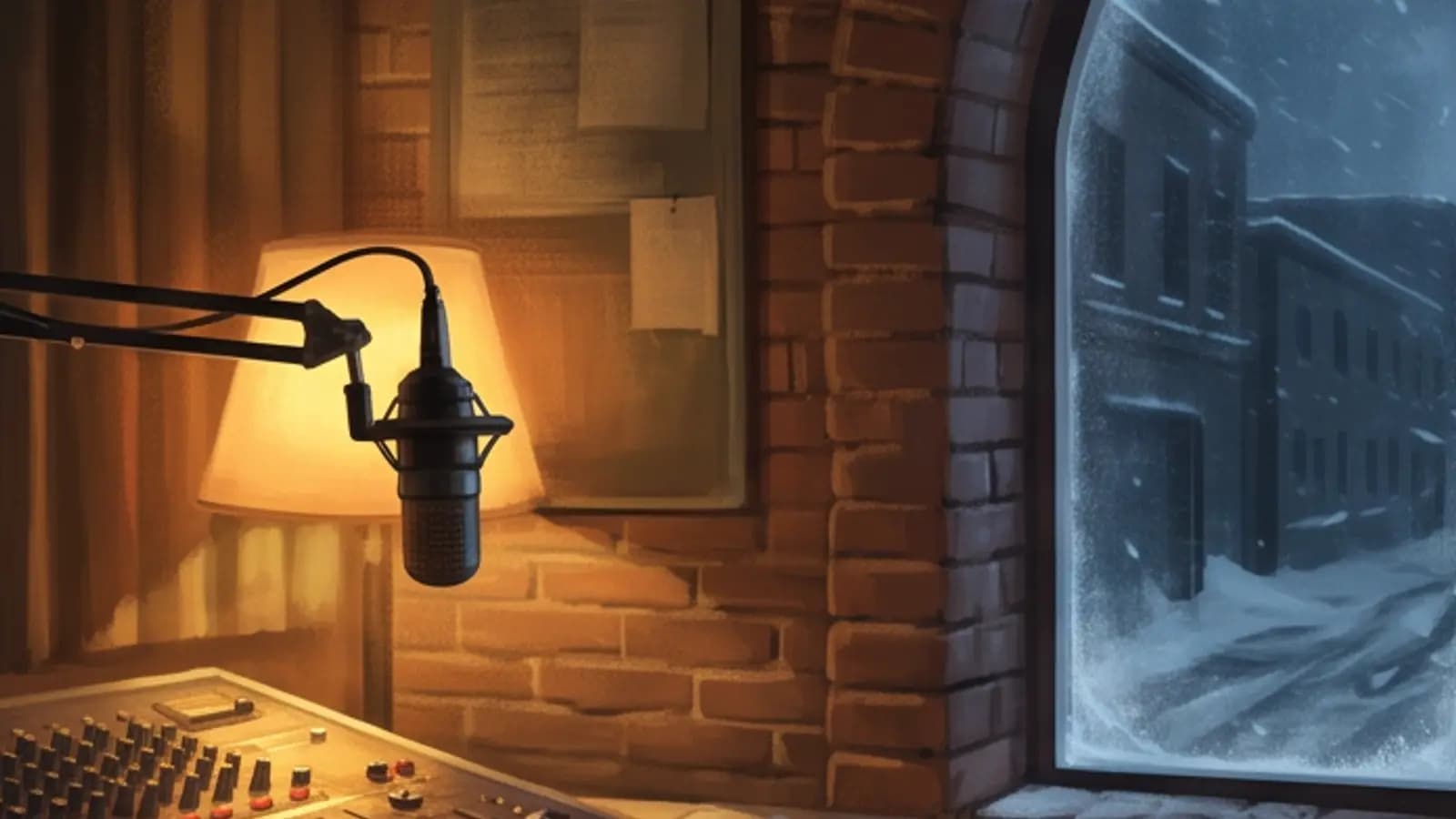
- Ghost stories Dead Air on Line FourA radio host in Winnipeg answers the line that only rings in blizzards.
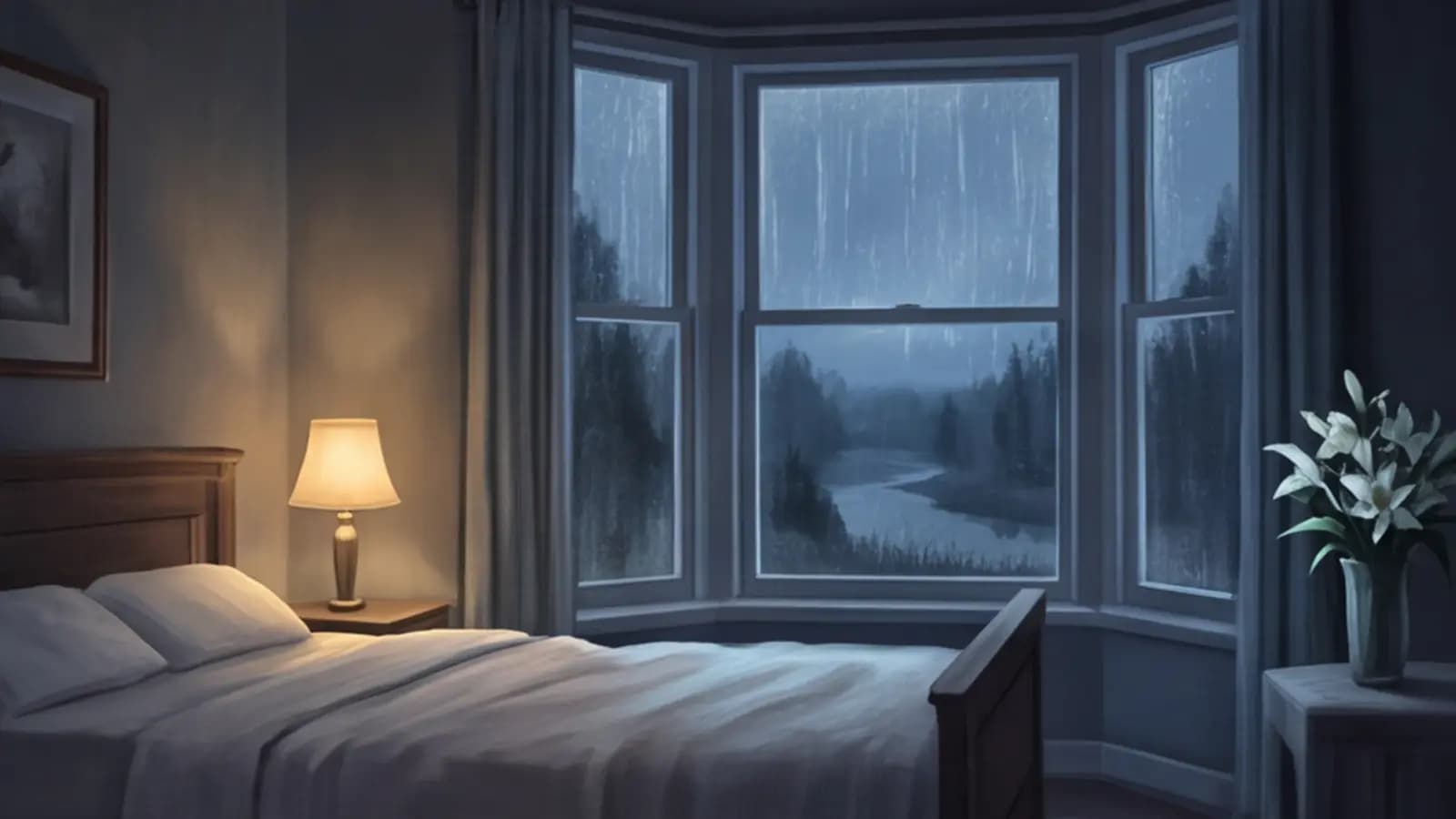
- Ghost stories Agnes Won’t Go QuietlyA Glasgow hospice volunteer who nearly drowned now hears the dead.
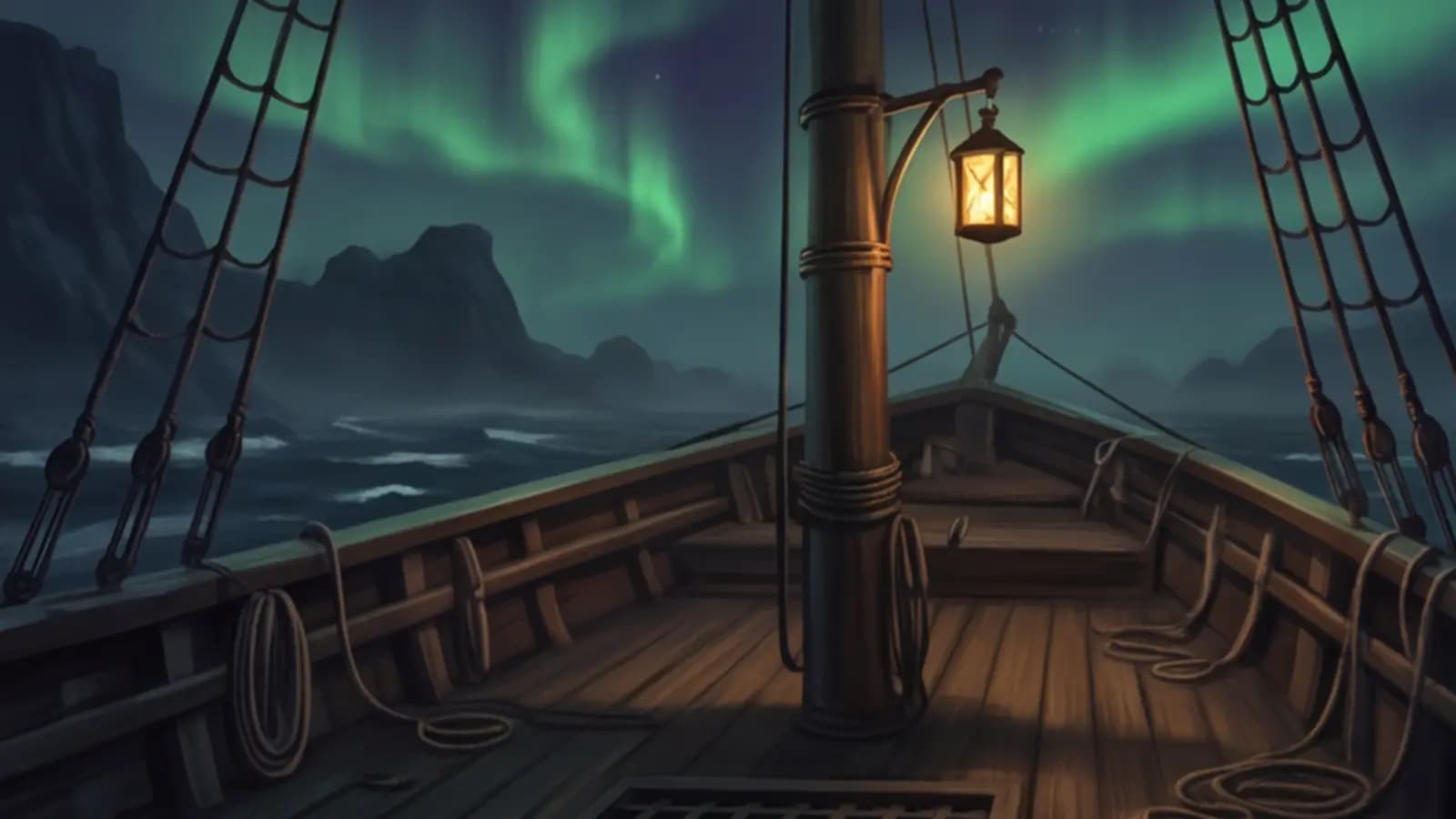
- Pirate fantasy The Seventh VoyageA whaling cutter sails north to cut the heart from a white leviathan.
The restless dead
Draugr
The walking dead of the Icelandic sagas, who live on in their burial mounds and guard the treasure buried with them. They have more than human strength, and the remedy the sagas favour is to cut off its head and burn the body.
Play: The Ville de BrestPlay this storyGhoul
A flesh-eating being of Arabic folklore that haunts graveyards and empty desert. It lures travellers by taking the shape of someone they trust.
Play: Agnes Won’t Go QuietlyPlay this story
Beasts of the wild
Troll
In Norse and Scandinavian lore trolls live in mountains, rocks and caves and are rarely helpful. Some turn to stone in sunlight, and church bells drive them off.
Play: The Seventh VoyagePlay this storyManticore
A man-eater with a human face, a lion’s body and a scorpion’s sting in its tail. A Greek doctor at the Persian court first described it in the fifth century BC. Its name means “man-eater”.
Play: The Memory of RomePlay this storyChimera
A fire-breathing monster of Greek myth from Lycia: a lion in front, a goat’s head rising from its back, a serpent for a tail. Its name now stands for any creature stitched from different animals.
Play: Nine Hundred in the DarkPlay this story
Death at a glance
Basilisk
A small serpent that Pliny the Elder placed in North Africa, so deadly that its breath withered plants and split stones. He named the weasel as its only enemy.
Play: The Seventh VoyagePlay this storyCockatrice
The basilisk’s twin in medieval lore, hatched from an egg laid by a rooster and warmed by a toad or serpent. The two were often treated as one.
Play: The Purple Ink Is WetPlay this story
Companions and mounts
Familiar
In early modern European belief, a spirit that served a witch or a cunning man, usually as a cat, toad, dog, hare or bird. Most of what is known comes from trial records of the 1500s and 1600s.
Play: The FracturePlay this storyPegasus
The winged horse of Greek myth. The hero Bellerophon tamed him with a golden bridle given by Athena and rode him against the Chimera, then fell trying to fly to Olympus.
Play: The Crossroads DebtPlay this story
Fantasy creatures and the myths behind them
Fantasy creatures are borrowed from myth, but fantasy changes what they are for. In myth a creature belongs to a people’s beliefs. In a fantasy novel or game it fills a role: an enemy in numbers, a lone monster, a guide, a mount.
The orc is a clear case. The word appears once in the Old English Beowulf, among monsters descended from Cain. Tolkien took it for his own fiction, and from there it became a staple of fantasy books and games.
The myths themselves, sorted by people and region, are on the page about mythical creatures.
What makes fantasy monsters work
The old monsters that last in fantasy are the ones with a rule. The troll fears the sun, the basilisk dies of the weasel, the draugr must lose its head. A rule gives the hero something to learn and a way to win.
Dragons follow the same law, and there are several kinds with different rules; the guide to types of dragons sorts them.
A creature in a played story
On PlayAIStories one line with a premise is enough to start, and the game builds the world and the cast from it. Each scene ends with several choices and a field for a move of one’s own.
Risky moves, such as creeping past a sleeping troll, are settled by a die. The odds are shown in plain words first, and a failed roll turns the story instead of ending it. A name for a new beast can come from the monster name generator.