
Guide
Enemies to lovers: how the trope works, its stages and its variants
Enemies to lovers is the romance trope in which two people who oppose each other, for real reasons, slowly come to love each other. This guide follows it stage by stage, sorts its variants and names the mistakes that spoil it, with a premise to play for each.
Play a story like this
Ready stories from the library. The first scene opens right away, no account needed.
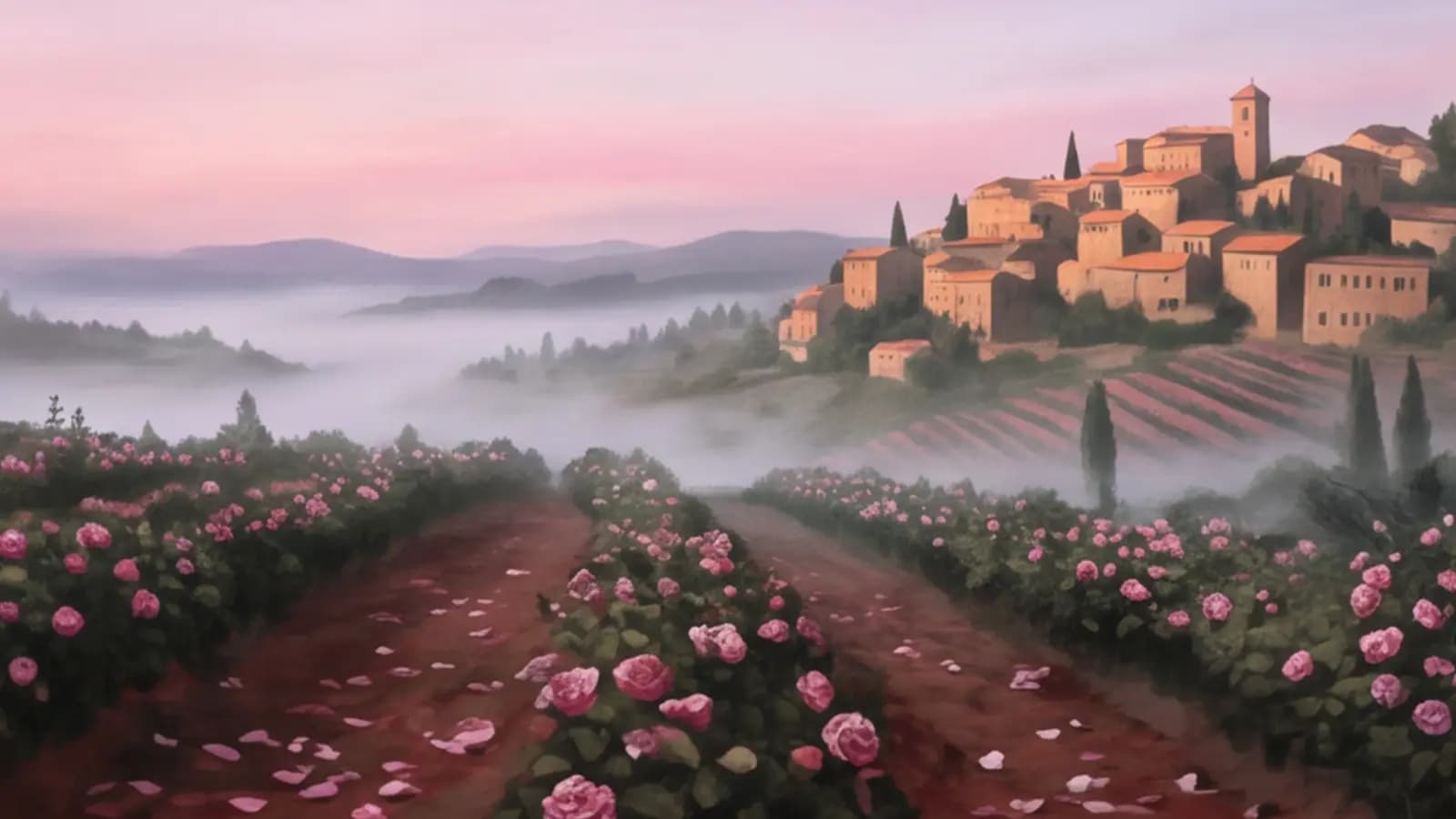
- Enemies to lovers Rose de MaiGrasse, May.
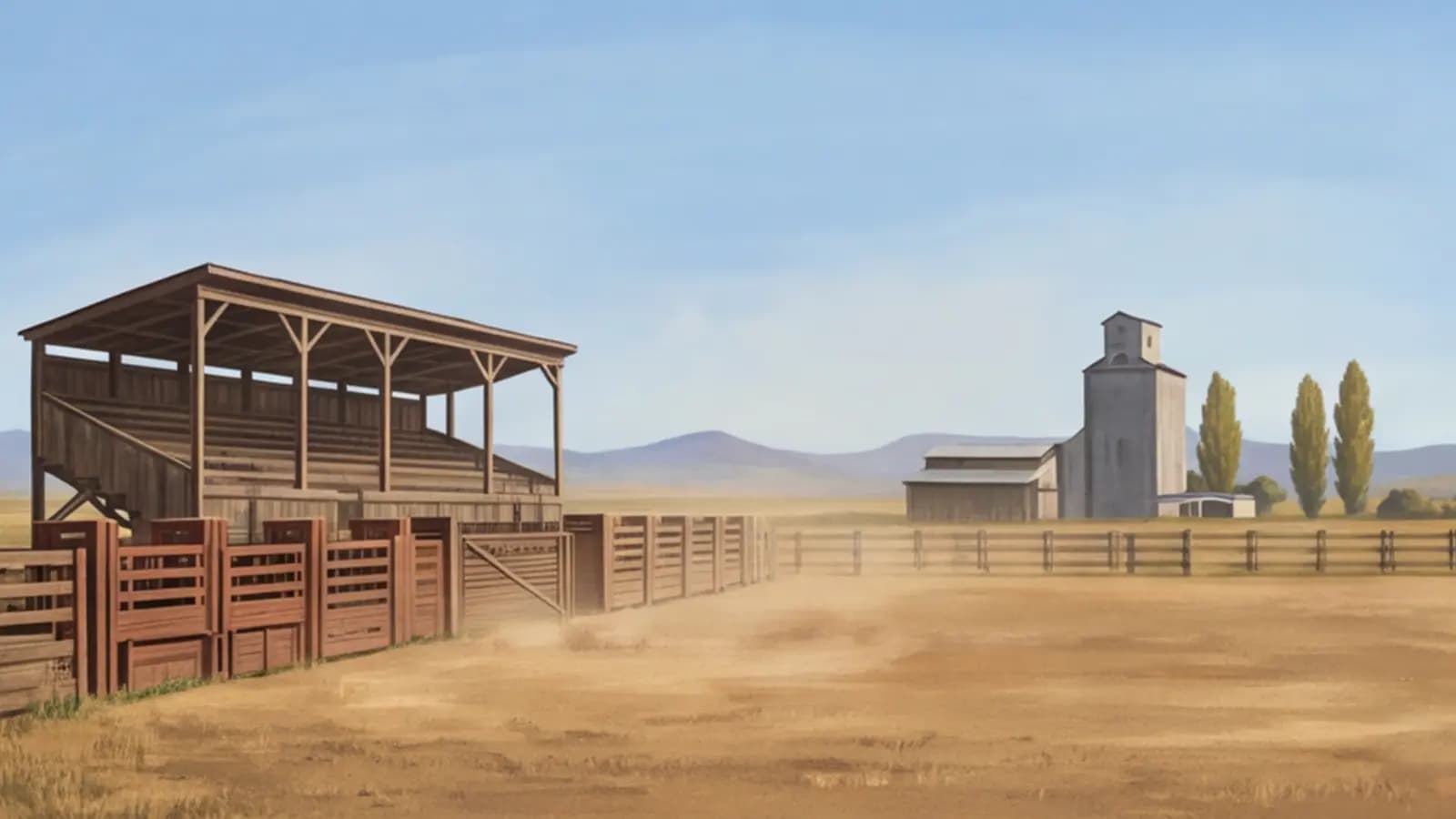
- Enemies to lovers Bad Blood at Medicine ButteA Montana drought, two werewolf ranches feuding since 1924, and one county rodeo the rival heirs must run together.
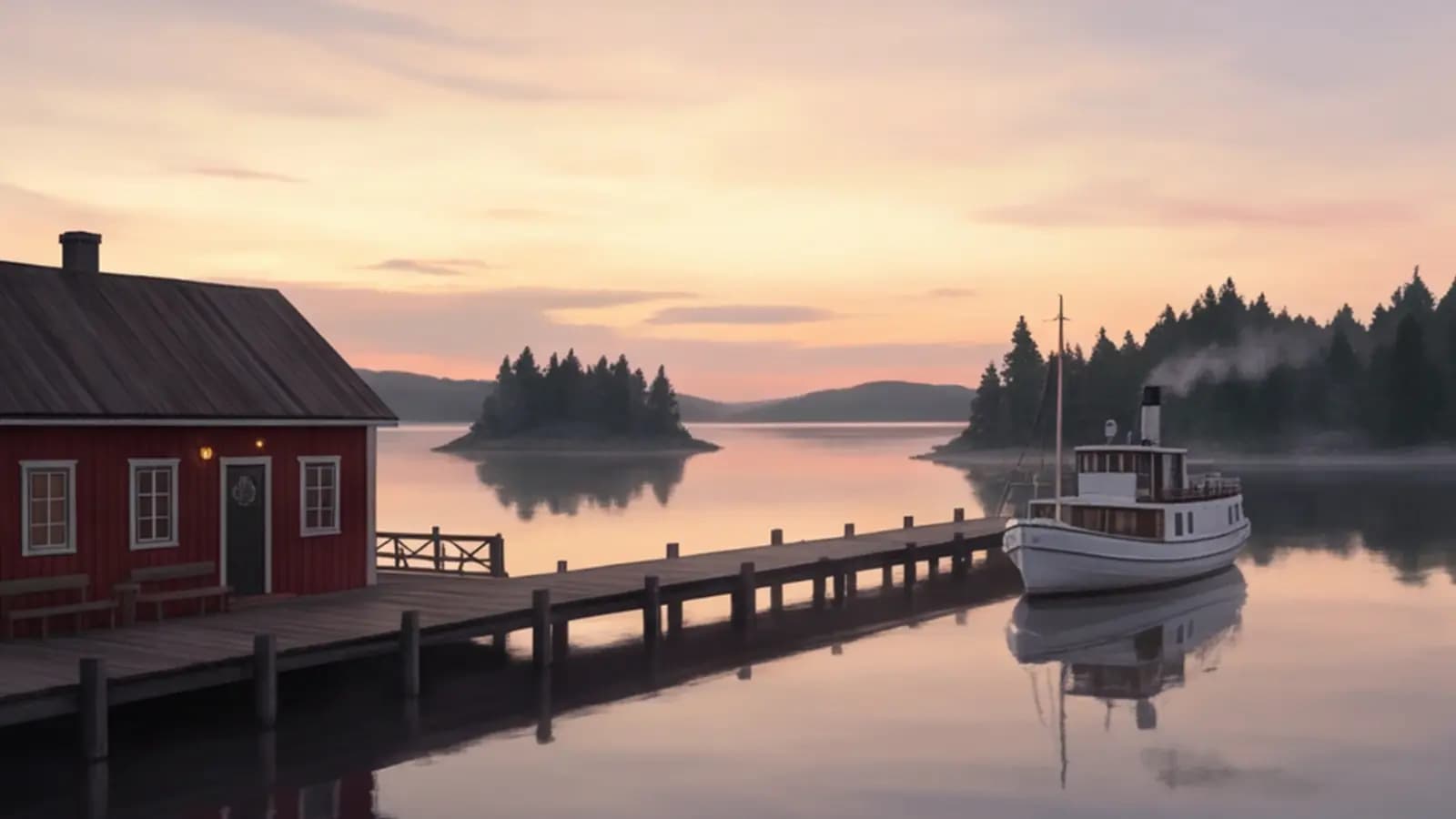
- Summer romance White Nights on SaimaaOne summer at an island café on Lake Saimaa, between a seal researcher who wants the channel closed and a steamboat captain who will fight him to the last plank.
The stages of the trope
The clash
The first meeting goes badly, and for a reason that matters: a duel lost, a family wronged, a contract stolen. The reader has to believe that both have grounds to dislike each other.
Play: Rose de MaiPlay this storyThrown together
Something forces the two to share a road, a task or a roof. Enemies who can avoid each other never change, so the story takes the choice away.
Play: Bad Blood at Medicine ButtePlay this storyThe first crack
One of them sees the other do something unexpected: a kindness to a stranger, a skill done well, a moment of fear. Respect arrives before liking, and it is unwelcome.
Play: White Nights on SaimaaPlay this storyThe truce
They agree to stop fighting, for now and for practical reasons. The truce gives them time to talk, and talk is where the old picture of the other starts to fail.
Play: Rose de MaiPlay this storyThe test of the old reason
The cause of the enmity comes back into the story. It turns out to be a misunderstanding, or it is real and has to be faced, but it can no longer be ignored.
Play: The FracturePlay this storyThe choice
At the end one of them must choose the other over the side they came from. The romance is settled by what that choice costs.
Play: The Lake Keeps What It LovesPlay this story
Variants of enemies to lovers
Rivals to lovers
The mild form: two people want the same prize, the same post or the same commission. There is less to forgive, so the story leans on wit and competition.
Play: Howl at the Blue LinePlay this storySworn enemies
The enmity is inherited: two houses, two clans, two crafts with a feud older than either lover. The two may like each other at once, and the world says no.
Play: The Hoarfrost LyceumPlay this storyOpposite sides of a war
The strongest form. Each has lost people to the other’s side, and loving the enemy feels like a betrayal of the dead.
Play: The Sutler of KitzbrunnPlay this storyThe forced truce
A greater danger makes enemies allies: a plague, a dragon, a third army. The alliance ends when the danger does, unless something else has started.
Play: Nine Apple TreesPlay this storyThe hunter and the hunted
One pursues, the other flees, and the chase makes each an expert on the other. By the time they meet face to face, they know each other better than anyone.
Play: The Ninth SeatPlay this storyOld enemies, years later
Two who fought as young people meet again as adults. Both have changed, and the story asks whether the old quarrel still belongs to them.
Play: White Nights on SaimaaPlay this story
What makes enemies to lovers work
Enemies to lovers works because the distance is the story. The further apart two people start, the more each step towards the other means.
It needs a real reason for the enmity. A rival who stole a commission is an enemy; a stranger who was simply rude once is not.
It also needs equals. Both sides are sharp, both are partly wrong, and the arguments between them are a kind of contest. Readers enjoy the sparring as much as the reconciliation.
Old examples of the trope
The pattern is much older than the name. In Shakespeare’s Much Ado About Nothing Beatrice and Benedick never meet without a skirmish of wit; another character calls it a “merry war” between them.
In Jane Austen’s Pride and Prejudice, published in 1813, the two leads begin with an insult. At a ball Mr Darcy calls Elizabeth Bennet “tolerable”, and she overhears it.
Mistakes that spoil the trope
The most common is enmity without a reason. If the two dislike each other only because the plot says so, the turn to love has nothing to overcome.
The second is a switch that comes too fast. One kind word should not undo three chapters of hatred; the change works in small, visible steps.
The third is cruelty treated as romance. Real harm, threats or humiliation do not become charming because the two end up together. The enmity belongs to opposing sides, not to one person hurting the other.
Enemies to lovers in a played story
On PlayAIStories romance is one of the genres. From a premise of one line AI builds the world, the characters and the first scene, and the player holds the hero.
The story keeps notes on what each character knows and how they feel about the hero. An enemy remembers an insult and a kindness alike, so trust has to be earned scene by scene. Romance is welcome, but explicit scenes are not written.