
Guide
Cosmic horror: the fear of an indifferent universe
Cosmic horror is the horror of the unknowable: vast, ancient powers beside which humanity hardly matters. Also called Lovecraftian horror, it frightens with what cannot be understood rather than with gore. This guide covers its marks and its founding works, each with a premise to play.
Play a story like this
Ready stories from the library. The first scene opens right away, no account needed.
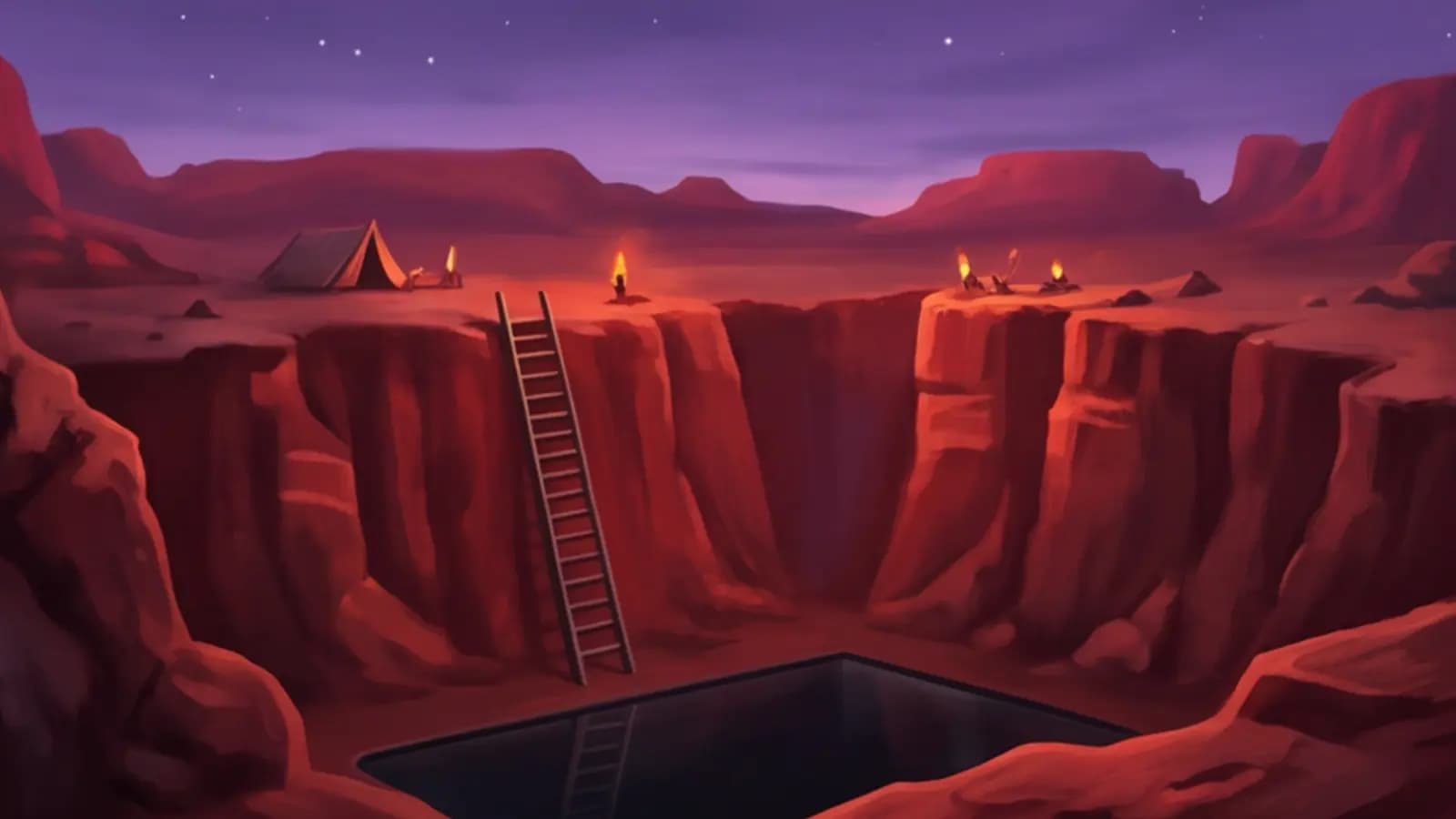
- Cosmic horror The Glass Under Khar UsThe Gobi, 1928.
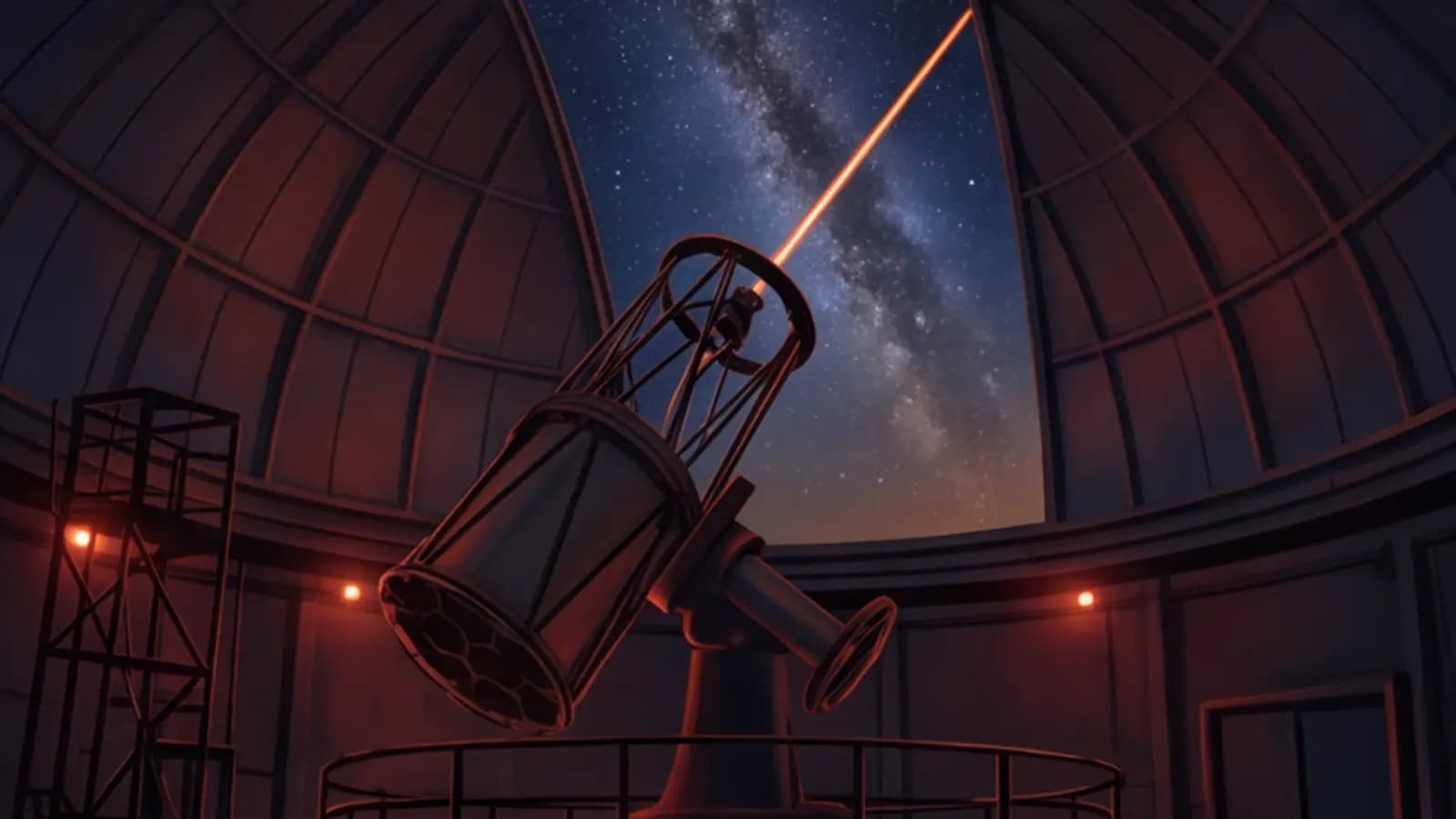
- Cosmic horror The Star That MovedHigh in the Atacama, a visiting astronomer watches a faint star go dark for eleven seconds and come back somewhere it cannot be.
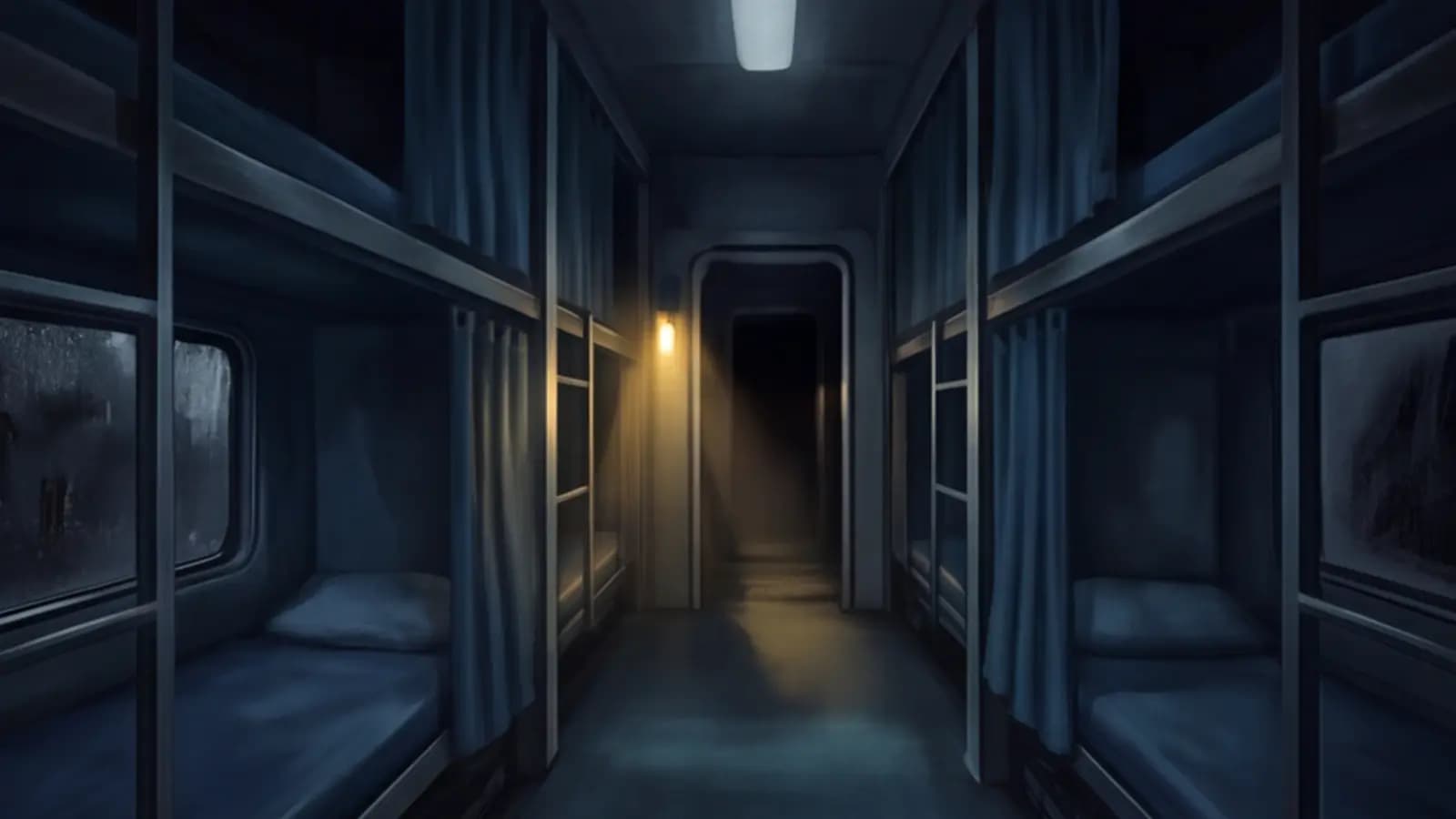
- Survival horror Nine Hundred in the DarkMonsoon landslides seal an overnight express inside a mountain tunnel.
Marks of cosmic horror
An indifferent universe
The universe is not cruel, it simply does not care. Human morality means nothing to the powers in it, and that is the source of the dread.
Play: The Glass Under Khar UsPlay this storyForbidden knowledge
Learning more makes things worse. Old books, strange letters and half-burned notes lead the hero toward a truth that would have been safer left alone.
Play: The Star That MovedPlay this storyMadness
Minds break against what they discover. Witnesses end in asylums, and narrators often doubt their own sanity as they write.
Play: Nine Hundred in the DarkPlay this storyBeings older than humanity
Something was here before people and will be here after. It sleeps, waits or simply passes, and cults gather around it.
Play: The Glass Under Khar UsPlay this storyThe danger of discovery
Science is no shield. Expeditions, experiments and new instruments are what open the door.
Play: The Ville de BrestPlay this storyThe helpless hero
The hero rarely wins. Surviving, warning someone or simply understanding is the most anyone can hope for.
Play: Nine Apple TreesPlay this story
Forerunners and founding works
Poe’s “MS. Found in a Bottle”
An 1833 tale by Edgar Allan Poe with early elements of cosmic horror. A castaway on a vast black ship, unseen by its ancient crew, drifts south toward a whirlpool.
Play: Promised to the SaltPlay this storyThe King in Yellow
Robert W. Chambers’s 1895 collection, built around a forbidden play that drives its readers mad. Chambers took the name Carcosa from Ambrose Bierce.
Play: The Star That MovedPlay this storyThe Willows
Algernon Blackwood’s 1907 tale of two friends on a canoe trip down the Danube, camped on an island among willows and uncanny forces. Lovecraft thought it the finest supernatural tale in English.
Play: Sugar Moon over AsakusaPlay this storyThe Call of Cthulhu
Lovecraft’s story, written in 1926 and published in Weird Tales in 1928. The narrator pieces together notes, a police report, a newspaper clipping and a sailor’s account. They point to a nightmare city on an uncharted island and the being a cult awaits there.
Play: The Handover LedgerPlay this storyThe Cthulhu Mythos
The shared world of Lovecraft’s later stories, which August Derleth and other writers went on to extend.
Play: The FracturePlay this story
What cosmic horror is
Cosmic horror is a subgenre of horror, fantasy and weird fiction that grew up in the United States. It is also called Lovecraftian or eldritch horror, and it puts the unknowable and incomprehensible above gore and shock.
Lovecraft’s essay “Supernatural Horror in Literature” was first published in 1927. Its opening line sums up the genre: “The oldest and strongest emotion of mankind is fear, and the oldest and strongest kind of fear is fear of the unknown.”
Who H. P. Lovecraft was
Howard Phillips Lovecraft was born in Providence, Rhode Island, in 1890 and died there in 1937. He was almost unknown in his lifetime and published nearly all his fiction in pulp magazines.
He also held racist views for much of his adult life, and they show in some of his writing. The wider family of the genre is in the guide to types of horror.
The unknown played scene by scene
On PlayAIStories one line with a premise is enough to start. The game builds the world and the cast and shows them before the first scene, where names, roles and tempers can be changed.
Each scene ends with several choices and a field for a move of one’s own. Risky moves, such as reading the last page of the book, are settled by a die, and a failed roll turns the story instead of ending it.
Dark themes are allowed, and such stories carry an 18+ mark.