
Guide
Anime tropes: the visual shorthand, scenes and character types fans know by heart
Anime tropes are the shortcuts anime and manga reuse until viewers read them at a glance: a sweat drop for nerves, a girl running late with toast, a hand slammed on a wall. This guide sorts the best known into signs, scenes and character types, each with a premise to play.
Play a story like this
Ready stories from the library. The first scene opens right away, no account needed.
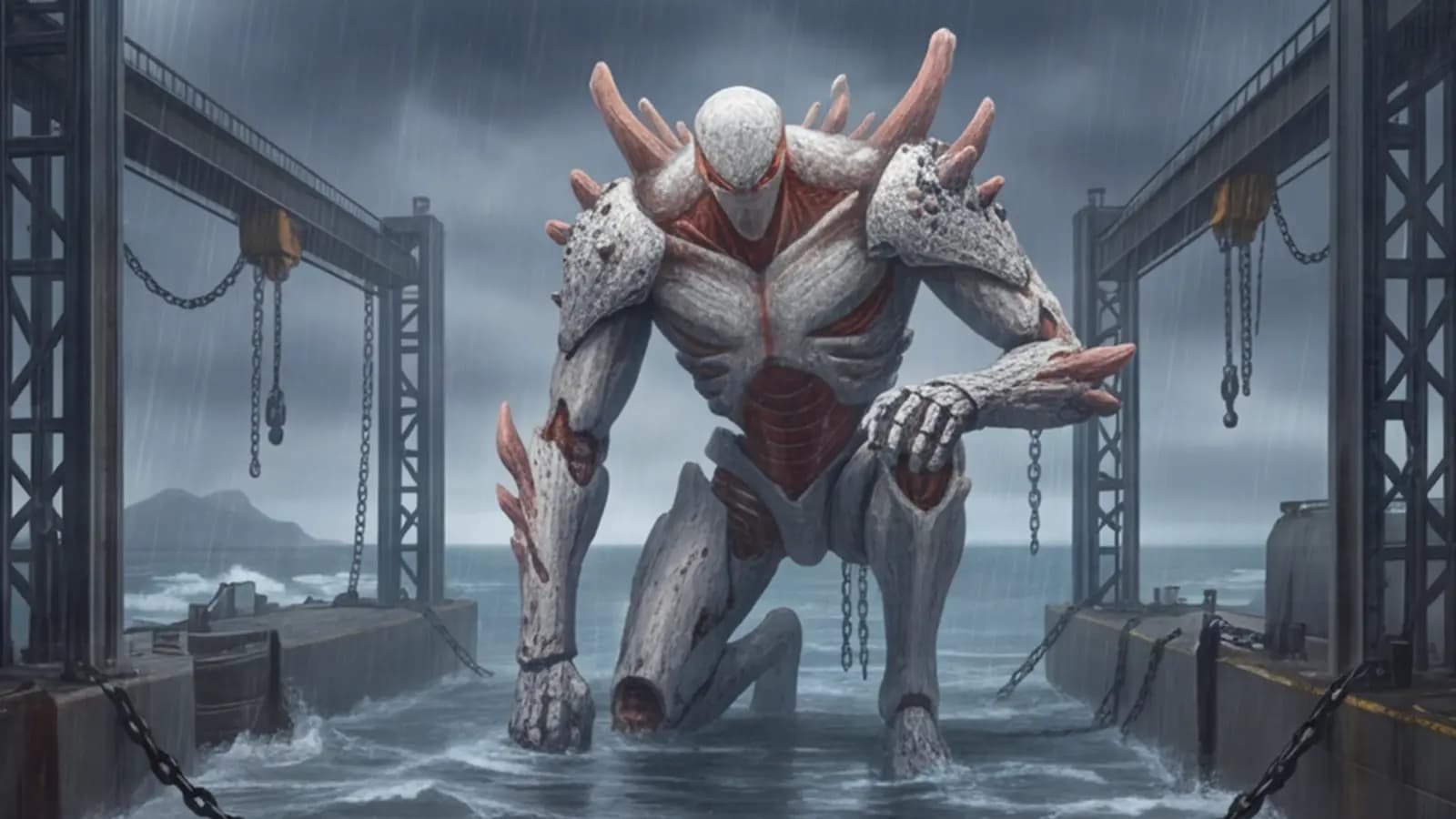
- Anime Coral Frame AcademyA scholarship cadet shatters the sync crystal on day one, and the atoll’s oldest living war machine wakes up and asks for the cadet by name.
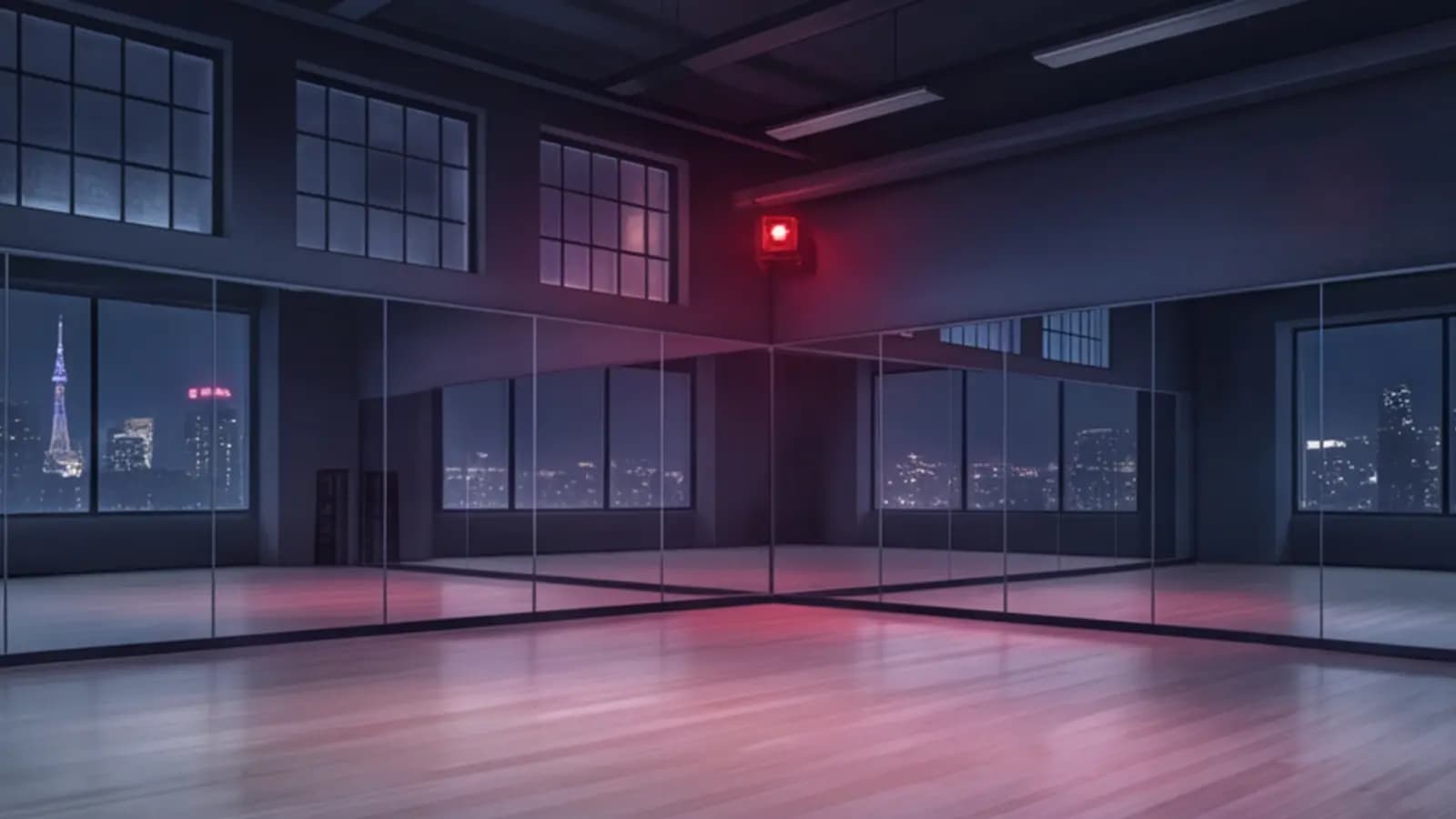
- Anime NINESTAR: Trainee NinetyA last-minute trainee with no agency joins Seoul’s biggest idol survival show and finds the quitter’s phone under the bunk.
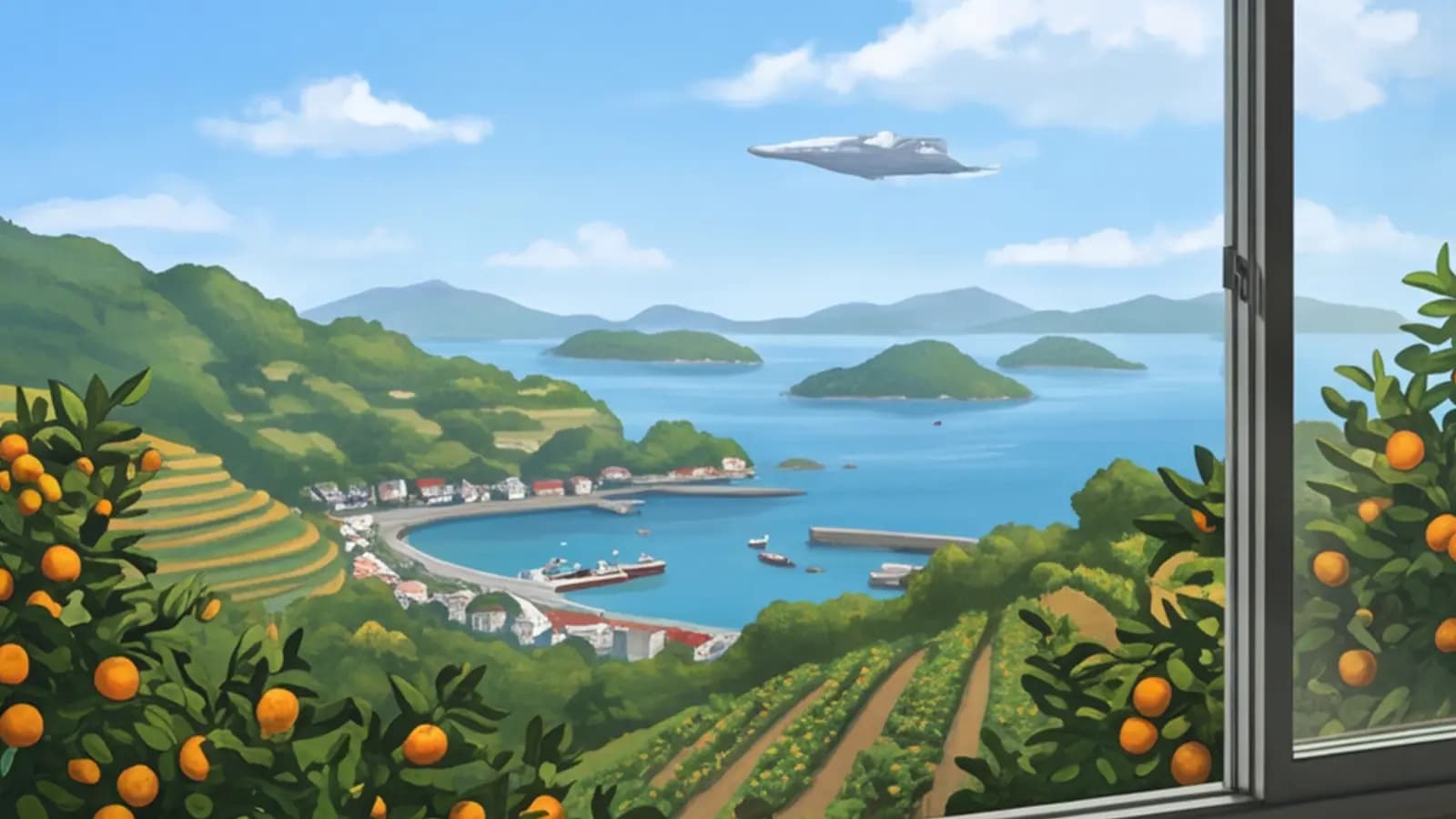
- School life stories The Alien in the Mikan OrchardA student on a tiny citrus island finds an alien girl and her crashed seed ship in the family orchard.
Signs on the face
Big eyes
Oversized eyes are the most familiar convention of anime character design. The style is traced back to Osamu Tezuka, a central figure in the history of manga and anime.
Play: Coral Frame AcademyPlay this storyThe sweat drop and the anger mark
A large drop of sweat beside a character’s head means nervousness. Symbolic red veins mean anger. Viewers read both instantly, so a scene needs no line to explain the mood.
Play: NINESTAR: Trainee NinetyPlay this storyThe chibi moment
For a beat of comedy a character turns into a small, simplified, deformed figure. It punctuates confusion or embarrassment, then the drawing snaps back to normal.
Play: The FracturePlay this story
Scenes everyone recognises
Late for school with toast
A schoolgirl runs out with toast in her mouth and collides with a boy at a corner. Later she finds him in the seat next to hers. Researchers found no older shōjo manga with the whole scene; its earliest full version, from 1990, is a parody. One scholar credits the final episode of Neon Genesis Evangelion with fixing it in the public mind.
Play: Kedrograd-7Play this storyKabedon
Kabe is Japanese for wall and don is the sound of a hand hitting it. In shōjo manga and anime, one character corners another against a wall for a confession. The word first appeared in 2008, and the manga L DK made it famous.
Play: The Alien in the Mikan OrchardPlay this storyThe transformation sequence
The magical girl genre made it a ritual: the heroine turns into a more grown-up version of herself with special powers. Sally the Witch of 1966 is called the first magical girl anime. Sailor Moon of 1992 put a whole team of them at the centre.
Play: Pastel Comets at Twenty-SevenPlay this story
Character types
Bishōnen
The “beautiful youth”: a young man of androgynous beauty. The word is traced to a Tang dynasty poem by Du Fu, and such characters are common in shōjo manga.
Play: The Sixty-Hour VaultPlay this storyMoe
Moe is the strong affection fans feel for a character, and by extension the traits that cause it, from cat ears to a quiet temper. The word spread on Japanese bulletin boards around 1993 and 1994.
Play: NINESTAR: Trainee NinetyPlay this storyThe dere types
Fans sort characters by how they show love: the tsundere hides it behind barbs, the dandere behind silence, the kuudere behind calm. Each label is a fan term, not an official one.
Play: Promised to the SaltPlay this story
What anime tropes are
A trope is a pattern a story reuses because the audience already understands it. Anime tropes work like a shared vocabulary between creators and fans: one sweat drop replaces a line of dialogue.
Many began in manga and moved to anime with it. Some are visual signs, some are whole scenes, and some are anime archetypes: kinds of character fans can name in one word.
Character tropes and their labels
The character labels are the part of the vocabulary fans use most. Several have their own guides: the tsundere, the dandere and the full set of types of dere.
Genres bring their own: the underdog hero of shōnen, or the hero carried off to another world in isekai anime.
A trope as a starting point
On PlayAIStories one line with a premise is enough to start, and a trope makes a quick one. The game builds the world and the cast and shows them before the first scene, where names, roles and tempers can be changed.
Each scene ends with several choices and a field for a move of one’s own. Characters remember what was said to them, so a cold rival can warm up, or not, depending on what the hero does.