
Guide
Types of vampires: from village folklore to the gothic novel
Types of vampires differ far more than the caped count suggests. Folklore has a Greek corpse that knocks on doors, a Chinese one that feeds on life force and a Philippine creature that leaves its legs behind. This guide sorts the vampires of folklore and fiction by region and gives each a premise to play.
Play a story like this
Ready stories from the library. The first scene opens right away, no account needed.
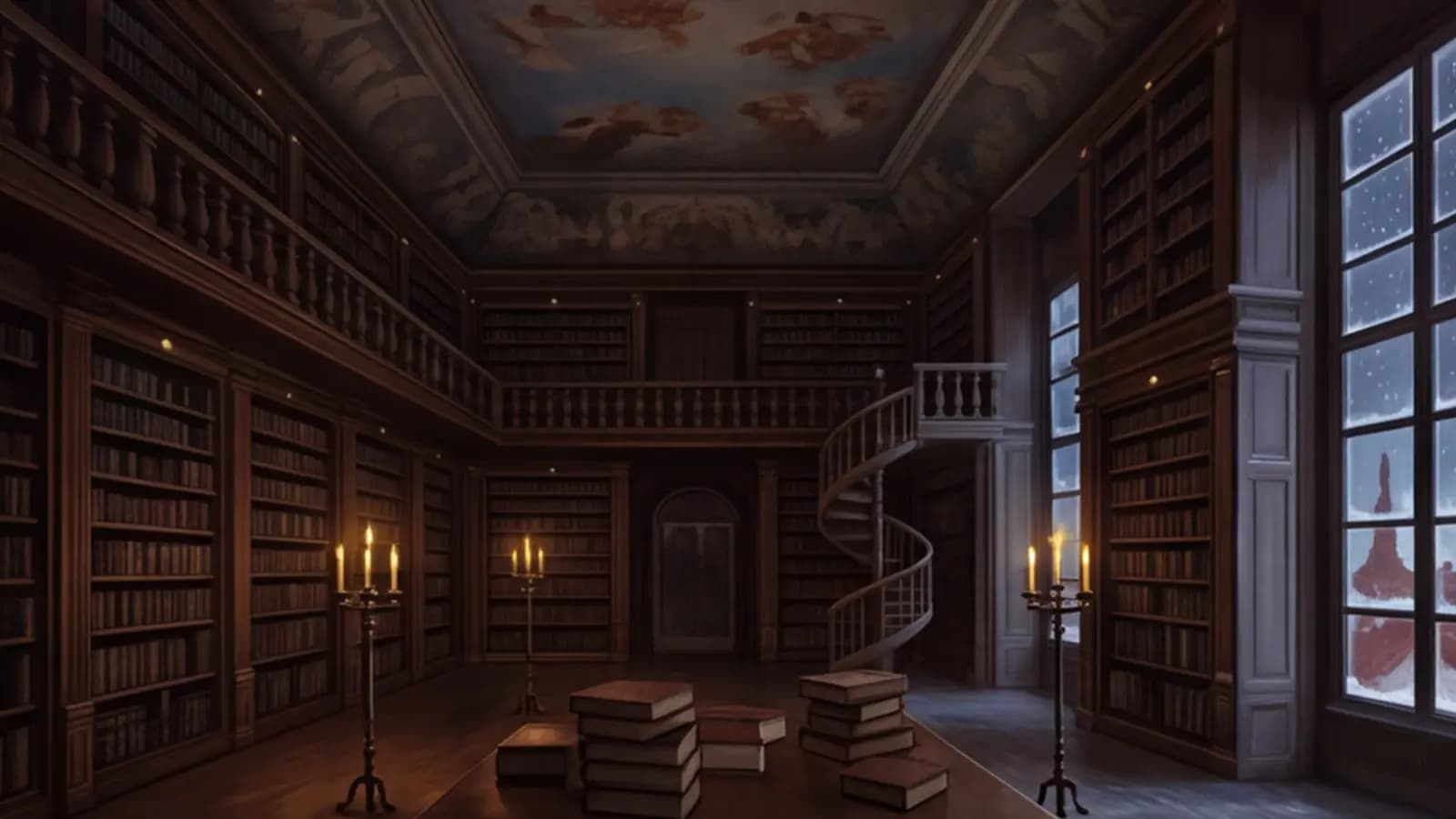
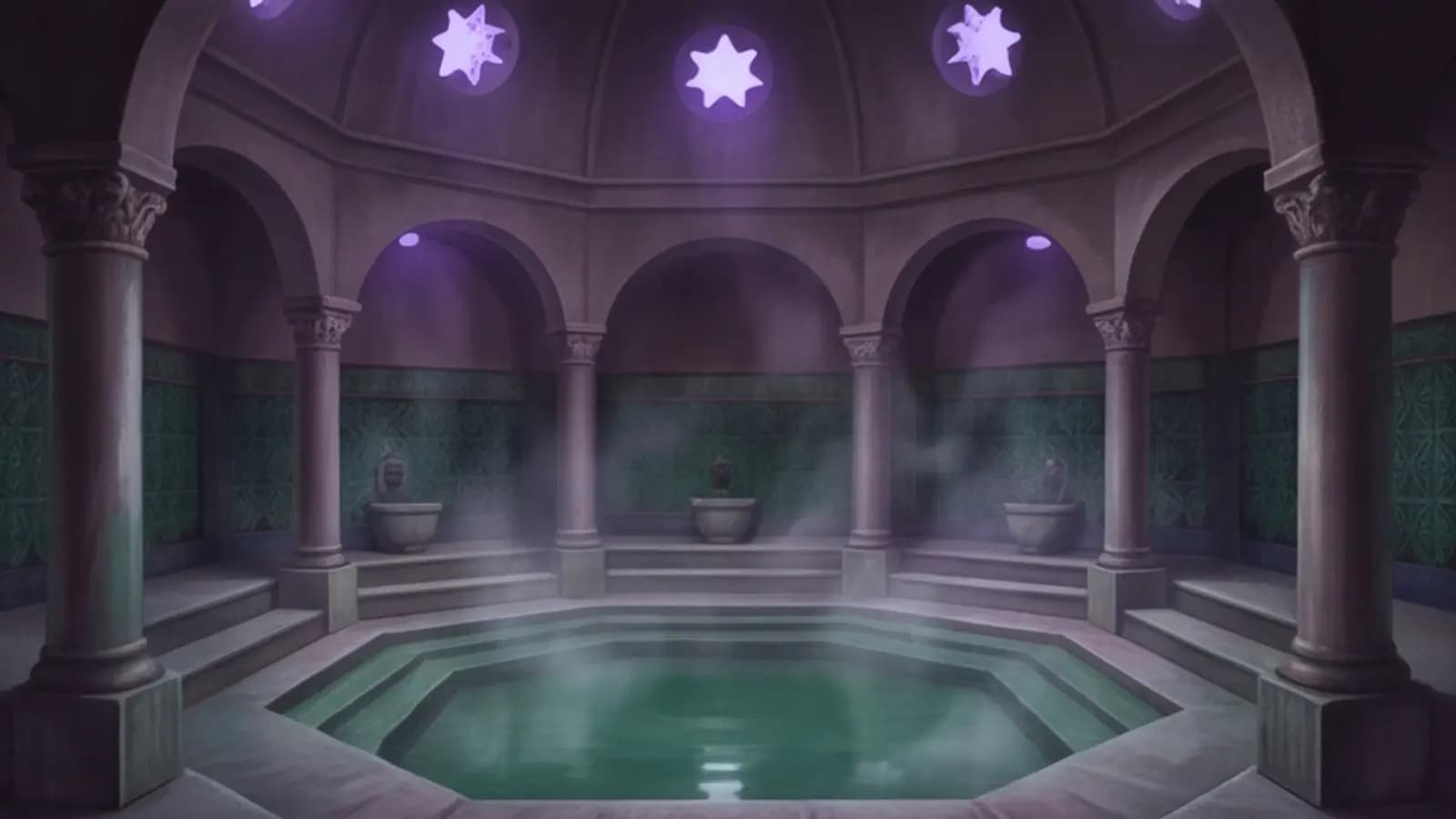
Vampires of European folklore
The Slavic vampire
The folk vampire of the Balkans and Eastern Europe was no pale aristocrat: witnesses described a bloated corpse with a ruddy or dark face. A stake was the usual cure, above all among South Slavs.
Play: The Red Book of Malá StranaPlay this storyStrigoi
Troubled spirits of Romanian folklore risen from the grave. A living strigoi is a sorcerer; a dead one, the most dangerous, can take animal shape, turn invisible and torment its own family.
Play: The FracturePlay this storyVrykolakas
The Greek undead, made by a sinful life, excommunication or burial in unhallowed ground. It knocks on doors at night and calls the people inside by name, and whoever answers dies within days. It eats flesh rather than drinking blood.
Play: The FracturePlay this story
Vampires of Asia
Jiangshi
The stiff corpse of Chinese legend, which in older lore feeds on the qi, the life force, of the living rather than on blood. Its famous hop comes from tales of corpses carried home on bamboo poles in western Hunan.
Play: Two Deeds to Bonanza CreekPlay this storyManananggal
A creature of Philippine folklore, best known in the Visayas. At night it splits its upper body from its legs and flies on bat-like wings. Salt, garlic or ash on the standing half keeps it from rejoining before sunrise.
Play: Exit InterviewPlay this storyPenanggalan
In Malay folklore, a living woman who can detach her head and fly with her entrails trailing. Thorny pandan leaves at the windows are said to catch them.
Play: The FracturePlay this storyVetala
A spirit of Hindu tradition that haunts cremation grounds and moves into corpses. In the old story cycle, a vetala hanging from a tree tells King Vikramaditya a tale and a riddle. Each time the king answers, it flies back to the tree.
Play: The Red Book of Malá StranaPlay this story
Vampires of the gothic novel
Lord Ruthven
The aristocrat of John Polidori’s “The Vampyre” (1819), born from the ghost-story contest at Villa Diodati in 1816 and first sold under Lord Byron’s name. He is often called the model for the modern literary vampire.
Play: The Truce of the WatersPlay this storyCarmilla
Sheridan Le Fanu’s novella, serialised in 1871 and 1872, set in Styria and told by Laura, a young woman visited by a mysterious guest. Its names are anagrams of Mircalla, and it came 25 years before Dracula.
Play: The FracturePlay this storyDracula
Bram Stoker’s 1897 novel, told in letters, diaries and newspaper cuttings, follows a count from Transylvania to England and the band that hunts him.
Play: The Red Book of Malá StranaPlay this story
Where the types of vampires come from
The English word came through South Slavic languages, Bulgarian or Serbian, and appears in English news reports of the 1730s. The cases behind it were real alarms: Petar Blagojević in Serbia in 1725, then an Austrian report on the village of Arnold Paole, dated Belgrade 1732.
That report travelled across Western Europe and spread the belief among educated readers. The gaunt, pale vampire came later, with the fiction of the early 19th century.
How folklore kept vampires away
Garlic, crucifixes, rosaries and holy water appear in many regions, along with hawthorn and wild rose. Mirrors were sometimes fixed facing outward on a door. A stake was the most common way to finish one off.
Each region also had its own defence, from salt on the manananggal’s legs to the paper charm on a jiangshi’s forehead in popular tales. Names for a vampire of one’s own come from the vampire name generator.
A vampire story played scene by scene
On PlayAIStories one line with a premise is enough to start. The game builds the world and the cast and shows them before the first scene, where names, roles and tempers can be changed.
Each scene ends with several choices and a field for a move of one’s own. Risky moves, such as opening a coffin at dusk, are settled by a die, and a failed roll turns the story instead of ending it.
Dark themes are allowed, and such stories carry an 18+ mark.