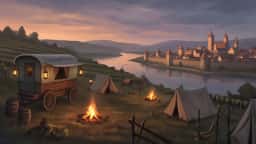
First scene
Three Thousand Coats
Major Ambrose
Well? The steamer sails in five days. Your pencil, I think, is warmer than my ink.
What will the hero do?
The scene goes on from the choice made.
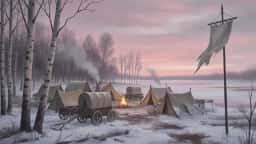
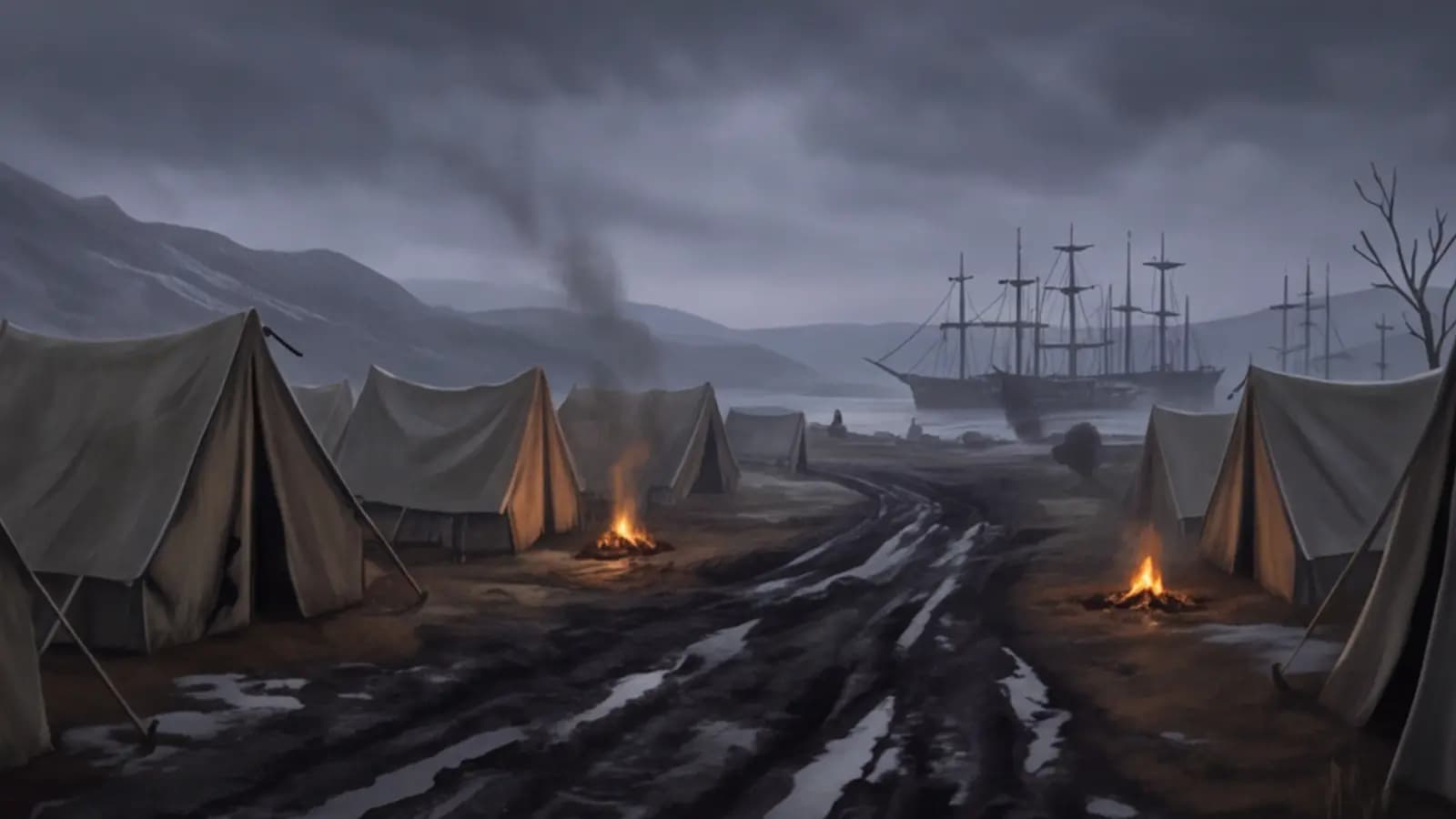
The British army besieging Sevastopol has been on the plateau since September. Winter has come in like a second enemy. Men sleep in torn summer tents, their boots rot off their feet, and cholera fills the hospital ships. Six miles away in Balaclava harbour, ships packed with greatcoats, boots and fuel lie unloaded for want of the right signature.
The hero is the special correspondent of a London daily, armed with a pencil, a frozen inkwell and the trust of nobody. The generals call correspondents spies. In a quartermaster’s ledger the hero finds a requisition for three thousand greatcoats: signed, approved and never delivered.
Major Ambrose, who owns the ledger, catches the hero copying it. He does not call the guard. He pours brandy and asks, very quietly, what will be written.
The mail steamer sails in five days. The dispatch in that bag can bring down a government or ruin an innocent man. Choices change the plot: whom to quote, what to hold back, which signature to follow down the road of mud. Interviews, bluffs and journeys to the harbour come down to a roll of the dice, and a bad roll can cost a source or a story.
It is a novel of frozen mud and candle tallow, told with Victorian irony and a cutting edge, about men dying of paperwork.
First scene
Major Ambrose
Well? The steamer sails in five days. Your pencil, I think, is warmer than my ink.
What will the hero do?
The scene goes on from the choice made.
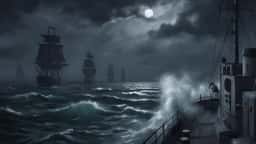
War
England, 1941.

War
North Atlantic, 1941.

War
An ice-moon garrison will fire its mass driver at forty thousand people if headquarters stays silent for ninety hours.

War
A mercenary company sworn on magic salt opens its pay coffer and finds river stones.

War
November 1812.

War
Winter 1942.
18+War
Flanders, 1917.

War
Solomon Sea, 1942.

War
Virginia, 1862.

War
Warring States Japan.

War
Franconia, 1632.

War
Lorraine, 1944.