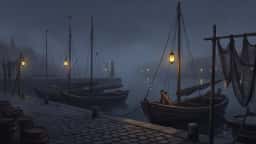
First scene
The Drop
Narrator
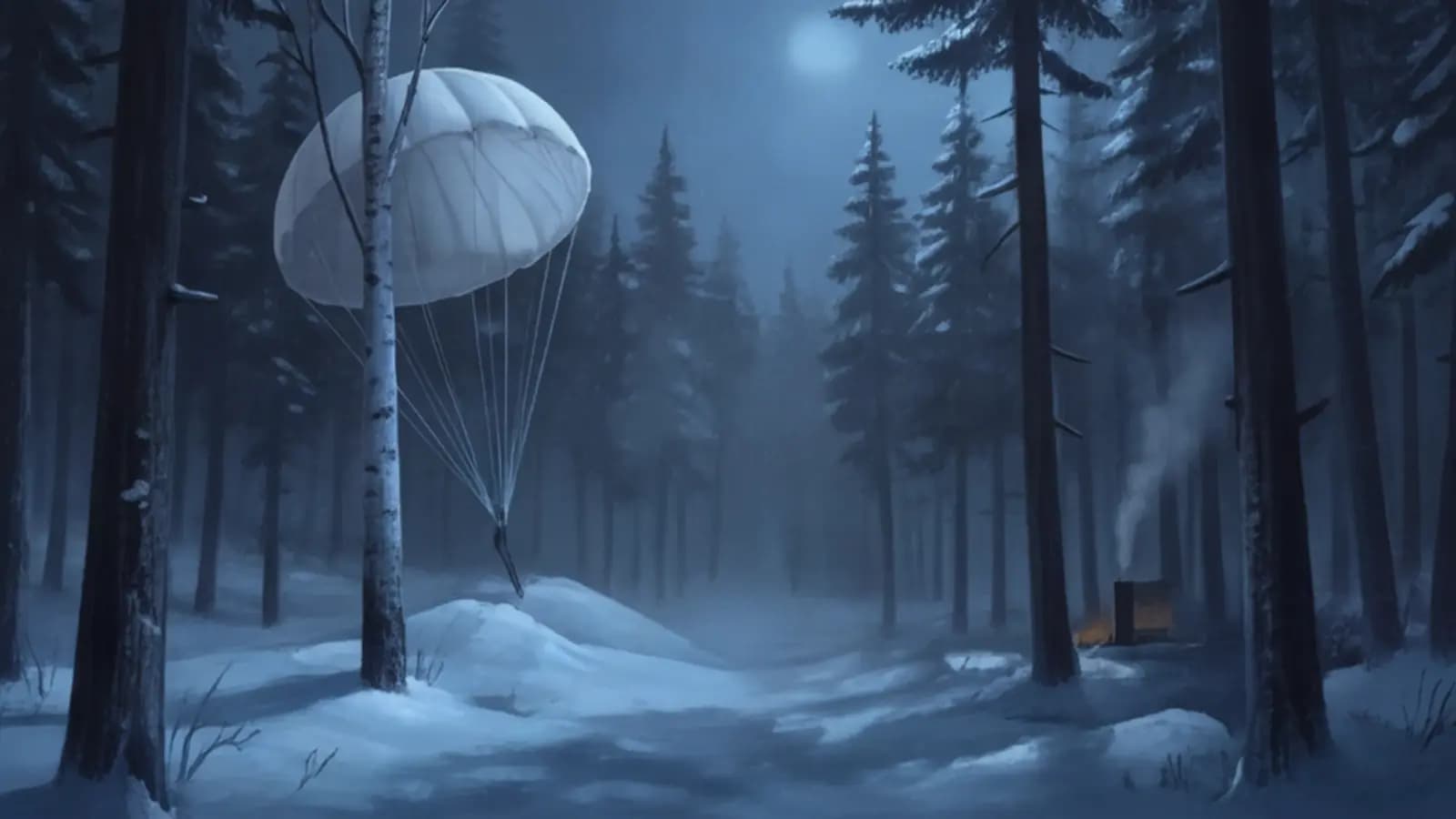
Far off through the trees, a dog starts barking. There are no dogs in this forest. Not friendly ones.
What will the hero do?
The scene goes on from the choice made.
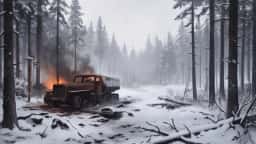
The Bryansk forest is a sea of pine, birch and frozen bog, roadless in winter. Partisan detachments live there in log dugouts sunk into the earth, while the villages around it are held by German troops and local police. Moscow sends explosives and newspapers by night drop. The detachment answers by radio, when it has a battery.
The hero is a radio operator parachuted in to link the Lesnaya detachment with the mainland and coordinate a strike on the railway bridge over the Desna before a German division moves to the front. But the commander was killed in an ambush yesterday. The detachment is leaderless and quarrelling, and beside it two hundred women, children and old people from burned villages live in dugouts and eat from the same stores.
The ambush was waiting for the commander. Someone in the forest is informing. Fyodor, the old forester, has been holding everyone together, and Nastya, a scout in a white smock, does not lower her rifle for strangers.
Choices change the plot: whom to trust, whom to feed, when to strike and what to tell Moscow. Night drops, ambushes and the bridge itself come down to a roll of the dice, and a bad roll can bring punishment on a village or cost a life.
It is a partisan story of pine resin, wet wool and dugout songs, of tenderness among the hunted.

First scene
Narrator
Far off through the trees, a dog starts barking. There are no dogs in this forest. Not friendly ones.
What will the hero do?
The scene goes on from the choice made.
18+War
Flanders, 1917.

War
Solomon Sea, 1942.

War
Virginia, 1862.

War
Warring States Japan.

War
Franconia, 1632.

War
Lorraine, 1944.

War
Tuscany, July 1944.

War
11 November 1918.

War
Ardennes, December 1944.

War
Verdun, 1916.

War
Malta, April 1942.

War
Copenhagen, September 1943.