First scene
The Gap
Narrator
You called it once already, clear as a bell. He didn’t hear. The officer of the watch is turning to look at both of you.
What will the hero do?
The scene goes on from the choice made.

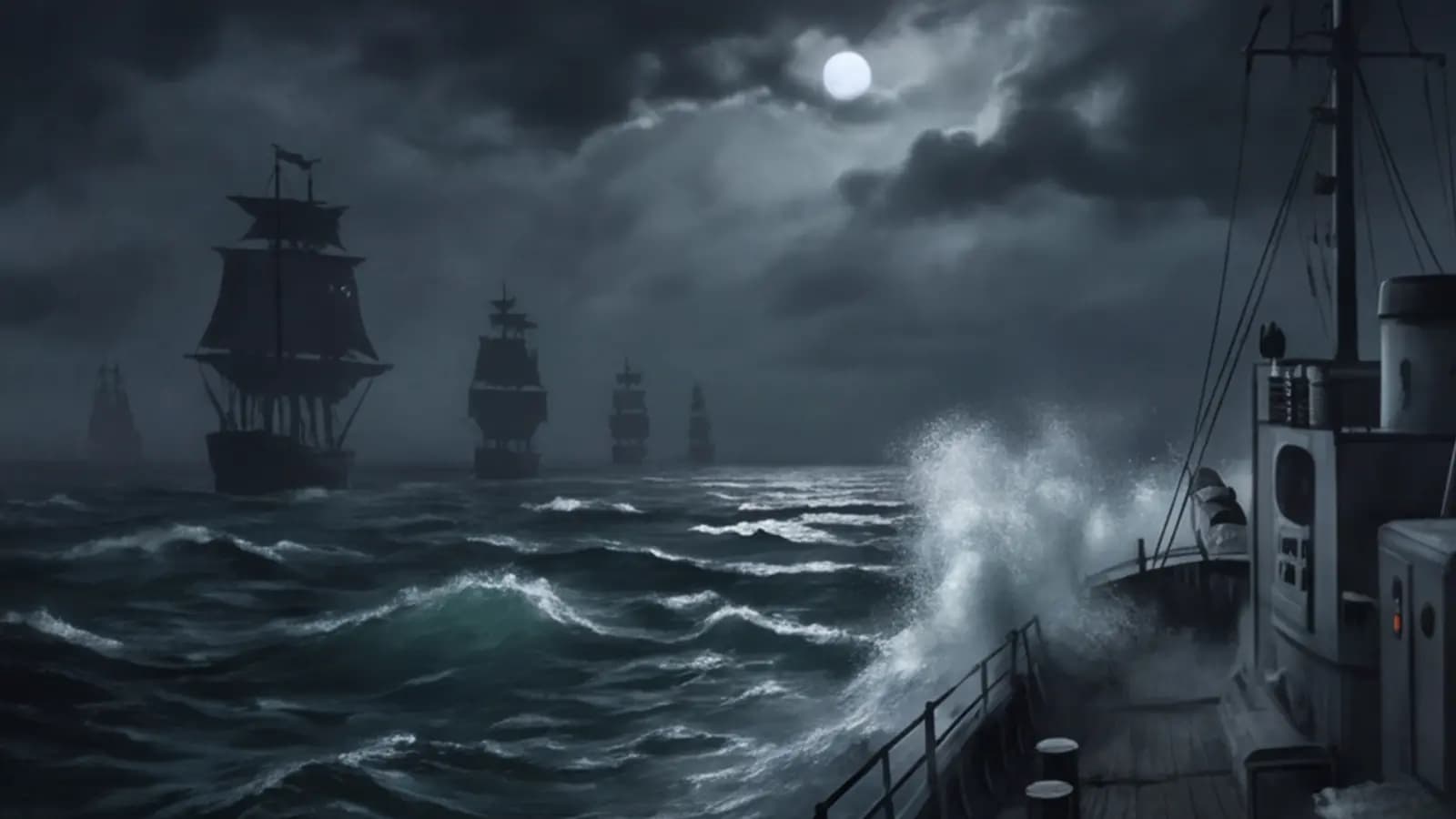
Convoy SC-58 is forty-one rusty merchantmen making seven knots from Sydney, Nova Scotia, to Liverpool, with four escorts to guard them. HMCS Fiddlehead is the smallest: a Flower-class corvette that rolls on wet grass, with flooded messdecks and a crew of fishermen, bank clerks and farm boys living on cocoa and four hours of sleep.
The hero is the ship’s ASDIC operator, the ears of a ship in a war fought by sound. The ping goes out, and the hero listens for the echo off a U-boat’s hull. In the gap in mid-ocean, where no aircraft can reach, the wolfpacks are gathering.
The captain, Gus, is going deaf from depth-charge concussion. Only the hero knows, because Gus leans on those ears to hear for him. Telling anyone would end his career. Keeping quiet could sink the convoy.
Choices change the plot: what to report, whom to trust on the bridge, when to speak and when to keep a secret. Hunts, storms and night attacks come down to a roll of the dice, and a bad roll can cost a contact, a merchantman or a messmate.
It is a sea novel of green water over the bow, cocoa and diesel, Maritime humour salted with grief, and seventeen days in which the U-boats need only one night.
First scene
Narrator
You called it once already, clear as a bell. He didn’t hear. The officer of the watch is turning to look at both of you.
What will the hero do?
The scene goes on from the choice made.
War
An ice-moon garrison will fire its mass driver at forty thousand people if headquarters stays silent for ninety hours.

War
A mercenary company sworn on magic salt opens its pay coffer and finds river stones.

War
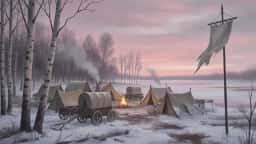
November 1812.

War
Winter 1942.
18+War
Flanders, 1917.

War
Solomon Sea, 1942.

War
Virginia, 1862.

War
Warring States Japan.

War
Franconia, 1632.

War
Lorraine, 1944.

War
Tuscany, July 1944.

War
11 November 1918.