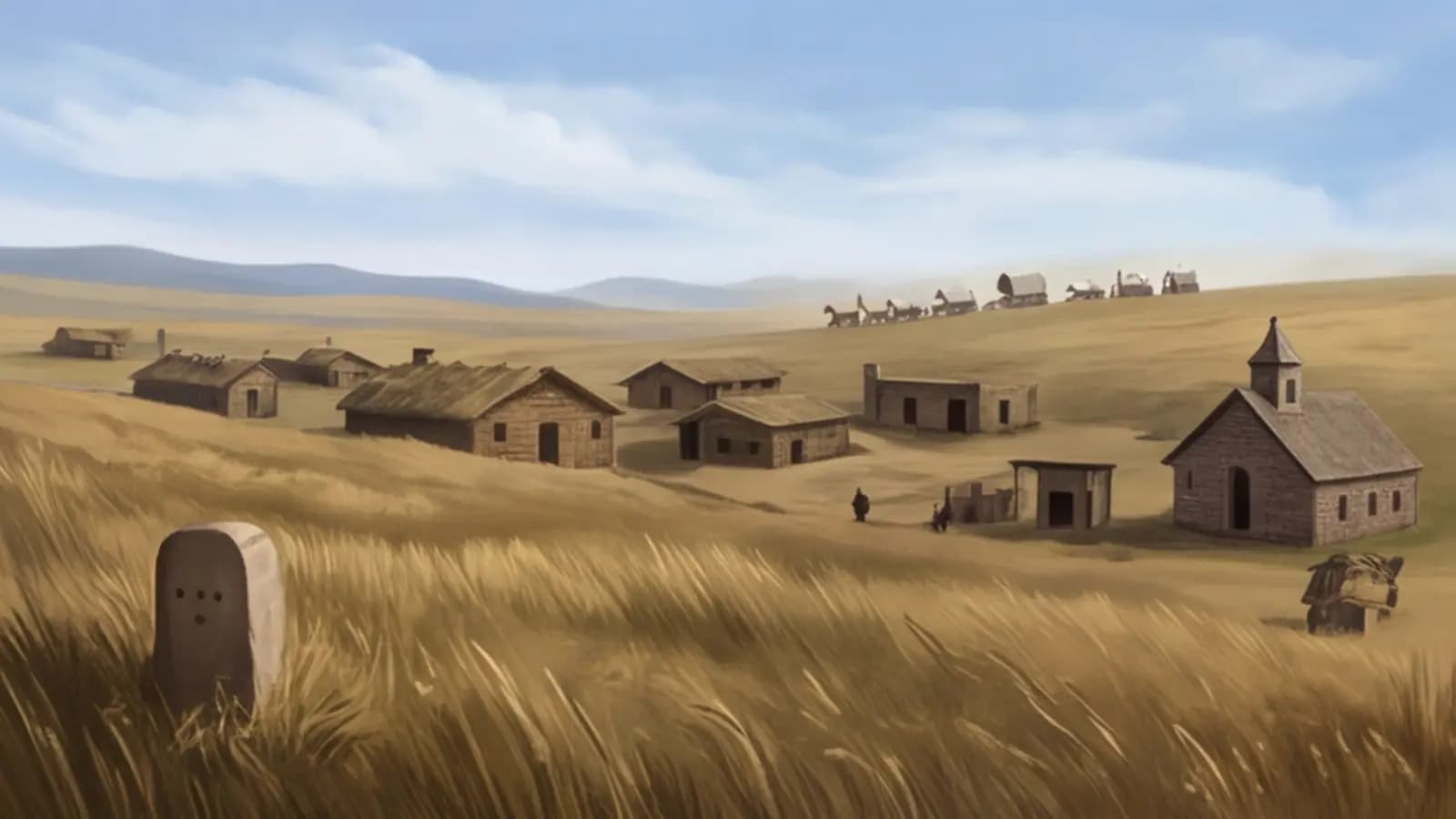
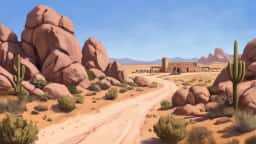
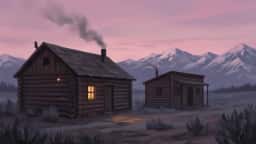
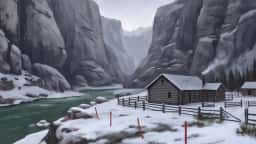
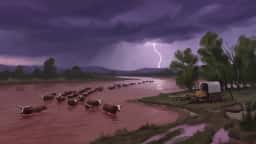
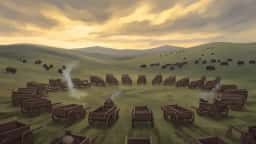
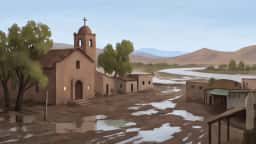
The hero is the town secretary, keeper of Jubilee’s plat and its land papers. This spring a land speculator, Colonel Ransom Hargis, rides in with surveyors and a paper claiming the town sits on railroad grant land he bought last year. The same week, a wagon train of two hundred more Exodusters arrives from Mississippi, expecting lots.
On the hill above town, Hargis’s surveyors measure from a stone a quarter mile off, and the old government stone at the town’s corner has fresh earth around its base. Below, Reverend Obadiah Pryor welcomes the new wagons with a hymn. The land office hearing is in forty days, and someone in Jubilee is not telling the whole truth about the town’s books.
Choices change the plot: what to dig up, whom to trust with the papers, when to argue and when to stand. Hearings, confrontations and long rides come down to a roll of the dice, and a bad roll can lose a deed or a friend.
It is a dignified, defiant and warm western about a free town fighting for the ground under its feet.