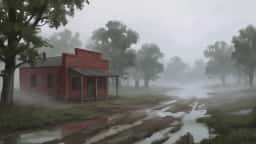
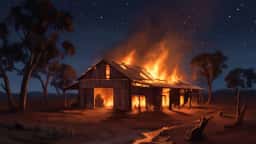
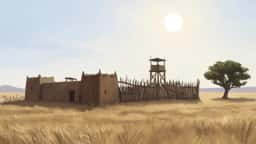
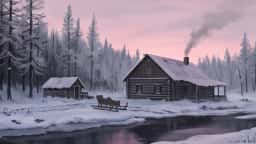
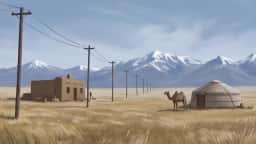
First scene
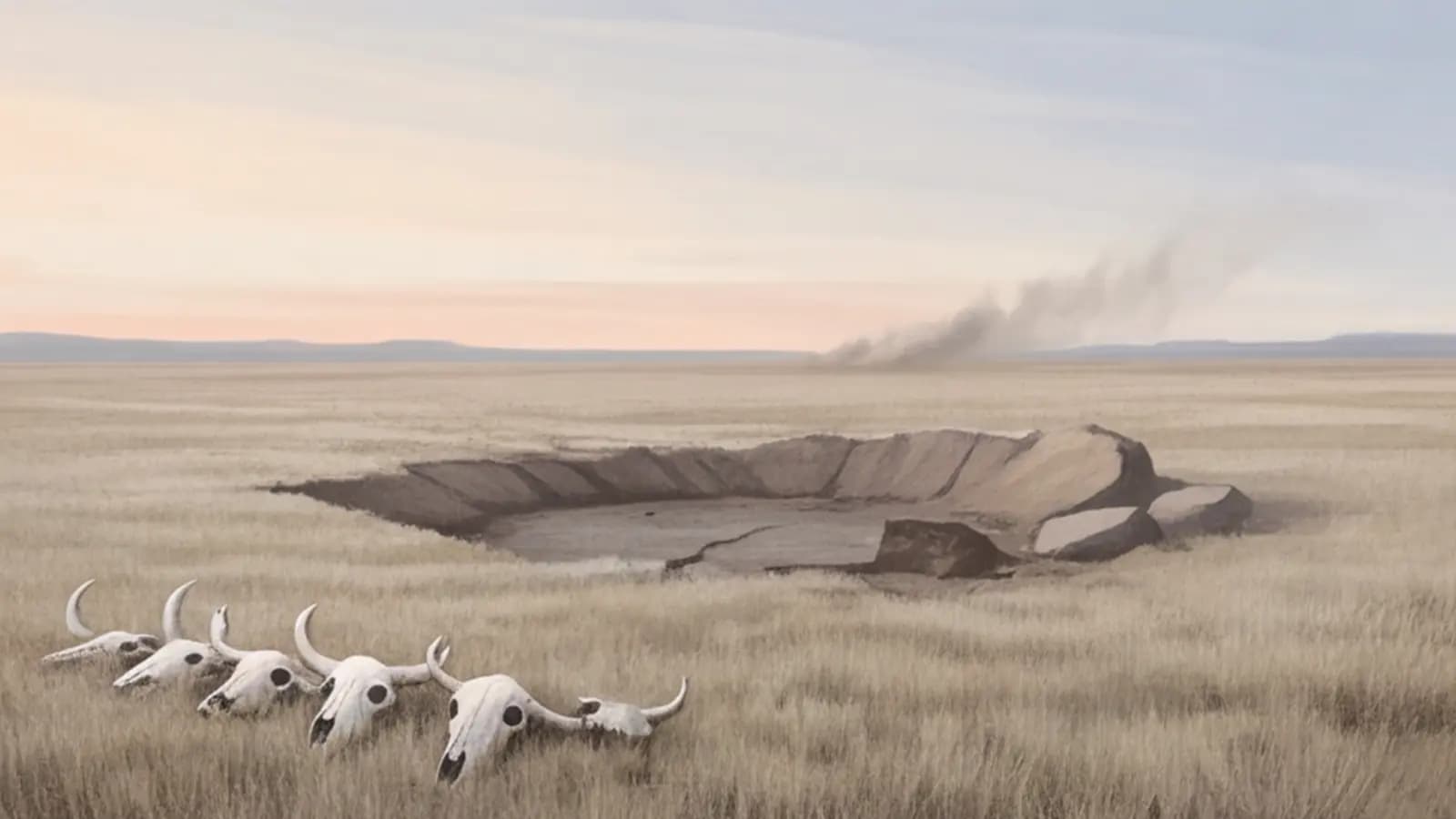
The Dry Tinaja
Narrator
The plume on the rim grows by a hair. The horses lift their heads to the smell of nothing at all.
What will the hero do?
The scene goes on from the choice made.
The poster is simple. Cyrus Strand, cattle king of the Canadian River, will pay five hundred dollars for Honora Gleeson alive and a thousand for her dead. The schoolteacher is accused of shooting his son.
The hero is the bounty hunter who caught her in a goatherd’s hut in New Mexico. Between them and the Strand headquarters lie two hundred miles of the Llano Estacado, grass so flat that a rider is the tallest thing in sight for a day. At best there is water for eleven days.
Isidro, the old Comanchero guide, knows the hidden springs, if he chooses to share them. Another hunter is on the trail, and he only wants the dead price. And Honora, chained to her saddle horn, keeps saying calmly that she did not do it, and that Strand knows exactly who did.
Choices change the plot: how long the chain stays on, which water to trust, whose story to believe. Shots, thirst and hard bargains come down to a roll of the dice, and a bad roll can cost a horse or a day.
It is a spare, sun-flayed western about a long ride, a prisoner who talks and mercy as a gamble.

First scene
Narrator
The plume on the rim grows by a hair. The horses lift their heads to the smell of nothing at all.
What will the hero do?
The scene goes on from the choice made.

Western
Arizona, 1881.

Western
Wyoming, 1892.

Western
Colorado, 1878.

Western
Spring, 1871.

Western
Red River, 1851.

Western
The borderlands, 1883.

Western
Sierra Nevada, 1866.

Western
Cherokee Nation, 1885.

Western
Queensland, 1891.

Western
Argentina, 1872.

Western
Siberia, 1911.

Western
Semirechye, 1923.