
PlayAI Stories
Sign in

Comparison

Games like Mystic Messenger: stories told through texts, chats and calls

Games like Mystic Messenger tell a story through a phone: messages that arrive in real time, group chats, characters who wait for a reply. Six of them follow, from otome games to a text adventure on a strange moon, and then a romance in prose that is written as it is played.

Mystic Messenger and the games on this list are products of other companies. PlayAIStories is not connected with them; the facts rest on public sources checked on 14 November 2026.

Updated

First scene

Null Match

Narrator

Behind the control console, the engineer in the grey coverall has gone very pale. Idris. His taped glasses slide down his nose, and his hands are moving fast over the screen, logging something, or erasing it.

Idris

It’s a display error. Probably. Technically. Please don’t look at me like that.

What will the hero do?

Start the story

The scene goes on from the choice made.
Play a story like this

Ready stories from the library. The first scene opens right away, no account needed.

Six games like Mystic Messenger

  • Mr Love: Queen’s Choice

    Papergames, 2017 in China and 2019 in English, for phones. An otome game where four love interests with superpowers text, chat and call, while the heroine builds her career as a media producer.

    Play: Sugar Moon over AsakusaPlay this story
  • Love and Deepspace

    Papergames, 2024, for Android and iOS, published outside China by Infold Games. An otome game for phones and the second of the Mr. Love series.

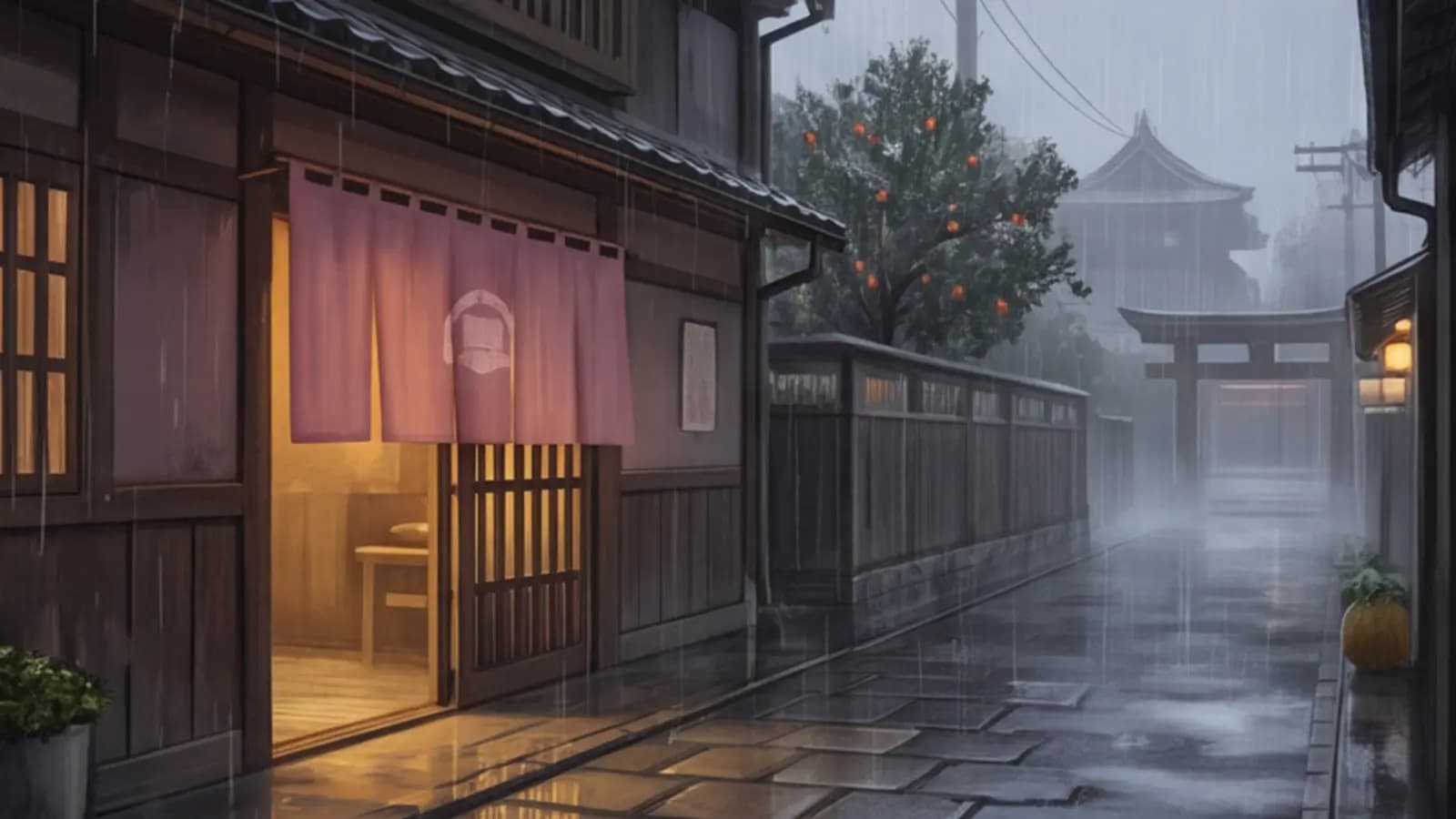
    Play: Null MatchPlay this story
  • Tears of Themis

    miHoYo, 2020, for Android and iOS, a detective otome game. Cases are worked with one of the male leads, and most chapters end in a trial where evidence must prove the client innocent.

    Play: The Sixty-Hour VaultPlay this story
  • Lifeline

    Three Minute Games, 2015, written by Dave Justus. The player texts with Taylor, the survivor of a crash on an unknown moon, picking one of two replies. Taylor answers in real time, is sometimes busy, and a wrong choice can be fatal.

    Play: Nine Apple TreesPlay this story
  • Emily Is Away

    Kyle Seeley, 2015, released free. A relationship with a girl named Emily over five years, from the last year of high school to the last year of college, told entirely in a 2000s-style instant messenger.

    Play: White Nights on SaimaaPlay this story
  • A Normal Lost Phone

    Accidental Queens, 2017, on computers, phones and Switch. The player finds a stranger’s phone and puts its owner’s life together from the messages on it; the story is about identity.

    Play: The Lake Keeps What It LovesPlay this story

Mystic Messenger and PlayAIStories side by side

PlayAIStoriesMystic Messenger
What it isA story game in prose, written scene by scene as it is playedAn otome “storytelling messenger game” from Cheritz, 2016
TimeNo timers; a story goes on whenever the player returnsPlays in real time: chats arrive through the day, 11 days per route
How the player actsChoices under each scene, or a move written freelyReplies in chatrooms and messages, which win hearts with characters
RomanceRomance is one of the genres; intimate scenes stay off the pageA route with each love interest
Look and soundProse first; scene pictures, voiceover and music on paid plansChat screens, character art and phone calls
Where it runsIn the browser, on a computer or a phoneAndroid and iOS

A romance from one line

Ideas:

Where PlayAIStories fits and where it does not

It fits a reader who came to Mystic Messenger for the people: a cast with secrets and a romance that has to be earned. A love story here can start from any line, and the reply that matters can be typed in the heroine’s own words.

It is not a phone in the hand. There is no chatroom, no message at three in the morning and no clock to keep. The story is prose and waits between scenes for as long as needed. More on the genre is on the otome games page.

How a story is played

A story opens with a scene: a few paragraphs of prose with characters who speak in their own voices. Each scene ends with several choices, and there is always room to write a move of one’s own instead.

Risky moves are settled by a die. Before the choice the game shows the odds in plain words, from “almost certain” to “next to no chance”, and what helps or hinders: a skill, a trade, how much a character trusts the hero. A failed roll turns the story instead of ending it. The die can be switched off for a story.

Catalog stories are free to play to the end, with an account or without one. In an own story every option under a scene costs the same number of keys, set by the plan, and on an account a move typed in one’s own words costs keys too. No choice is sold separately, and there are no ads.

The story keeps a record of what happened. Characters remember what was said to them, and a promise made in the first chapter can come due in the third.

Questions

Does the story run in real time?
No. Nothing arrives on a schedule and nothing is missed. A scene is written when the story goes on, and keys come with the plan every month.
Are there romance stories?
Yes. Romance is one of the genres, otome is one of its themes, and a story can start from any premise. Intimate scenes stay off the page.
Is it free?
Catalog stories are free to play in the browser, with or without an account, and nothing is downloaded. An account gets keys every month, the free plan included. Keys pay for an own story and its scenes, cheaper on higher plans, and paid plans open scene pictures, voiceover and music for keys. The pricing page has the numbers.